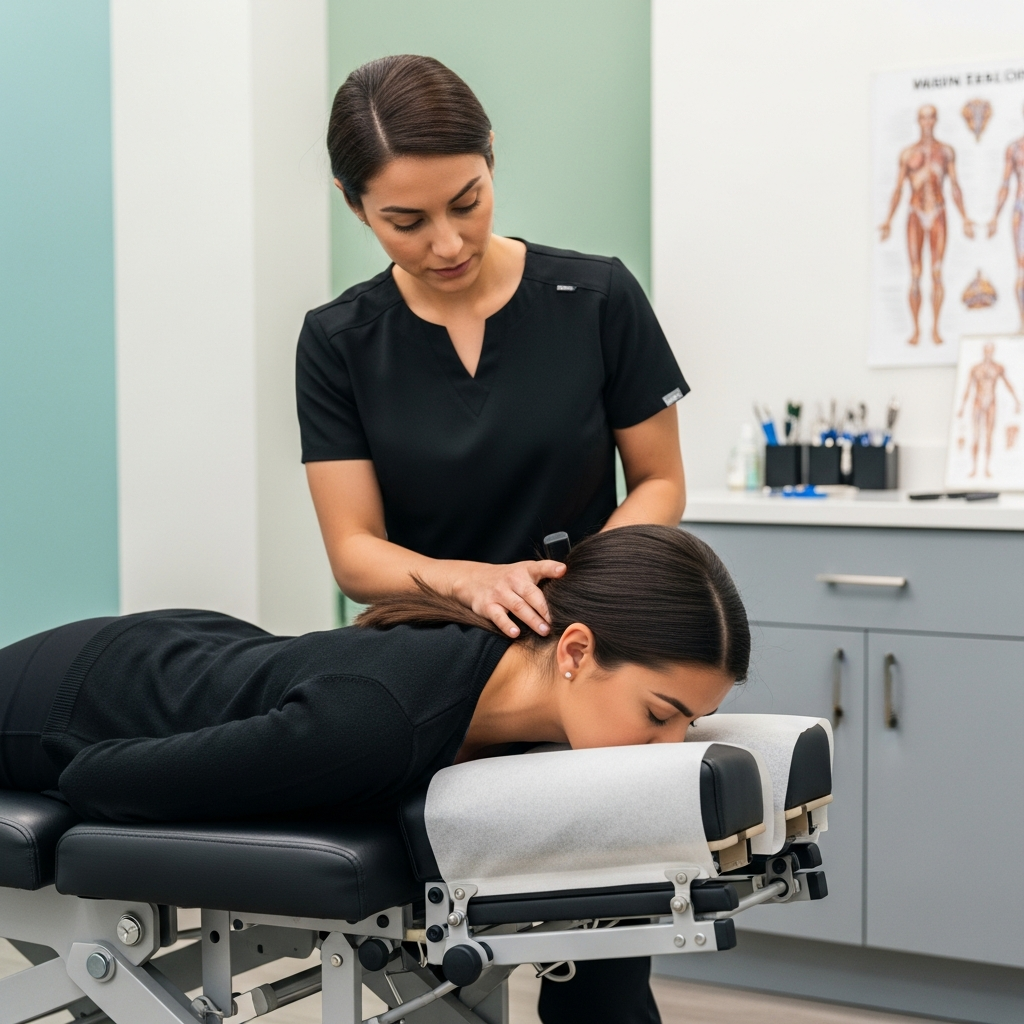
Car Wreck Injury Rehab Services in Las Colinas

You’re sitting at a red light, mentally running through your grocery list, when WHAM – the world suddenly shifts sideways. Your coffee goes flying, your neck snaps back, and in that split second, everything changes. The other driver is apologetic, insurance cards get exchanged, and everyone seems okay… but three days later? That’s when the real fun begins.
Your neck feels like it’s held together with rusty bolts. Your lower back screams every time you bend over to pick up the TV remote. And don’t even get me started on trying to sleep – it’s like playing Tetris with pillows, searching for that one position that doesn’t make you wince.
Sound familiar? You’re definitely not alone.
Here in Las Colinas, our tree-lined streets and busy intersections see their fair share of fender-benders and more serious accidents. Maybe yours happened on Belt Line Road during rush hour, or perhaps someone ran that notoriously tricky light at MacArthur and 635. Doesn’t really matter where – what matters is that you’re dealing with the aftermath, and your body is sending you some pretty clear signals that all is not well.
Here’s the thing about car accident injuries… they’re sneaky little troublemakers. You might walk away from the scene feeling like a champion, adrenaline masking what’s really going on underneath. But adrenaline is like that friend who tells you everything’s fine when you’ve clearly had too much wine – not always the most reliable narrator.
The truth is, your body just experienced something it was never designed to handle. Modern cars are engineering marvels at protecting us, sure, but even in a relatively minor collision, your muscles, joints, and soft tissues can get knocked around like groceries in the back of a pickup truck hitting a pothole.
Whiplash isn’t just some insurance company buzzword – it’s your neck saying “Hey, remember when we used to turn left without feeling like we’re 90 years old?” And that nagging lower back pain? That’s not just from sleeping wrong or your questionable choice to move that couch by yourself last weekend.
But here’s where things get interesting (and honestly, a bit maddening). You call your regular doctor, and they might prescribe some pain medication, tell you to “take it easy,” and send you on your way. Your insurance adjuster wants to close your claim as quickly as possible. Meanwhile, you’re wondering if this is just… it. If this is your new normal.
Actually, that reminds me of something one of our patients told me last month. She said the hardest part wasn’t the pain itself – it was the uncertainty. Not knowing if she’d ever feel like herself again, if she’d be able to play with her grandkids without wincing, or if those headaches were going to be her constant companion from now on.
That uncertainty? It’s absolutely exhausting.
The good news – and yes, there is genuinely good news – is that car wreck injuries, even the stubborn ones that like to overstay their welcome, respond incredibly well to the right kind of rehabilitation. Not just any rehab, mind you. We’re talking about specialized care that understands exactly what your body went through in that collision and knows how to guide it back to feeling human again.
In Las Colinas, you’ve got access to some pretty remarkable rehabilitation services that go way beyond the standard “here’s a heating pad and some exercises” approach. We’re talking about comprehensive care that looks at your whole body as a connected system, not just the part that hurts the loudest.
Over the next few minutes, we’re going to explore what quality car wreck injury rehab actually looks like in our area. You’ll discover the different types of treatments that can make a real difference (some might surprise you), learn how to navigate the insurance maze without losing your sanity, and get the inside scoop on what to look for when choosing a rehabilitation team.
Because here’s what I really want you to know – that collision doesn’t get to write the rest of your story. You do.
When Your Body Becomes a Crime Scene
After a car accident, your body basically becomes its own little crime scene – and I don’t mean that dramatically. Think about it: there’s evidence everywhere of what happened, some of it obvious (hello, whiplash), some of it hidden deep in tissues that won’t speak up for weeks.
Your muscles, joints, and nerves are like witnesses to the crash. Some are screaming their testimony immediately, while others… well, they’re the strong, silent types who’ll wait months before admitting they saw anything. That delayed pain in your shoulder? Your neck deciding to lock up three weeks later? Classic delayed witnesses.
This is why car accident rehab isn’t just about treating what hurts right now – it’s about conducting a thorough investigation of your entire body.
The Hidden Players in Your Recovery
Here’s something that might surprise you: the worst injury isn’t always where you feel the most pain. Your body is sneaky like that.
Take whiplash, for instance. Everyone knows about whiplash, right? But what most people don’t realize is that it’s not just your neck throwing a tantrum. When your head whips forward and back (or side to side), it’s like a ripple effect through your entire spine. Your lower back might compensate, your shoulders might tighten up to “protect” your neck, and suddenly you’re walking like a robot because everything’s connected to everything else.
And then there are the soft tissue injuries – the pulled muscles, strained ligaments, and irritated nerves that don’t show up on X-rays but feel like they’re staging a revolt in your body. These are often the troublemakers that stick around long after the visible bruises fade.
Why “Just Rest” Doesn’t Cut It Anymore
Remember when your grandmother would tell you to “just rest” when something hurt? Bless her heart, but modern rehab science has moved way past that advice – though don’t get me wrong, rest still has its place.
The thing is, your body after a car accident is like a house that’s been shaken by an earthquake. Sure, the foundation might look okay, but there could be hairline cracks in the walls that’ll cause problems down the road if you don’t address them properly. Just sitting on the couch hoping everything settles back into place? That’s… optimistic.
Active rehabilitation – the right kind of movement, guided by professionals who know what they’re doing – actually helps your tissues heal stronger and more completely. It’s counterintuitive, I know. When something hurts, your instinct is to baby it. But controlled movement increases blood flow, prevents scar tissue from forming in problematic ways, and keeps your nervous system from getting too paranoid about moving.
The Multi-Disciplinary Approach (Or: Why You Need a Team)
Car accident rehab is rarely a one-person job. Think of it like renovating a house – you wouldn’t hire just one contractor to handle everything from plumbing to electrical to interior design, right?
Physical therapists are like your general contractors – they assess the overall damage and create a plan to get your body moving properly again. They’re the ones teaching your muscles to remember how to fire in the right sequence and helping you move without that post-accident stiffness.
Massage therapists work on the soft tissue damage that’s often invisible but incredibly disruptive. They’re like… well, like skilled detectives working through the crime scene of your muscles, finding knots and adhesions that are causing problems you might not even connect to the accident.
Chiropractors focus on spinal alignment and joint function – because when your spine gets rattled in a crash, it affects everything else. They’re addressing the structural issues that might be throwing your whole system off balance.
Sometimes you’ll also work with occupational therapists (especially if your daily activities are affected) or even psychologists, because – let’s be honest – car accidents can mess with your head as much as your body.
The Timeline Reality Check
Here’s something nobody really prepares you for: rehab after a car accident isn’t linear. You don’t just get a little better each day until you’re magically back to normal.
Some days you’ll feel great and think you’re almost done, then you’ll wake up the next morning feeling like you got hit by… well, a car. Again. It’s frustrating, and it’s completely normal. Your body is working through layers of trauma – physical and otherwise – and healing happens in its own mysterious timeline.
Most people start seeing real improvements within the first few weeks, but full recovery? That can take months, sometimes longer for more complex cases. The key is staying consistent with treatment even when progress feels slow.
Finding the Right Rehab Team (And Red Flags to Avoid)
You know what’s frustrating? Walking into a clinic where they treat you like case number 47 instead of… well, you. Here’s what to look for when you’re shopping around Las Colinas for your rehab team.
First – and this might sound obvious, but you’d be surprised – make sure they actually specialize in auto accident injuries. Your neighbor’s chiropractor who’s great with weekend warrior back pain? Probably not your best bet for whiplash recovery. Car accident injuries are their own beast entirely.
Ask about their approach to soft tissue injuries specifically. If they start throwing around generic terms without explaining how they’ll address the unique biomechanics of what happens when your body suddenly stops but your organs keep moving… keep looking. The good ones will explain things in a way that makes sense, not like they’re reading from a textbook.
Here’s a insider tip: pay attention to how they schedule follow-ups. Quality rehab centers don’t just book you for arbitrary weekly visits. They should be tracking specific metrics – range of motion, pain levels, functional improvements. If someone’s pushing a “standard 12-week program” without even examining you first? Run.
What Your Insurance Actually Covers (The Real Story)
Let’s talk money, because nobody else will give it to you straight. Texas requires Personal Injury Protection (PIP) coverage, but here’s where it gets tricky – the minimum is only $2,500. That sounds like a lot until you realize a decent MRI runs about $1,200, and quality physical therapy can easily hit $150 per session.
Most people don’t realize you can often negotiate payment plans directly with rehab centers. The key is being upfront about your financial situation before treatment starts, not after you’re already three weeks in and panicking about bills.
Your health insurance might pick up where PIP leaves off, but – and this is crucial – make sure your rehab center is in-network before you start treatment. I’ve seen too many people get stuck with massive out-of-network bills because they didn’t ask the right questions upfront.
Pro tip: if you’re working with an attorney, they sometimes have relationships with rehab centers that will work on a lien basis. Just… be really careful about this. Make sure you understand exactly what you’re agreeing to.
Creating Your Recovery Timeline (Realistic Expectations)
Here’s something nobody wants to hear but everyone needs to: recovery isn’t linear. You’ll have good days and absolutely terrible days. Sometimes you’ll feel like you’re moving backward, and that’s completely normal.
Most soft tissue injuries from car accidents follow a predictable pattern, though. The first 72 hours are about managing acute inflammation – ice, gentle movement, maybe some light stretching. Don’t be a hero and try to “power through” during this phase.
Weeks 2-6 are typically when you’ll start seeing real progress with proper treatment. This is when quality physical therapy really shines. You should be noticing improvements in range of motion, decreased morning stiffness, and the ability to sleep through the night again.
The 6-12 week mark? This is where a lot of people either plateau or make significant breakthroughs. It really depends on how consistently you’ve been with your treatment plan and – I hate to say it – how severe your initial injuries were.
Staying Motivated When Progress Stalls
Let’s be honest about something: there will be days when you question whether any of this rehab stuff is actually working. Maybe you wake up feeling worse than you did the week before, or you’re frustrated because your friend Sarah recovered from her accident in half the time.
Here’s what helps: keep a simple daily log. Nothing fancy – just rate your pain on a scale of 1-10 and note one thing you could do today that you couldn’t do last week. Could you turn your head to check your blind spot? Sleep on your side again? Carry groceries without wincing?
These small wins matter more than you think. Recovery isn’t just about being pain-free – it’s about getting your life back, piece by piece.
And if you’re really struggling with motivation, consider finding a support group. Las Colinas has several chronic pain support groups that meet monthly, and many car accident survivors find comfort in talking with others who actually understand what they’re going through.
Sometimes the best therapy happens when you’re just talking to someone who gets it.
The Insurance Maze That Nobody Warns You About
Let’s be honest – dealing with insurance after a car accident feels like trying to solve a Rubik’s cube while blindfolded. You’re already dealing with pain, maybe missing work, and then… boom. The adjuster calls asking for the fifteenth piece of documentation you’ve never heard of.
Here’s what actually helps: Get everything in writing. I mean *everything*. When the insurance rep says “oh, we’ll cover that,” ask them to email you the confirmation. Keep a folder (digital or physical – whatever works for you) with every single document. It sounds obsessive, but trust me… you’ll thank yourself later when they mysteriously “don’t have record” of approving your physical therapy sessions.
And here’s something most people don’t realize – you can ask for a case manager. Actually ask for one. These folks can cut through the red tape faster than you trying to navigate the phone tree for the hundredth time.
When Your Body Betrays Your Timeline
You know that moment when you think you’re getting better, and then you wake up feeling like you got hit by a truck all over again? Yeah, that’s not just you. Recovery isn’t a straight line – it’s more like a drunk person trying to walk down a hallway, bouncing off walls.
The hardest part? Everyone (including yourself) expects you to be “back to normal” by some arbitrary date. Your boss starts making comments. Your family thinks you’re milking it. Even you start wondering if you’re just being dramatic.
But here’s the thing – soft tissue injuries are sneaky. They don’t show up on X-rays like a broken bone would. Your whiplash doesn’t care about your work deadlines or that vacation you planned. Your brain fog from the concussion doesn’t check your calendar before showing up.
The solution isn’t to push through it (though I know that’s your instinct). It’s to work with your rehab team to set realistic expectations. Ask them straight up: “What should I actually expect over the next month?” Not the best-case scenario, not the worst-case… the real deal.
The Money Stress Nobody Talks About
This is the elephant in the room that everyone tiptoes around. You’re not working full capacity – or maybe not at all. The bills keep coming. Physical therapy sessions add up. Meanwhile, you’re supposed to focus on healing?
It’s like trying to meditate while your house is on fire.
Here’s what actually works: Talk to the financial counselor at your rehab clinic. Most places have them, and they know tricks you don’t. They can help you understand what your insurance actually covers (spoiler alert: it’s probably more confusing than you think). Some clinics offer payment plans that don’t require you to sell a kidney.
Also – and this might sound obvious but stress does weird things to our brains – keep track of all your accident-related expenses. That mileage to appointments, the heating pad you bought, even the ergonomic pillow. Your attorney might be able to include these in your settlement.
When Progress Feels Like Going Backwards
Some days you’ll feel great. You’ll think, “Finally! I’m turning the corner.” Then the next day, you can barely get out of bed. It’s enough to make anyone question their sanity.
Your therapist might explain this as part of the process, but when you’re living it… it just feels like failure. Like you’re not trying hard enough or doing something wrong.
Actually, those setback days often happen right before a breakthrough. Think of it like your muscles saying, “Wait, we’re changing everything we know how to do.” Your nervous system is recalibrating. It’s messy work.
The trick is tracking the trend, not the daily ups and downs. Keep a simple pain scale journal – just a number from 1-10 each day. When you look back over two weeks, you might be surprised to see the overall improvement, even with those rough days mixed in.
Building Your Real Support Network
Your family means well, but sometimes they just don’t get it. Your coworkers are sympathetic… to a point. What you need are people who actually understand what you’re going through.
Most rehab clinics have informal support networks – other patients dealing with similar injuries. Don’t underestimate the power of talking to someone who actually knows what it feels like when your neck seizes up during a presentation.
And be selective about who gets to comment on your recovery. Some people are helpers. Others are… well, not so much.
What to Expect During Your Recovery Timeline
Let’s be honest – nobody wants to hear that healing takes time, especially when you’re dealing with pain and just want your life back to normal. But here’s the thing about car accident injuries: they’re sneaky little troublemakers that don’t follow our preferred schedules.
Most people think they’ll bounce back in a couple weeks, maybe a month tops. The reality? Soft tissue injuries typically need 6-12 weeks to heal properly, and that’s assuming everything goes smoothly. Whiplash can linger for months if not addressed correctly. And those nagging headaches you’ve been getting? They might stick around longer than your insurance adjuster would like to believe.
Your body isn’t a machine you can just restart after a crash. Think of it more like a garden that needs time, attention, and the right conditions to flourish again. Some days will feel like progress – you’ll wake up with less stiffness, turn your head without wincing. Other days? Well, other days you might feel like you’re back at square one. That’s completely normal, even though it’s frustrating as hell.
The First Month: Foundation Building
During those initial weeks, expect to feel a bit like you’re in physical therapy bootcamp. Your therapist will likely focus on reducing inflammation, restoring basic range of motion, and teaching you exercises that might seem almost too simple. “Really? I’m paying for someone to tell me to move my neck side to side?”
Trust the process. These seemingly basic movements are rebuilding your body’s trust in itself. After trauma, your muscles and joints become protective – they tense up, guard against movement, create compensatory patterns that can cause problems down the road.
You’ll probably have appointments 2-3 times per week initially. Yes, that feels like a lot when you’re trying to juggle work, insurance calls, and everything else. But front-loading your recovery now saves you from dragging this out for months later.
Months Two and Three: The Real Work Begins
This is where things get interesting – and sometimes more challenging. The acute pain might be settling down, but now you’re addressing the deeper issues. Muscle imbalances, joint restrictions, movement patterns that got wonky after the accident.
Your therapist might introduce more challenging exercises, manual therapy techniques, or specialized treatments. Don’t be surprised if you feel sore after sessions – that’s often a sign that restricted tissues are finally getting the attention they need. Though honestly, there’s good sore and bad sore, and your team will help you understand the difference.
Some people hit what feels like a plateau around week 6-8. Progress slows down, improvements feel smaller. This doesn’t mean treatment isn’t working – it means you’re in the phase where your body is making subtle but important adjustments.
Working with Insurance and Documentation
Let’s talk about the elephant in the room – insurance. Most auto insurance policies cover medical treatment for car accident injuries, but they love their paperwork and documentation. Your rehab team understands this dance and will typically handle the necessary reports and progress notes.
Keep track of everything: appointment dates, how you’re feeling day-to-day, activities that are still difficult. This information helps your treatment team adjust your plan and provides important documentation if you need it for insurance or legal purposes.
When to Expect Full Recovery
Here’s where I wish I could give you a definitive answer, but recovery timelines vary dramatically. Some people feel back to normal in 6-8 weeks. Others need several months, especially if there were multiple areas of injury or if you had pre-existing conditions.
Complete recovery might mean different things to different people. For some, it’s returning to their pre-accident activity level. For others, it’s learning to manage residual symptoms effectively. Your treatment team will work with you to define realistic goals based on your specific situation.
Planning Your Next Steps
As you near the end of formal treatment, your therapist will typically provide a home exercise program to maintain your progress. Think of this as your ongoing maintenance plan – like getting regular oil changes to keep your car running smoothly.
Don’t be surprised if you need occasional “tune-ups” down the road. Maybe that shoulder acts up during stressful periods, or your neck gets tight after long days at the computer. Having a relationship with a rehab team you trust means you can address these issues before they become bigger problems.
Remember, getting better isn’t always linear, and that’s okay. Your body has been through something traumatic, and healing – real healing – takes patience with yourself.
Moving Forward After Your Accident
Here’s what I want you to know – and I really mean this – recovering from a car accident isn’t just about healing your body. It’s about reclaiming your life, piece by piece. The bruises fade, sure, but sometimes the real work happens in those quiet moments when you’re wondering if you’ll ever feel like yourself again.
The thing about Las Colinas is that it’s got this incredible network of people who actually *get* what you’re going through. Physical therapists who’ve seen hundreds of whiplash cases but still treat yours like it’s the only one that matters. Massage therapists who understand that your shoulders aren’t just tight – they’re holding onto the memory of impact. Chiropractors who know that every spine tells a different story.
You might be sitting there thinking, “But where do I even start?” I hear that a lot. After an accident, everything feels overwhelming. Insurance calls, car repairs, work complications… and now you’re supposed to navigate healthcare too? It’s like trying to solve a puzzle when half the pieces are still missing.
That’s exactly why having the right team matters so much. When you find professionals who communicate with each other – your physical therapist talking to your chiropractor, your massage therapist understanding what your doctor prescribed – it stops feeling like you’re managing a dozen different relationships and starts feeling like you’ve got actual support.
And here’s something people don’t always talk about: recovery isn’t linear. Some days you’ll feel amazing, like you’ve turned a corner. Other days? Well, other days might remind you why you need help in the first place. That’s completely normal, by the way. Your body is doing complex work – rebuilding, rebalancing, remembering how to move without guarding against pain.
The Las Colinas area has this unique advantage of being close to everything without feeling rushed. You’re not fighting downtown Dallas traffic to get to appointments. You’re not stuck in some isolated suburb with limited options. You’ve got choices, and you’ve got convenience, which honestly… when you’re already dealing with pain and fatigue, those things matter more than you might think.
You Don’t Have to Figure This Out Alone
Look, I know reaching out for help can feel vulnerable. Maybe you’re used to handling things yourself, or maybe you’re worried about cost, or time, or whether treatment will actually make a difference. Those are all valid concerns – you’re not being dramatic or overthinking anything.
But here’s the thing about recovery: it’s so much easier when you’re not doing it alone. The right rehabilitation team doesn’t just treat your symptoms; they help you understand what’s happening, set realistic expectations, and celebrate those small victories along the way.
If you’re reading this and thinking, “Maybe I should finally make that call,” trust that instinct. Whether it’s been weeks since your accident or months, whether you’re dealing with obvious injuries or those nagging issues that everyone keeps telling you should be “better by now” – you deserve care that meets you exactly where you are.
Your recovery matters. You matter. And getting the support you need? That’s not giving up or admitting weakness. That’s choosing to invest in feeling better, moving better, and getting back to the life you want to be living.