Ridglea Car Wreck Doctor for Auto Accident Injuries

You’re sitting at that red light on Camp Bowie, probably checking your phone or thinking about what’s for dinner, when BAM – your whole world shifts forward and your neck snaps back like a whip. The guy behind you was scrolling through Instagram instead of watching traffic, and now you’re both pulled over on the side of the road, exchanging insurance information while your shoulder starts to throb.
“I’m fine,” you tell the officer. “Just a little sore.”
But here’s the thing – you’re not fine. Not really. And you won’t know just how not-fine you are until tomorrow morning when you can barely turn your head to check your blind spot.
Sound familiar? If you’ve lived in Ridglea (or anywhere in Fort Worth, really) for more than a hot minute, you’ve probably got your own version of this story. Maybe it was that fender-bender in the Kroger parking lot, or someone running that yellow-turned-red at the intersection by TCU. Car accidents are practically a rite of passage around here – we’ve got more traffic than our roads were designed for, construction zones that seem to multiply overnight, and let’s be honest… some pretty distracted drivers.
But here’s what nobody tells you about those “minor” accidents: your body doesn’t care that the damage to your bumper looks minimal. Your neck doesn’t know the difference between a 15-mph collision and a 45-mph one when it comes to whiplash. Your back doesn’t get the memo that it was “just a little tap.”
I’ve talked to hundreds of people who’ve walked away from accidents thinking they dodged a bullet, only to wake up the next day feeling like they got hit by a freight train instead of a Honda Civic. The adrenaline masks everything at first – it’s your body’s way of getting you through the immediate crisis. But once that wears off? That’s when reality sets in.
And that’s where things get… complicated. Your regular doctor might give you some ibuprofen and tell you to “take it easy for a few days.” Your insurance company is breathing down your neck, asking if you really need treatment. You’re missing work, your spouse is getting tired of hearing you complain about your headaches, and you’re starting to wonder if maybe you are just being dramatic.
You’re not being dramatic. What you need is someone who actually understands auto accident injuries – the weird ones that don’t show up on regular X-rays, the ones that make you feel crazy because they hurt in ways that are hard to explain. You need someone who knows that whiplash isn’t just a neck problem (it can cause headaches, dizziness, even problems with your jaw). Someone who gets that your lower back pain might actually be connected to how you braced yourself right before impact.
Most importantly? You need someone who’s dealt with the insurance maze before, who knows what documentation you’ll need, and who can actually help you get better instead of just managing your pain.
Look, I’m not going to sugarcoat this – finding the right care after an auto accident can feel overwhelming. There are so many specialists, so many treatment options, and honestly? A lot of conflicting information out there. Some people will tell you to lawyer up immediately. Others say just tough it out. Some swear by chiropractors, others insist you need an orthopedic surgeon.
The truth is somewhere in the middle… and it depends entirely on your specific situation.
That’s why I want to walk you through what you actually need to know about finding quality auto accident care right here in Ridglea. We’ll talk about the types of injuries that are common but often missed, what to look for in a provider (hint: it’s not just about proximity to your house), and how to navigate the insurance piece without losing your mind.
We’ll also cover some of the red flags – because unfortunately, not everyone who hangs out a shingle after “auto accident specialist” actually knows what they’re doing. And we’ll discuss timing, because when it comes to these injuries, waiting too long can actually make everything harder to treat.
Because here’s what I know: you didn’t ask for this. You were just trying to get home, or pick up groceries, or get to work. But now that it’s happened, you deserve to feel like yourself again.
Why Your Body Plays Hide and Seek After a Crash
Here’s something that throws people off every time – you can walk away from a car accident feeling perfectly fine, maybe a little shaken up, then wake up three days later feeling like you got hit by… well, a car. Your body’s basically playing the world’s worst game of hide and seek with pain signals.
Think of it like this: when you’re in an accident, your body floods with adrenaline and endorphins – nature’s own pain-blocking cocktail. It’s incredibly effective at masking what’s actually happening to your muscles, joints, and soft tissues. You might feel invincible for hours or even days, but those chemicals eventually wear off… and that’s when reality comes knocking.
This delayed response isn’t your imagination – it’s textbook physiology. Your nervous system prioritizes immediate survival over sending accurate damage reports. Pretty clever, actually, except when it tricks you into thinking you’re fine when you’re not.
The Invisible Injuries That Pack the Biggest Punch
Car accidents create forces your body just wasn’t designed to handle. Even at relatively low speeds – we’re talking 15-20 mph – your head can whip forward and backward with enough force to strain muscles and ligaments in ways that normal daily movement never would.
Whiplash gets all the attention (probably because it has such a catchy name), but it’s really just one piece of a much bigger puzzle. When your car suddenly stops, your body keeps moving – Newton’s first law in action. Your spine gets compressed, twisted, and stretched in milliseconds. Muscles that normally work in harmony suddenly have to act like emergency brakes.
But here’s what’s really tricky – soft tissue injuries don’t show up on X-rays. You could have significant muscle strains, ligament sprains, or disc problems that are completely invisible to standard imaging. It’s like trying to see a bruise through clothing… the damage is there, but you need the right tools to spot it.
When “Minor” Accidents Create Major Problems
Insurance companies love to throw around terms like “minor fender-bender” or “low-impact collision.” Don’t let that fool you. Your body doesn’t care about property damage assessments – it only knows about the forces that just ran through your spine and joints.
I’ve seen patients from accidents where the cars barely had scratches but the people inside developed chronic pain that lasted months. The human body is simultaneously incredibly resilient and surprisingly fragile. We can survive massive trauma, but sometimes a seemingly gentle impact hits us just wrong…
Think of your spine like a stack of carefully balanced blocks. It doesn’t take hurricane-force winds to knock them over – sometimes a gentle push at exactly the wrong angle is all it takes. Your vertebrae, discs, and the intricate network of muscles holding everything together can get thrown off by forces that don’t even deploy your airbags.
Why Time Isn’t Always a Healer
There’s this persistent myth that if you just wait long enough, accident-related pain will resolve on its own. Sometimes? Sure. But more often, untreated injuries develop compensation patterns – your body starts moving differently to avoid pain, which creates new problems.
It’s like favoring a sprained ankle. You might protect the ankle, but now your knee, hip, and lower back are working overtime to compensate. Before you know it, what started as a simple injury becomes a complex web of dysfunction.
The Ridglea Advantage: Location Matters More Than You Think
Being in Ridglea means you’re dealing with a specific set of traffic patterns and accident types. The mix of residential streets, busy thoroughfares like Camp Bowie, and highway access creates its own unique collision dynamics. Local doctors who understand these patterns – who’ve treated hundreds of accidents from the same intersections and highway on-ramps – bring something valuable to the table.
They know that accidents on certain stretches tend to create specific injury patterns. They understand how Fort Worth traffic flows affect the types of crashes that happen. It’s like having a translator who speaks the local dialect of car accident injuries.
This isn’t just medical care – it’s medical care that gets the context of where and how your accident happened.
Getting the Care You Actually Need (Not Just What Insurance Wants to Pay For)
Here’s what most people don’t realize – and honestly, what some doctors won’t tell you straight up. Insurance companies have one goal after an auto accident: get you to say you’re “fine” as quickly as possible. They’re not evil, they’re just… well, they’re businesses.
That’s why you need to be strategic about your first appointment. Don’t downplay your symptoms because you think they’re “not that bad.” That stiff neck? The headache that comes and goes? The way your lower back feels “weird” when you get out of bed? Document everything. Your doctor can’t treat what they don’t know about.
I tell patients this all the time – pain after a car accident is like an iceberg. What you feel immediately is just the tip. The real damage often shows up days or even weeks later as inflammation sets in and your body stops producing those natural “shock” hormones.
The 48-Hour Rule Most People Ignore
You’ve probably heard you should see a doctor within 24 hours of an accident. That’s good advice, but here’s the thing nobody mentions – the most telling symptoms often don’t appear until 48-72 hours later.
Keep a simple pain diary on your phone. Rate your pain from 1-10 every morning and evening. Note when it’s worse (sitting? standing? turning your head?). This isn’t just helpful for your doctor – it’s crucial documentation if your case gets complicated later.
And please, don’t tough it out with over-the-counter pain meds for weeks. Masking pain isn’t the same as healing the underlying injury. You’re not being “strong” – you’re potentially making things worse.
Questions That Will Change Your Treatment Experience
Most patients walk into their first appointment and just… wait to be asked questions. Don’t do that. Come prepared with specifics
“Doctor, I’m having trouble sleeping because of neck pain – it’s worst when I try to turn left. Is this something that could get worse if I don’t treat it now?” That’s the kind of question that gets attention.
Ask about your treatment timeline. Not because you’re impatient, but because understanding the healing process helps you make better decisions about work, activities, and follow-up care.
Here’s a big one: “What red flags should I watch for at home?” Some post-accident symptoms – like increasing headaches or numbness – need immediate attention. Your doctor should give you a clear list of when to call or come back in.
The Documentation Game (It Matters More Than You Think)
I hate that this is necessary, but… you need to think like someone might question your injuries later. Take photos of your damaged car from multiple angles. Keep all your medical receipts. Save those text messages you sent your spouse about feeling awful.
Most importantly, follow through with every appointment your doctor recommends. I know it’s tempting to skip physical therapy when you’re feeling better, but gaps in treatment can be used against you if there are insurance disputes later.
Actually, that reminds me – never say you’re “100% better” unless you truly are. If you’re 85% better, say that. Honesty protects you and helps your doctor understand your actual progress.
Working With Physical Therapy (The Secret Sauce)
Here’s something most people don’t realize: your car wreck doctor and physical therapist should be talking to each other. If they’re not coordinating your care, speak up. Ask your doctor to send notes to PT, and make sure your physical therapist is updating your doctor on your progress.
Don’t just go through the motions in PT either. These people are movement experts – pick their brains. Ask why you’re doing specific exercises, what you should feel, what you shouldn’t feel. The patients who engage with the process heal faster and more completely.
When Treatment Isn’t Working
Sometimes, despite everyone’s best efforts, you’re not getting better as expected. This isn’t failure – it happens. But don’t suffer in silence for months.
If you’re six weeks into treatment and still having significant pain, it’s time for a frank conversation. Maybe you need imaging you didn’t need initially. Maybe there’s a referral to a specialist that makes sense now. Maybe your treatment plan needs adjusting.
The key is speaking up before you get frustrated and give up entirely. Your doctor wants you to heal properly – help them help you by being honest about what’s working and what isn’t.
When Insurance Companies Play Hard to Get
Let’s be real – dealing with insurance after a car accident can feel like trying to solve a Rubik’s cube blindfolded. You’re already hurting, stressed about your car, maybe missing work… and then your insurance adjuster starts asking questions like they’re investigating a conspiracy.
Here’s what actually happens: they’ll often push for you to see *their* preferred doctors or suggest that your injuries “aren’t that serious.” It’s not personal – it’s just business for them. But here’s the thing – you have the right to choose your own doctor, and that includes specialists who understand auto accident injuries.
The solution? Document everything. Take photos of your car, get a police report, and – this is crucial – see a doctor who specializes in auto accident injuries within the first few days. Even if you feel “fine.” Because that soreness in your neck? That headache that won’t quit? Those could be signs of something more serious developing.
The “I Feel Fine” Trap
This one gets almost everyone. You walk away from the accident, adrenaline pumping, thinking you dodged a bullet. Maybe you even declined medical attention at the scene (we’ve all been there).
But here’s what your body doesn’t tell you in those first few hours – or even days. Soft tissue injuries are sneaky little things. They creep up on you like that friend who always shows up to parties uninvited. One day you’re fine, the next day you can barely turn your head to check your blind spot.
Whiplash, for instance, can take 24-72 hours to really make itself known. Your muscles and ligaments need time to swell and stiffen. By then, if you haven’t seen a doctor, insurance companies might question whether your injuries are really related to the accident.
The fix is simple but goes against every “tough it out” instinct you have: see a doctor anyway. Even if you feel fine. Especially if you feel fine. A good car wreck doctor will do a thorough examination, document any potential issues, and create a baseline for your health. Think of it as insurance for your insurance claim.
Finding the Right Doctor When You’re Already Overwhelmed
When you’re dealing with the aftermath of an accident, the last thing you want to do is research doctors. You’ve got insurance calls to make, a car to replace or repair, maybe kids to pick up from school… and now you need to find a doctor who actually understands auto accident injuries?
Here’s where a lot of people stumble. They either wait too long (hoping they’ll feel better), or they end up at an urgent care clinic where the doctor spends five minutes with them and sends them home with ibuprofen. Not exactly what you need when you’re dealing with potential whiplash or soft tissue damage.
The secret sauce? Look for doctors who specifically mention auto accident injuries on their website or in their practice description. These aren’t your run-of-the-mill family doctors – they understand the unique nature of car accident trauma. They know how to document injuries properly for insurance purposes, and they’re familiar with the delayed onset of many auto accident symptoms.
The Paperwork Nightmare
Oh, the paperwork. Medical forms, insurance forms, police reports, work excuse notes… it’s like someone decided to turn your injury into a part-time administrative job. And when you’re dealing with headaches, neck pain, or back issues, sitting at a desk filling out forms is pretty much the last thing your body wants to do.
Most people either put it off (bad idea) or rush through it and make mistakes (also bad idea). The solution isn’t glamorous, but it works: create a simple system. Keep all your accident-related documents in one folder – physical or digital, whatever works for you. Set aside 15-20 minutes every few days to tackle the paperwork instead of trying to do it all at once.
And here’s a pro tip from someone who’s seen this play out countless times – take photos of everything. Your damaged car, your injuries (if visible), medical documents, insurance cards… everything. Store them in your phone. You’ll thank yourself later when you need to reference something and don’t have to dig through a pile of papers.
When Everyone Becomes a Medical Expert
Suddenly, your neighbor Bob who once sprained his ankle becomes an authority on your whiplash. Your coworker insists you just need a good massage. Your mother-in-law suggests essential oils. Everyone means well, but when you’re in pain and trying to figure out the best path forward, all this “helpful” advice can actually make things more confusing.
Trust your doctor. Trust the process. And it’s okay to politely tell Bob that you’re working with a professional.
What to Expect During Your Recovery Timeline
Here’s the thing about car accident recovery – it’s not like a broken bone where you get a cast for six weeks and you’re done. Your body’s been through something traumatic, and honestly? It needs time to sort itself out.
Most people feel pretty rough for the first few days. That’s completely normal. Your muscles are basically throwing a tantrum, your joints are confused, and your nervous system is still on high alert. Don’t be surprised if you wake up feeling worse than when you went to bed – that’s your body’s way of saying “hey, we need to address this.”
The first week or two, you’re mostly focused on managing pain and inflammation. We’re not trying to set any speed records here. Think of it like tending a garden after a storm – you don’t immediately start planting new flowers. You clear the debris first.
By week three or four, that’s when we typically start seeing some real improvement. Your acute symptoms should be settling down, and we can begin more active treatment approaches. But here’s where people get frustrated… recovery isn’t a straight line up. You’ll have good days and not-so-good days. That’s not you failing – that’s just how healing works.
The Treatment Process: What Actually Happens
Your first visit is mostly detective work. We’re piecing together what happened to your body during the accident, where you’re hurting, and what’s actually causing those symptoms. Sometimes the obvious stuff isn’t the real problem – that shoulder pain might actually be coming from your neck.
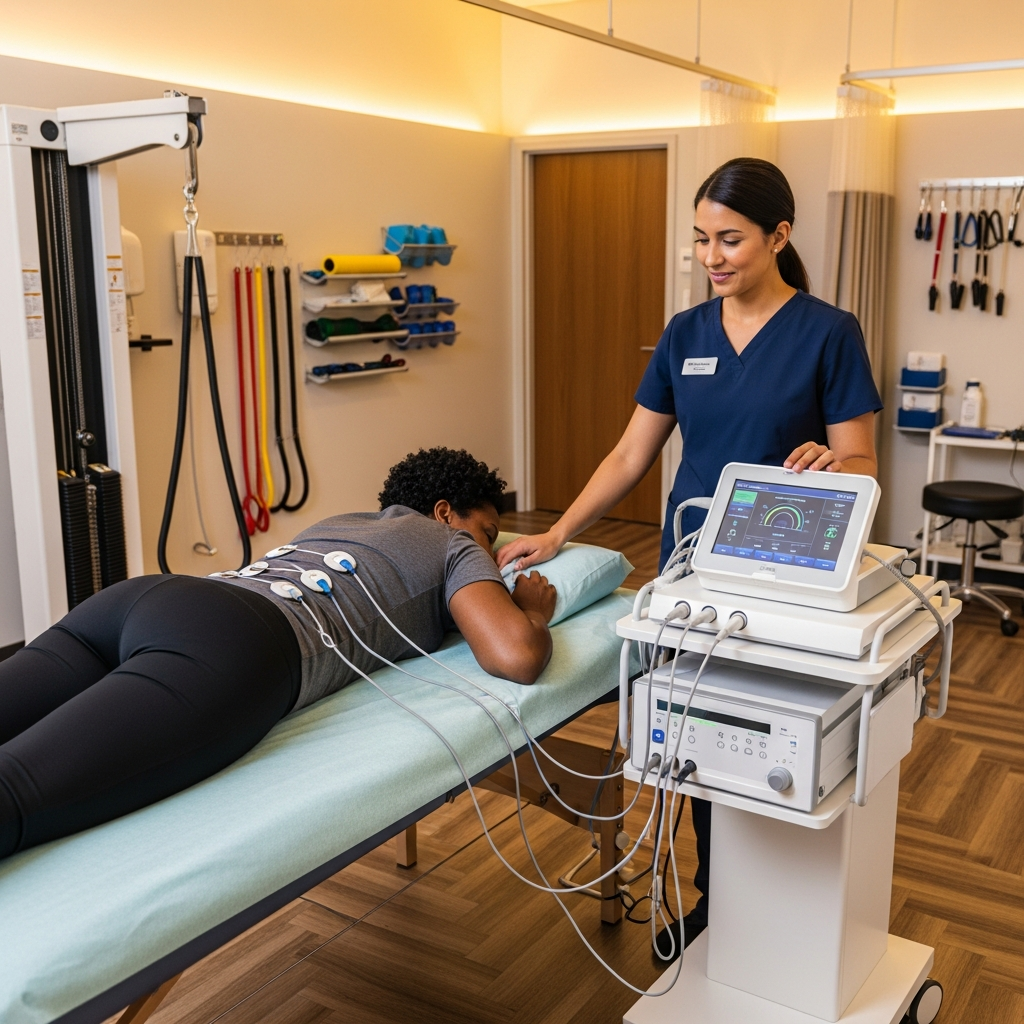
Treatment usually starts pretty gentle. We’re not going to throw you onto a treatment table and start cracking everything on day one (despite what you might see in movies). Ice, heat, gentle mobilization, maybe some light stretching. We’re coaxing your body back to normal, not forcing it.
As things improve, we’ll gradually add more active treatments. Exercise therapy, manual manipulation, maybe some specialized techniques depending on what you need. The key word here is “gradually” – your tissues need time to adapt.
Most people start feeling significantly better within 6-8 weeks, but that doesn’t mean you’re completely done. Full recovery can take several months, especially if you had more serious injuries or if you’re dealing with something like whiplash.
Navigating Insurance and Documentation
Let’s talk about the elephant in the room – dealing with insurance companies. They’re going to ask questions. Lots of them. They want to know if you’re really hurt, if the treatment is necessary, if you’re improving fast enough for their liking.
This is why documentation matters so much. Every visit, every symptom, every improvement (or setback) – it all needs to be recorded. Not because we don’t trust you, but because insurance companies… well, they have trust issues.
Your insurance might approve a certain number of visits upfront, then want progress reports before approving more. That’s pretty standard. Don’t take it personally if they seem skeptical – it’s just how the system works, unfortunately.
Red Flags: When to Be Concerned
Most car accident injuries heal well with proper treatment, but there are some warning signs you shouldn’t ignore. If you’re experiencing severe headaches that aren’t improving, numbness or tingling that’s getting worse, or pain that’s radiating into your arms or legs in new patterns – that’s when you need to speak up immediately.
Memory issues, dizziness, or changes in vision after a car accident? Don’t wait to see if they resolve on their own. These could indicate more serious injuries that need specialized attention.
Setting Realistic Goals
I’ll be straight with you – the goal isn’t to feel exactly like you did before the accident. Your body’s been through something significant, and sometimes there are lasting changes. But that doesn’t mean you can’t feel great again.
What we’re aiming for is getting you back to all the activities you love, without pain limiting your life. Maybe your neck feels a little stiff on rainy days now, or you need to be more mindful about your posture. That’s not failure – that’s just your new normal, and it can still be a really good normal.
The key is staying consistent with treatment, following through with home exercises (yes, even when you don’t feel like it), and being patient with the process. Your body wants to heal – sometimes we just need to give it the right conditions and enough time to do its job.
You know what? After everything we’ve talked about here, I hope one thing is crystal clear – you don’t have to figure this out alone.
Those first few days after an accident… they’re overwhelming, aren’t they? Your mind’s spinning with insurance calls, car repairs, maybe missed work days. And somewhere in the middle of all that chaos, you’re supposed to also navigate finding the right medical care? It’s honestly a lot for anyone to handle.
But here’s what I’ve seen time and again – people who get proper care early on, they just do better. Not just physically, though that’s huge. They sleep better knowing someone’s actually listening to their concerns. They feel more confident dealing with insurance because they have documentation and a treatment plan. They get back to feeling like themselves again instead of carrying around this nagging worry that something’s not quite right.
The thing about car accident injuries is they’re sneaky. That stiff neck today? Could turn into chronic headaches next month if it’s not addressed properly. Those twinges in your lower back? Your body’s trying to tell you something important. And honestly, you deserve to have someone who actually understands accident injuries take a real look at what’s going on.
I think sometimes we get so caught up in being tough, in not making a big deal out of things, that we forget – taking care of yourself isn’t being dramatic. It’s being smart. You wouldn’t ignore a strange noise in your car’s engine, right? Your body deserves that same level of attention and care.
What really matters is finding someone who gets it. Someone who won’t rush through your appointment or brush off your concerns. Someone who understands that every accident is different, every person heals differently, and cookie-cutter approaches just don’t work when it comes to getting you back to feeling like yourself again.
Maybe you’re sitting there thinking, “I should probably get checked out, but…” – and honestly, that “but” is usually just fear talking. Fear of the unknown, of more complications, of being told something you don’t want to hear. I get that completely. But you know what’s usually scarier than the unknown? Living with pain that could have been prevented, or dealing with problems down the road that could have been caught early.
The doctors who specialize in auto accident injuries – they see this stuff every single day. They’re not going to think you’re overreacting or wasting their time. This is literally what they do, and they want to help you feel better. That’s not just their job, it’s often their calling.
So if you’re reading this and something’s nagging at you – maybe it’s pain, maybe it’s just this feeling that you should get checked out – trust that instinct. Your body’s trying to tell you something, and you deserve to have someone listen.
Don’t let another week slip by wondering “what if.” You’ve already been through enough with the accident itself. Getting the right care now? That’s not adding another stressor to your plate – it’s actually taking one off. Because once you know what you’re dealing with and have a plan to address it, everything else starts feeling more manageable.
You’re worth the time and effort it takes to heal properly. And you don’t have to do it alone.