6 Differences Between Emergency Rooms and Personal Injury Clinics
You’re sitting in your car, heart still racing from the fender-bender that just happened three blocks from your house. Nothing major – just a love tap from someone who was apparently more interested in their phone than the red light. You feel… well, you’re not sure how you feel. There’s this weird twinge in your neck, and your back feels a bit off, but you’re walking around fine. The other driver keeps asking if you’re okay, and honestly? You keep saying yes because you think you are.
But here’s where it gets tricky.
That adrenaline coursing through your system right now? It’s basically nature’s own painkiller. Your body is so focused on the “fight or flight” response that it’s masking what might be some real issues brewing underneath. And this is where a lot of people make a decision that can affect them for months – or even years – down the road.
Do you head straight to the emergency room, just to be safe? Or do you go home, ice whatever feels sore, and see how you feel tomorrow?
Here’s what most people don’t realize: there’s actually a third option that might be the smartest choice of all. Personal injury clinics – and no, I’m not talking about those sketchy places with the flashy billboards. I’m talking about legitimate medical facilities that specialize in exactly this type of situation.
The thing is, emergency rooms and personal injury clinics are designed for completely different purposes. It’s like comparing a fire truck to a precision repair shop – both are valuable, both have their place, but you wouldn’t call the fire department to fix your watch, right?
Emergency rooms are incredible at what they do. They’re designed to handle life-threatening situations, major trauma, and urgent medical crises. When someone comes in after a serious accident, they can mobilize an entire team in minutes. They’ll rule out fractures, internal bleeding, head injuries – all the scary stuff that needs immediate attention. But here’s the catch… once they’ve determined you’re not in immediate danger, their job is essentially done.
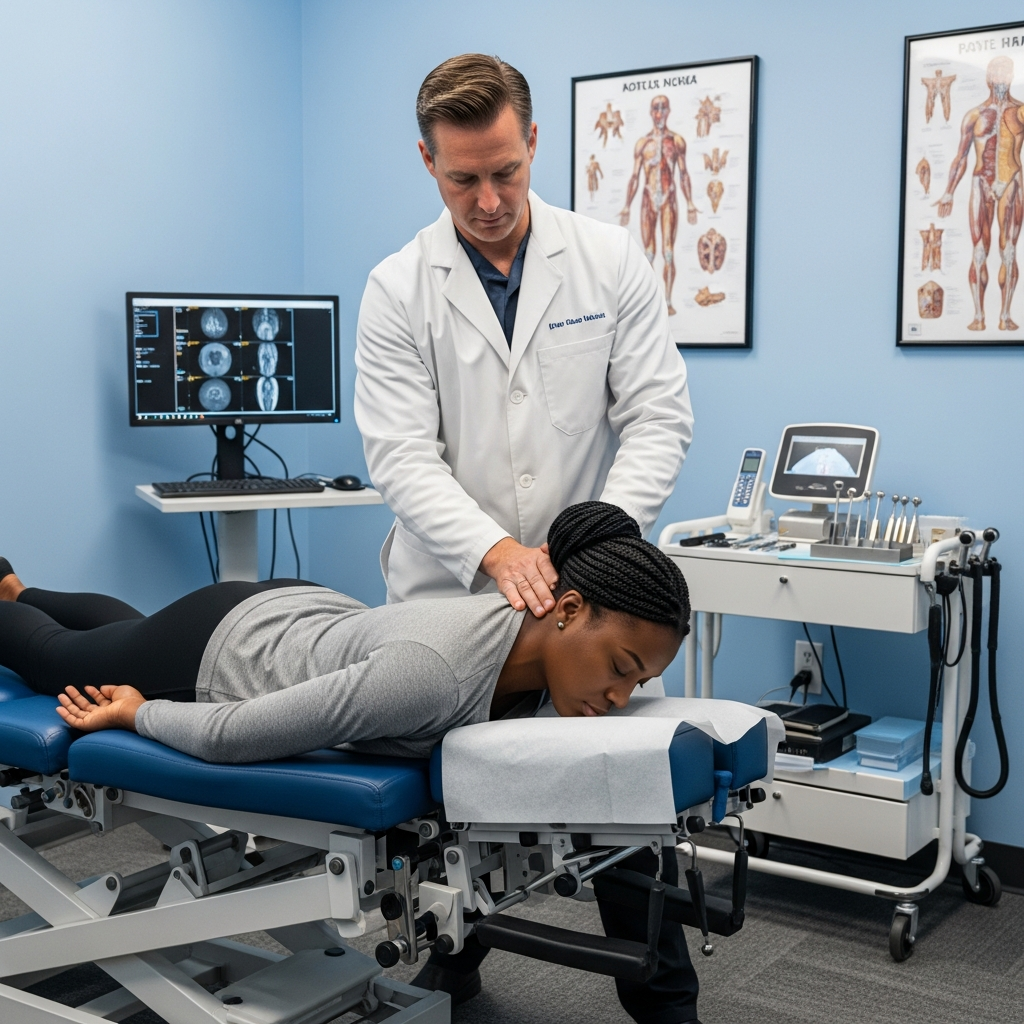
Personal injury clinics, on the other hand, are built around a completely different philosophy. They’re focused on the subtle injuries that emergency rooms often miss – the kind that don’t show up dramatically on initial X-rays but can turn your life upside down if left untreated. We’re talking about soft tissue damage, ligament strains, disc problems that won’t be obvious for days or weeks…
And here’s something that might surprise you: the timing of when you seek treatment can actually impact your recovery – and potentially your insurance claim or legal case if one develops. I’m not being dramatic here; it’s just the reality of how these situations unfold.
Think about it this way. If you wait three weeks to see someone about that nagging neck pain, and it turns out to be something that could have been treated more effectively with immediate intervention, well… that’s three weeks of your life you can’t get back. Three weeks of sleeping poorly, moving carefully, maybe missing workouts or activities you enjoy.
But beyond the medical side of things, there are practical differences that can affect everything from how much you pay out of pocket to how thoroughly your condition gets documented. Some people end up bouncing between different types of care because they didn’t understand these differences upfront – and that’s frustrating for everyone involved.
Look, I get it. When you’re dealing with the aftermath of any kind of accident – whether it’s a car crash, a slip and fall, or even a sports injury – the last thing you want to think about is navigating different types of medical facilities. You just want someone to tell you you’re going to be okay and help you get there.
That’s exactly why understanding these differences matters. Because the choice you make in those first few hours and days can set the tone for your entire recovery process.
So let’s break this down together. We’ll look at six key differences between emergency rooms and personal injury clinics – differences in their approach to diagnosis, treatment philosophy, cost structure, documentation practices, and more. By the time we’re done, you’ll know exactly what questions to ask and what to expect from each option.
Because honestly? The more you know going in, the better equipped you’ll be to get the care that’s actually right for your situation.
When Medical Care Gets Complicated
You’re driving down the highway, minding your own business, when suddenly – boom. That texting teenager just turned your Tuesday into a nightmare. Your neck hurts, your head’s pounding, and you’re sitting there wondering: where exactly am I supposed to go for help?
It’s one of those moments where the healthcare system shows just how… well, unnecessarily confusing it can be. You’ve got options, but they’re not exactly laid out in plain English anywhere.
Think of it like this – if your body were a house, different types of damage need different types of repair crews. You wouldn’t call the same person to fix a burst pipe and rewire your electrical system, right? Same principle applies here.
The Emergency Room: Your Medical 911
Emergency rooms are basically the fire department of healthcare. They’re designed for one thing: keeping you alive right now. That car accident? If you’re bleeding, can’t move something that should move, or feel like you might pass out, the ER is absolutely where you need to be.
But here’s where it gets interesting (and honestly, a bit frustrating). ERs are incredible at crisis management – they’ll stop the bleeding, make sure your brain isn’t swelling, check that nothing’s broken in a life-threatening way. What they’re not great at? The aftermath.
It’s like having a team of paramedics show up to your flooded house. They’ll pump out the water and make sure the structure won’t collapse on you tonight. But don’t expect them to help you pick out new carpet or deal with the insurance paperwork. That’s just… not their job.
Personal Injury Clinics: The Specialists in “What Happens Next”
Personal injury clinics, on the other hand, are more like those restoration companies that specialize in putting your life back together after disaster strikes. They understand that getting hurt – especially in an accident that wasn’t your fault – creates this whole cascade of problems that go way beyond just the immediate medical stuff.
These clinics have gotten really good at something the regular healthcare system often struggles with: treating injuries that might not show up on an X-ray right away. You know that nagging pain that started three days after the accident? The headaches that come and go? The way your shoulder just… doesn’t feel right anymore? That’s their specialty.
Actually, that reminds me of something a patient told me once. She said going to a personal injury clinic after her accident was like finally finding someone who spoke her language. The ER had cleared her of any “serious” injuries, but she still felt terrible. The personal injury clinic didn’t just believe her – they had a whole system designed around that exact situation.
The Documentation Game Nobody Warns You About
Here’s something that’ll surprise you (it surprised me when I first learned about it): personal injury clinics are basically documentation ninjas. They know that if you’re dealing with an accident that wasn’t your fault, every single appointment, every test result, every symptom you mention could end up being important later.
Regular healthcare? Not so much. Your family doctor might jot down “patient reports neck pain” and call it a day. But personal injury clinics… they’re taking photos, doing detailed movement assessments, tracking your pain levels over time. It’s like the difference between someone casually mentioning it’s raining and a meteorologist filing a complete weather report.
The Insurance Maze – Because Of Course It’s Complicated
And then there’s insurance – the part that makes everyone’s head spin. ERs generally work with your health insurance (assuming you have it), which sounds straightforward until you realize that auto insurance, health insurance, and potential lawsuit settlements all interact in ways that would confuse a rocket scientist.
Personal injury clinics often work directly with auto insurance companies or on what’s called a “lien” basis – basically, they’ll treat you now and sort out payment later. It’s not necessarily better or worse than the traditional route, just… different. And sometimes, depending on your situation, it might be the only option that makes financial sense.
The whole system can feel like trying to navigate a maze while blindfolded, honestly. But understanding these fundamental differences? That’s your first step toward making decisions that actually work for you, not just for the system.
When to Choose the ER (And When You’re Just Wasting Time)
Look, I get it – after an accident, your adrenaline’s pumping and everything feels urgent. But here’s the thing: emergency rooms are designed for life-threatening situations, not the lingering neck pain that showed up three days after your fender-bender.
Head to the ER immediately if you’re experiencing severe head trauma, loss of consciousness, difficulty breathing, or intense pain that makes you feel like you might pass out. These are the red flags that can’t wait. But if you’re dealing with stiffness, mild to moderate pain, or that “something’s not quite right” feeling… you’re probably better served elsewhere.
Actually, here’s a secret most people don’t know: emergency rooms often miss soft tissue injuries entirely. They’re looking for broken bones and immediate dangers – not the subtle muscle tears and ligament damage that’ll make your life miserable for months if left untreated.
The 48-72 Hour Sweet Spot for Personal Injury Clinics
There’s this magical window after an accident where your body starts revealing its true damage. You know how you wake up the day after an intense workout feeling like you got hit by a truck? Same principle applies here, except it’s often worse because trauma creates inflammation that builds over time.
Personal injury clinics understand this timeline. They’re not going to rush you through a five-minute exam and send you home with generic pain pills. Instead, they’ll often schedule follow-up appointments because they know – week one looks different than week three.
Here’s what I tell people: if you’re not in immediate danger, give it 24-48 hours, then call a personal injury clinic. Your body needs time to process what happened, and these clinics are equipped to handle the full spectrum of how injuries actually unfold.
Documentation That Actually Matters (This Could Save You Thousands)
This is where I see people make costly mistakes. The ER might hand you a discharge summary that basically says “patient reports pain, given ibuprofen, follow up with primary care.” That’s… not exactly compelling documentation if you need to deal with insurance later.
Personal injury clinics? They document everything. Every range of motion test, every tender spot, every limitation you’re experiencing. They take photos of bruising, measure flexibility, and create detailed records that paint a clear picture of your injuries.
Start documenting immediately – and I mean everything. Take photos of vehicle damage, your injuries (even if they seem minor), and keep a daily pain journal. Note when pain is worse, what activities are difficult, how your sleep is affected. This isn’t being dramatic; it’s being smart.
The Insurance Maze (And How to Navigate It Without Losing Your Mind)
Here’s something that’ll surprise you: many personal injury clinics work directly with auto insurance companies and can handle the billing paperwork for you. The ER? Good luck with that. You’ll likely get separate bills from the hospital, the doctor, possibly radiology… it becomes this confusing mess of paperwork.
But – and this is important – always notify your insurance company immediately after an accident, regardless of where you seek treatment. Don’t wait to see if you feel better. Insurance companies have strict reporting deadlines, and missing them can complicate everything.
Some personal injury clinics even offer something called a “lien” arrangement, where they’ll treat you and wait for insurance settlement before collecting payment. Obviously, read any agreements carefully, but this can be a lifeline if you’re worried about upfront costs.
Building Your Treatment Team (Think Orchestra, Not Solo Act)
The smartest approach? Don’t put all your eggs in one basket. You might need the ER for immediate assessment, then transition to a personal injury clinic for ongoing care. These places often work with networks of specialists – physical therapists, chiropractors, massage therapists, even mental health professionals who understand trauma.
Your primary care doctor should be in the loop too, especially if you’re taking medications or have existing health conditions. Think of it like conducting an orchestra… everyone needs to know what the other players are doing.
One final tip: trust your instincts. If something feels off weeks or even months after an accident, don’t ignore it. Your body’s pretty good at telling you when something’s wrong – you just have to listen.
When You’re Confused About Where to Go (And Why That’s Totally Normal)
Let’s be honest – when you’re hurt and possibly in pain, the last thing you want to do is play medical detective. But here’s the thing that trips up almost everyone: emergency rooms and personal injury clinics aren’t interchangeable, even though they might seem like they should be.
I’ve seen people show up at the ER three days after a fender-bender, frustrated because they’re getting shuffled around. Or folks who go straight to a personal injury clinic with what turns out to be a serious internal injury. Neither scenario is fun, and both are completely avoidable once you know what you’re dealing with.
The biggest confusion? People think “I’m injured, so I need immediate medical care” means the ER is automatically the right choice. Sometimes it is. Sometimes… well, you’ll end up waiting four hours to be told you need to see a specialist anyway.
The Insurance Maze That Nobody Warns You About
Here’s where things get messy fast. Your regular health insurance might cover the ER visit, but then you’re potentially on the hook for whatever the other driver’s insurance should be paying. Personal injury clinics often work directly with auto insurance or on a lien basis – meaning you don’t pay upfront.
But (and this is a big but) not all personal injury clinics accept all insurance types. Some work exclusively with auto insurance claims. Others might require a referral from an attorney. It’s like trying to navigate a maze while blindfolded.
The solution? Before you go anywhere, make one phone call. If you’re thinking ER, call your insurance company first if you can – ask about coverage for accident-related injuries. If you’re considering a personal injury clinic, call them directly and ask about their payment policies. Most have someone who can walk you through this in about two minutes.
The Documentation Disaster Nobody Talks About
This one’s huge, and it catches people off guard constantly. Whatever you do at the ER gets documented in your medical record as emergency care. If you later need to file an insurance claim or – heaven forbid – end up in legal proceedings, that ER record might not capture the full scope of your injuries the way a personal injury evaluation would.
On the flip side, if you skip the ER and go straight to a personal injury clinic, but you actually had something serious brewing (like internal bleeding), that delay could complicate both your health and your case.
The trick is understanding that these aren’t just different places to get care – they’re creating different types of medical documentation. ER records focus on ruling out immediate threats. Personal injury evaluations focus on comprehensive injury assessment and long-term impact.
The Timing Trap That Costs People
Here’s what I see happen all the time: someone gets hurt, feels okay initially, and thinks “I’ll just see how I feel tomorrow.” Three days later, they’re in pain and can’t decide if it’s “emergency room serious” or “personal injury clinic appropriate.”
By then, you’re in this weird middle ground where the ER might question why you waited (though they’ll still see you), and the personal injury clinic might want to know why you didn’t seek immediate care. It’s not that either is wrong, but you’re now explaining timing instead of just getting treated.
The reality check? If you’re questioning whether something might be serious, don’t wait. Your body doesn’t work on a convenient schedule, and neither do injuries. When in doubt, urgent care can sometimes bridge this gap – they’re equipped to handle moderate injuries and can refer you appropriately.
Making the Right Call When Everything Hurts
Look, sometimes your body makes the decision for you. Severe pain, obvious breaks, head trauma, loss of consciousness – that’s ER territory, no question. But what about everything else?
Here’s a practical framework: Can you move normally? Are you thinking clearly? Is the pain manageable? If yes to all three, a personal injury clinic might be your better bet – especially if the injury is from an auto accident or workplace incident.
If any of those answers is no, or if you’re having that gut feeling that something’s really wrong… trust that instinct. The ER exists for a reason, and you won’t be judged for being cautious about your health.
The bottom line? Both types of facilities have their place, but knowing which one fits your situation can save you time, money, and frustration when you’re already dealing with enough.
What to Expect After Your First Visit
So you’ve made it through your initial appointment – whether that was at the ER or a personal injury clinic. Now what? Well, that depends entirely on which route you took, and honestly… the timelines can be pretty different.
If you went to the emergency room first, you’re probably looking at some follow-up care. The ER doc might’ve given you a referral to see an orthopedist, your primary care physician, or – yes – a personal injury clinic. Don’t be surprised if that follow-up appointment isn’t for another week or two. Emergency rooms are fantastic at ruling out the scary stuff, but they’re not really set up for the long game of recovery.
Personal injury clinics? They’re already thinking three steps ahead. During that first visit, they’ve likely mapped out a preliminary treatment plan. But here’s the thing – it’s going to evolve. What seems like a simple neck strain today might reveal itself as something more complex once the initial inflammation dies down.
The Reality of Recovery Timelines
Let’s talk about something nobody really wants to hear: recovery takes time. Like, actual time. Not Instagram-story time.
For minor injuries – think mild whiplash, minor sprains – you might start feeling better within a few days to a couple weeks. But “feeling better” doesn’t mean you’re done. It’s kind of like when you have a cold and feel great for half a day, then crash again. Your body’s healing process has its own timeline, and it doesn’t really care about your schedule.
More significant injuries? We’re talking weeks to months. And that’s normal. Actually, that reminds me – I’ve seen people get really frustrated around the 2-3 week mark because they expected to be “fixed” by then. Your body isn’t a car that goes into the shop overnight and comes out perfect. It’s more like… well, like tending a garden. Some things grow quickly, others need patience.
Working With Your Treatment Team
Here’s where personal injury clinics really shine – they’re used to coordinating care between different specialists. You might see a chiropractor on Monday, a massage therapist Wednesday, and do physical therapy Friday. Sounds like a lot? It can be, especially when you’re already dealing with pain and maybe missing work.
The key is communication. If the treatment plan feels overwhelming, speak up. If something isn’t working after a reasonable trial period (usually 2-4 weeks), mention it. These clinics want you better – a patient who doesn’t improve isn’t great for anyone involved.
And about those insurance authorizations… yeah, that’s going to be a thing. Personal injury cases often involve more paperwork than regular medical visits. Your clinic should handle most of this, but you might need to provide information or sign forms. It’s tedious, but it’s protecting your ability to get the care you need without paying out of pocket.
When Progress Feels Slow
Some days you’ll feel amazing. Others? You’ll wonder if you’re actually getting worse. This is so normal it should probably be printed on a t-shirt.
Recovery isn’t linear – it’s more like a stock chart with lots of ups and downs but (hopefully) an overall upward trend. You might have a great week where you’re thinking about canceling your next appointment, followed by a rough few days that have you wondering if the treatment is even working.
That’s your body doing its thing. Inflammation comes and goes, muscles remember old patterns, and sometimes you sleep wrong and undo a week’s worth of progress. Frustrating? Absolutely. Abnormal? Not even a little bit.
Planning for Real Life
While you’re healing, life keeps happening. Work deadlines, family obligations, that vacation you booked six months ago… Your treatment team gets this. Most personal injury clinics are pretty flexible with scheduling because they know you’re juggling recovery with everything else.
But here’s something to consider: pushing through pain to maintain your normal schedule can actually slow down your recovery. I know, I know – easier said than done when you’ve got bills to pay and responsibilities to handle. Just remember that taking care of yourself now might prevent bigger problems (and bigger expenses) down the road.
The bottom line? Give the process time to work. Stay in communication with your providers. And be patient with yourself – your body is doing something pretty remarkable, even when it doesn’t feel like it.
Finding the Right Care When You Need It Most
You know what? Making healthcare decisions when you’re already dealing with pain or uncertainty can feel overwhelming. One minute you’re wondering if that nagging back pain from last week’s fender-bender needs immediate attention, and the next you’re trying to figure out whether you should be sitting in an ER waiting room or scheduling something else entirely.
Here’s the thing – and I can’t stress this enough – there’s no “wrong” choice when you’re genuinely concerned about your health. If something feels serious or you’re scared, the emergency room will always be there for you. That’s what they do, and they do it well. But understanding your options? That’s where the real power lies.
Think of it like this: you wouldn’t use a sledgehammer to hang a picture frame, right? Different tools for different jobs. Emergency rooms are your sledgehammer – powerful, immediate, perfect for life-threatening situations. Personal injury clinics are more like that precise level you use when you want things done just right… they take their time, they understand the whole picture, and they’re focused on getting you back to where you were before everything went sideways.
The beautiful thing about having options is that you can make informed decisions. Maybe that means knowing you can get comprehensive care for your car accident injuries without the chaos and expense of an ER visit. Or perhaps it’s understanding that some lingering symptoms from a workplace incident deserve specialized attention – not just a quick bandage and a “you’ll be fine.”
And here’s something I’ve learned from talking to countless people who’ve been in your shoes: most folks don’t realize how much control they actually have over their recovery. You’re not just a passenger in this process. You get to choose where you receive care, how thorough you want that care to be, and what your recovery looks like.
Sometimes the best decision is simply knowing who to call when questions come up. Because let’s be honest – they will come up. That’s normal. Recovery isn’t linear, insurance can be confusing, and sometimes you just need someone who understands exactly what you’re going through to say, “Yeah, that’s completely normal” or “Actually, let’s take a closer look at that.”
If you’re dealing with an injury right now – whether it happened yesterday or weeks ago – you don’t have to navigate this alone. We’re here to answer questions, help you understand your options, and make sure you’re getting the right kind of care for your specific situation. No pressure, no sales pitch… just real people who understand that injuries affect more than just your body.
Give us a call, shoot us a message, or stop by when you’re ready. Sometimes the hardest part is just knowing where to start, and we’re pretty good at helping people figure that out. Your recovery matters, and you deserve care that fits your life – not the other way around.