6 Reasons to Visit OWCP Clinics After a Car Wreck Injury

The screech of brakes. The sickening crunch of metal. That split second when time freezes and you think, *this is really happening to me.*
Then comes the aftermath – and honestly? That’s often worse than the accident itself. You’re dealing with insurance adjusters who speak in code, your neck feels like someone twisted it with a wrench, and you keep replaying those moments wondering if you could’ve done something different. Meanwhile, everyone’s asking if you’re “okay” and you just… don’t know how to answer that.
Because here’s the thing about car accidents – they don’t just mess with your bumper and your schedule. They mess with *you*. Your body. Your peace of mind. Your ability to sleep without wincing when you roll over. And if you’re like most people, you probably said “I’m fine” at the scene because that’s what we do, right? We minimize. We push through. We tell ourselves it could’ve been worse.
But then Tuesday morning rolls around, and you can barely turn your head to check your blind spot. Or you’re sitting at your desk trying to focus on work, but your lower back is sending little lightning bolts of “nope” every time you shift in your chair. That’s when the reality hits – you’re not actually fine, and pretending otherwise isn’t going to make those aches disappear.
Now, if you’re dealing with a work-related injury from that accident – maybe you were on the clock, driving for work, or got hurt in a company vehicle – there’s this whole other layer of complexity called workers’ compensation. And let me tell you, navigating workers’ comp can feel like trying to solve a puzzle while wearing oven mitts. The paperwork alone is enough to give you a headache on top of your actual headache.
That’s where OWCP clinics come in. OWCP – the Office of Workers’ Compensation Programs – sounds bureaucratic and intimidating, I know. But these clinics? They’re actually designed to cut through the red tape and get you the care you need without the usual insurance runaround.
Think of it this way: when you’re hurt on the job, you shouldn’t have to become a claims adjuster, medical billing expert, and legal scholar all at once. You’ve got enough on your plate trying to heal and get back to your normal life. OWCP clinics understand this – they’ve seen the confusion, the frustration, the “I just want someone to fix my back without making me fill out seventeen forms” desperation.
What makes these clinics different isn’t just that they accept workers’ comp cases (though that’s huge). It’s that they *get* the whole picture. They understand that your injury happened at work, which means there are specific protocols, documentation requirements, and – yes – rights that you have as an injured worker. They speak the language of workers’ compensation, so you don’t have to learn it the hard way.
But here’s what really matters to you right now: you’re probably wondering if seeking treatment at an OWCP clinic is the right move for your situation. Maybe you’re worried about costs, or whether your employer will give you grief, or if going this route will somehow complicate your claim. These are totally valid concerns – the kind that keep you awake at 2 AM googling “workers comp clinic near me” and getting more confused by the minute.
You might also be questioning whether your injuries are “serious enough” to warrant specialized care. Spoiler alert: if you’re in pain, if something doesn’t feel right, if your body isn’t working the way it did before that accident… it’s serious enough. Your pain matters. Your recovery matters. And you deserve care that actually addresses your needs instead of just putting a band-aid on the problem.
Over the next few minutes, we’re going to walk through six solid reasons why choosing an OWCP clinic after your car wreck injury could be one of the smartest decisions you make in this whole messy process. We’ll talk about the practical stuff – like how these clinics handle billing and paperwork – but also the human stuff, like why having providers who understand workers’ comp can actually reduce your stress instead of adding to it.
Because honestly? You’ve been through enough already.
What Actually Happens When You Get Hurt at Work (Or Sort Of)
Here’s where things get a bit… well, confusing. And honestly? The whole workers’ compensation system can feel like trying to navigate a maze blindfolded while someone keeps moving the walls.
When most people think “work injury,” they picture someone lifting a heavy box and throwing out their back, or maybe slipping on a wet floor in the office. But here’s the thing – if you’re driving for work when that fender-bender happens, or you’re commuting between job sites, or even just grabbing lunch for the team… that’s often considered a work-related injury too.
Think of it like this: your employer’s insurance coverage is kind of like a protective bubble around you during work hours. Sometimes that bubble extends further than you’d expect – and sometimes it doesn’t cover things you’d assume it would. (Yeah, I know. Makes perfect sense, right?)
The OWCP Difference – It’s Not Your Regular Doctor’s Office
The Office of Workers’ Compensation Programs isn’t just another medical clinic with a fancier name. These folks specialize in something very specific: getting people back to their lives after work-related injuries.
Imagine your regular doctor is like a general contractor – they can handle most home repairs pretty well. But when you need someone to fix a really complicated electrical problem that’s tangled up with your plumbing AND affects your heating system? You want a specialist who’s seen this exact mess before.
That’s what OWCP clinics do. They understand the intricate dance between your medical needs, your work requirements, your insurance coverage, and – let’s be honest – the mountain of paperwork that comes with all of it. They speak the language of workers’ comp, which is… well, it’s basically like learning Klingon, but less fun.
Why Regular Emergency Rooms Aren’t Always Enough
Don’t get me wrong – if you’re seriously hurt in a car accident, the ER is absolutely where you need to go first. No question about it. But here’s what happens next that catches a lot of people off guard…
You get patched up, maybe get some X-rays, perhaps a prescription for pain meds, and then you’re sent home with instructions to “follow up with your primary care doctor.” Sounds reasonable, right?
But if this accident happened while you were working, your primary care doctor might not know how to navigate the workers’ comp system. They might not understand what forms need to be filled out, or how to communicate with the right insurance adjusters, or even what treatments are typically approved for work-related injuries.
It’s like having a really good map of your hometown, but then trying to use it to navigate a completely different city. The basic principles are the same, but all the street names are different.
The Documentation Dance (And Why It Matters More Than You Think)
Here’s something that sounds boring but is actually crucial: documentation. And I mean *proper* documentation – not just scribbled notes on a prescription pad.
When you’re dealing with a work-related injury, especially one from a car accident, every detail matters. What time did the accident happen? Where exactly were you going? Were you on company business? What did the other driver say? How did you feel immediately after versus an hour later versus the next morning?
OWCP clinics understand that this isn’t just medical care – it’s building a case file. They know which details insurance companies will ask about six months from now, and which symptoms might not show up until weeks after the initial injury.
Think of it like the difference between taking a casual snapshot with your phone versus hiring a professional photographer for your wedding. Both will capture the moment, but one understands exactly what needs to be documented and how to make sure nothing important gets missed.
The Reality About Hidden Injuries
Car accidents are sneaky. Even minor fender-benders can create injuries that don’t announce themselves right away. Your adrenaline is pumping, you’re focused on exchanging insurance information and getting to your next appointment…
Then three days later, you wake up and can barely turn your head. Or your lower back starts aching. Or you notice you’ve been getting headaches every afternoon. These delayed-onset injuries are incredibly common, but they can be tricky to connect back to the original accident if you don’t have the right medical team documenting everything from day one.
Getting the Most Out of Your OWCP Visit
Here’s what most people don’t realize – you need to be your own advocate from the moment you walk through those clinic doors. Don’t just assume the staff knows everything about your case… they’re dealing with dozens of patients daily.
Bring a detailed timeline of your symptoms. I’m talking specific here: “Tuesday morning, sharp pain when turning left. Wednesday afternoon, headache started around 2 PM.” This isn’t overkill – it’s exactly what helps doctors connect the dots between your accident and current issues. Actually, write it down beforehand because pain has this funny way of making your memory fuzzy.
Ask for copies of everything. Every test result, every note, every referral – get it all. You’d be surprised how often paperwork gets lost between offices, and guess who suffers? You do. Keep a file folder (yes, an actual physical one) with all your documentation. Trust me on this one.
Timing Your Care Strategically
Most people rush in immediately after their accident, which… isn’t always wrong, but it’s not always right either. Some injuries – particularly soft tissue damage – don’t show their full extent for 24-48 hours. That stiff neck might feel manageable today, but by Thursday? Different story entirely.
Here’s the sweet spot: schedule your initial visit within 72 hours of the accident, even if you feel “okay.” This creates a medical record linking your symptoms to the incident. Then – and this is key – don’t skip your follow-up appointments even if you’re feeling better. Insurance companies love to argue that gaps in treatment mean you weren’t really hurt.
Documentation That Actually Matters
Forget the generic “patient reports pain” notes. You want specifics in your medical records. Tell your doctor exactly how the injury affects your daily life: “I can’t lift my coffee cup without shooting pain” or “I haven’t slept through the night since the accident.”
These details paint a picture that insurance adjusters can’t easily dismiss. They’re also crucial if your case ever goes to court – which, let’s be honest, sometimes happens even when you don’t want it to.
Take photos of visible injuries, but here’s what most people miss – take photos of your damaged vehicle too, preferably from multiple angles. Keep them with your medical files. The connection between impact damage and your injuries becomes much clearer when adjusters can see both.
Understanding Your Coverage Boundaries
This gets tricky, and honestly, it’s where a lot of people get blindsided. OWCP coverage for car accidents has specific limitations – they’ll typically cover immediate emergency treatment and some follow-up care, but long-term rehabilitation? That’s where things get complicated.
Before you start any extensive treatment plan, get it pre-approved in writing. I’ve seen too many people stuck with massive bills because they assumed everything was covered. A five-minute phone call can save you thousands in unexpected expenses.
Also – and this might sound obvious but you’d be amazed – make sure every provider you see accepts OWCP coverage. Not all specialists do, and finding out after your appointment is… well, expensive and frustrating.
Building Your Support Network
You’re going to need more than just medical care. Start connecting with other professionals early: a good attorney who specializes in federal worker compensation (even if you think you won’t need one), a physical therapist who understands OWCP requirements, maybe even a counselor if you’re dealing with accident-related anxiety.
Think of it like assembling a team before you need them. It’s much easier to make these connections when you’re not in crisis mode, dealing with mounting bills and worsening symptoms.
When to Push Back
Here’s something they don’t tell you – you can disagree with medical opinions and seek second opinions. If a doctor says you’re fine but you’re clearly not, don’t just accept it. OWCP typically allows second opinions, especially for complex cases.
Same goes for treatment recommendations. If a provider suggests treatment that doesn’t feel right for your situation, speak up. Ask questions. Request alternatives. You’re not being difficult – you’re being responsible for your own recovery.
And honestly? If you feel like you’re being rushed through appointments or your concerns aren’t being heard, find a different provider within the OWCP network. Your recovery is too important to settle for mediocre care just because it’s convenient.
The Insurance Maze (And Why It’s Even Worse When You’re Hurt)
Let’s be honest – dealing with insurance after a car wreck is like trying to solve a Rubik’s cube while wearing oven mitts. Your head’s pounding, your neck feels like someone used it as a punching bag, and now you’ve got to navigate this bureaucratic nightmare where every phone call feels like a game of twenty questions.
The biggest hurdle? Insurance adjusters who seem determined to make you prove you’re actually injured. They’ll ask why you didn’t go to the ER immediately (maybe because you were in shock?), question why you need more than two visits (because injuries magically heal on their schedule?), or worse – suggest your pain is “pre-existing.”
Here’s what actually works: Document everything. And I mean everything. Take photos of the accident scene if you can, keep a daily pain journal – even if it’s just notes in your phone – and don’t let anyone rush you into settling before you understand the full scope of your injuries. OWCP clinics are particularly good at this because they specialize in occupational injuries and understand how insurance companies operate. They speak the language.
The “I Should Be Better By Now” Trap
This one gets almost everyone. You expect to bounce back in a week or two because, well, that’s what happens in movies, right? Real life has other plans.
Car accident injuries – especially soft tissue damage – have this sneaky way of lingering. Your whiplash might feel manageable on Tuesday, then knock you flat on Wednesday. That’s not you being dramatic or weak. That’s just how these injuries work.
The guilt is real, though. You start questioning yourself: Am I milking this? Should I just push through? Your well-meaning family might even suggest you’re overdoing it with all these doctor visits.
Here’s the thing – chronic pain from untreated car accident injuries is incredibly common. Like, frustratingly common. The people who “push through” often end up dealing with problems for years. The smart ones? They get proper treatment early, even when it feels excessive.
When Work Gets Complicated
If you were on the job when the accident happened, congratulations – you’ve just entered a special circle of bureaucratic hell. Workers’ comp, employer requirements, return-to-work protocols… it’s enough to make your head spin (and it’s probably already spinning from the concussion).
The tricky part is that most regular doctors don’t really get the workers’ comp system. They’re not familiar with the paperwork, the timelines, or the specific requirements your employer might have. This is where OWCP clinics shine – they live and breathe this stuff.
But here’s what nobody tells you: your employer might pressure you to return to work before you’re ready. They might offer “light duty” that isn’t actually that light. Don’t let anyone guilt you into compromising your recovery. A few extra weeks of proper healing now can save you from years of chronic problems later.
The Money Stress (Because Medical Bills Don’t Wait)
Let’s talk about the elephant in the room – the financial panic that sets in when you realize how expensive getting better is going to be. Physical therapy sessions, specialist visits, imaging studies… it adds up faster than you can blink.
And if you can’t work? That’s a whole other level of stress. The bills keep coming, but the paychecks don’t.
The solution isn’t to skip treatment – that’s like skipping oil changes because they cost money. You’ll end up paying way more later. Instead, talk to your clinic about payment plans. Many OWCP clinics work directly with insurance companies and can help you navigate what’s covered. Some even have financial counselors who can help you understand your options.
Finding the Right Care Team (It’s Not Always Obvious)
Not all medical care is created equal, especially when it comes to car accident injuries. Your family doctor might be wonderful for annual checkups, but they might not have much experience with the complex interplay of injuries that come from auto accidents.
The key is finding providers who actually understand trauma-related injuries – people who won’t dismiss your symptoms or rush you through recovery. OWCP clinics typically have this expertise because they deal with workplace injuries all day long, and many workplace injuries involve similar mechanisms to car accidents.
Don’t be afraid to ask questions during your first visit. How many car accident patients do you see? What’s your approach to pain management? Do you coordinate with other specialists? The right provider will welcome these questions, not brush them off.
What to Expect During Your First Visit
Walking into an OWCP clinic for the first time can feel… well, a bit overwhelming. You’re probably still sore from the accident, maybe dealing with insurance headaches, and honestly? You just want someone to tell you you’re going to be okay.
Here’s the thing – your first appointment isn’t going to be a miracle cure. (I know, I know, not what you wanted to hear.) But it’s going to be thorough. Really thorough. We’re talking about a comprehensive evaluation that might take 60-90 minutes because your doctor needs to understand not just where it hurts, but how the injury happened, what your daily life looks like, and what you need to get back to normal.
You’ll fill out paperwork – bring your insurance cards, driver’s license, and any records from the ER or your primary care doctor if you have them. The medical team will ask about the accident details, your pain levels, and how the injuries are affecting your sleep, work, and daily activities. They might do X-rays or order an MRI if needed.
Don’t be surprised if you leave with more questions than answers initially. Complex injuries take time to fully understand, and rushing to conclusions isn’t good medicine.
The Reality of Recovery Timelines
Let’s talk timelines because everyone wants to know: “How long until I feel normal again?”
The honest answer? It depends. A lot.
Soft tissue injuries like whiplash typically start improving within 2-4 weeks, but full recovery can take 6-12 weeks… sometimes longer if there were complications or you had pre-existing issues. More serious injuries – herniated discs, fractures, nerve damage – we’re looking at months, not weeks.
Here’s what drives me crazy though – people think they should be “fixed” after a few physical therapy sessions. Your body went through trauma. Real trauma. It’s going to take time to heal properly, and rushing the process often leads to setbacks.
You might feel amazing one day and terrible the next. That’s normal. Healing isn’t linear – it’s more like a zigzag pattern with good days and rough days mixed together.
Your Treatment Plan: What Actually Happens
Your OWCP provider will create what’s called a comprehensive treatment plan. Sounds fancy, but it’s really just a roadmap for getting you better.
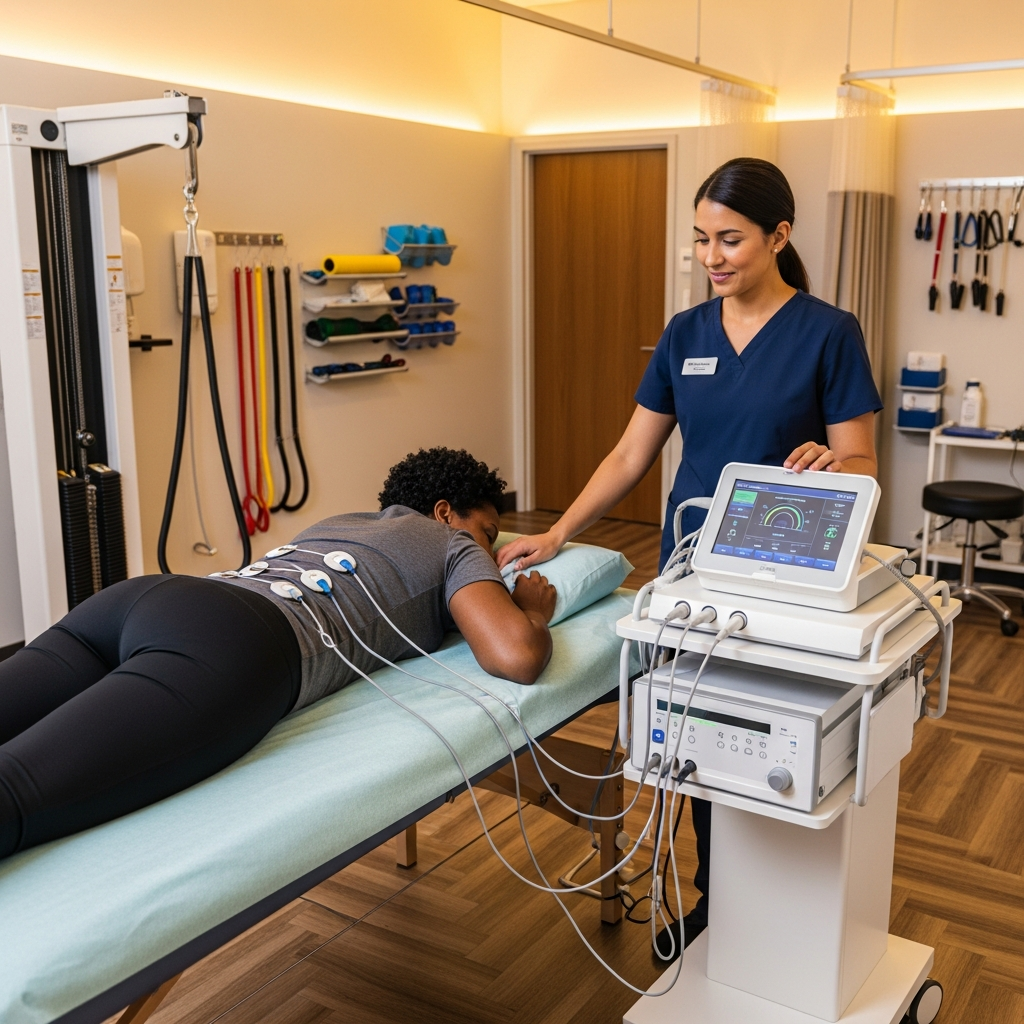
This might include physical therapy (expect to go 2-3 times per week initially), pain management techniques, and possibly injections if conservative treatments aren’t cutting it. Some patients need occupational therapy to relearn daily tasks or modify their work environment.
The key is staying engaged with your treatment. Missing appointments because you “feel fine today” or stopping therapy early because insurance is being difficult? That’s how people end up with chronic problems six months later.
Actually, that reminds me – document everything. Keep a pain journal, track your symptoms, save all your medical records. Trust me on this one.
Working with Insurance and Workers’ Comp
Let’s address the elephant in the room – dealing with insurance companies and workers’ comp can feel like a second full-time job.
Your OWCP clinic will handle most of the prior authorization requests and paperwork, but you’ll need to stay on top of claim deadlines and requirements. Workers’ comp has specific rules about which doctors you can see and when, so don’t assume you can just switch providers without approval.
If your claim gets denied (and sometimes they do), don’t panic. There’s an appeals process, and your clinic’s staff has dealt with this before. They know which documentation insurance companies want and how to present your case effectively.
Building Your Support Network
Recovery from a car accident isn’t just about the physical healing – though that’s obviously important. You’re probably dealing with anxiety about driving, maybe PTSD symptoms, financial stress from missed work…
Your OWCP team understands this. Many clinics have social workers or counselors who can connect you with mental health resources, help navigate disability benefits, or just provide someone to talk through the frustration of dealing with a major life disruption.
Don’t try to handle everything alone. Lean on family, friends, your medical team – whoever’s in your corner. Recovery is a team sport, and you don’t get extra points for suffering in silence.
The goal isn’t just getting you back to where you were before the accident. It’s making sure you’re stronger, more resilient, and have the tools to prevent future injuries. That takes time, patience, and the right medical support – which is exactly what OWCP clinics are designed to provide.
Look, I get it. You’re sitting there – maybe your back’s still aching from last week’s fender-bender, or perhaps you can’t quite turn your neck the way you used to – wondering if you really need professional help or if you’re just being dramatic. Trust me, you’re not.
Here’s the thing about car accidents… they’re sneaky. What feels like a minor inconvenience today can snowball into something that affects your work, your sleep, your ability to play with your kids next month. And honestly? That’s not a risk worth taking.
OWCP clinics aren’t just another medical office where you’ll wait for hours to get five minutes with someone who barely looks up from their clipboard. These places understand something crucial – that your injury isn’t just about the physical damage. It’s about getting your life back on track, dealing with paperwork that makes your head spin, and figuring out how to heal without going broke in the process.
You Deserve More Than “Wait and See”
I’ve talked to countless people who brushed off their post-accident symptoms, thinking they’d just… disappear. Some got lucky. Many didn’t. The ones who wished they’d acted sooner? They all say the same thing: “I should’ve trusted my gut.”
Your body is pretty amazing at compensation – masking problems, working around injuries, making you think everything’s fine. Until one day, it’s not. And by then, what could’ve been addressed with a few targeted treatments becomes a months-long recovery.
The beauty of OWCP clinics is that they’re designed for exactly this situation. They know insurance. They know workers’ compensation. They know how to document everything properly so you’re protected down the road. It’s like having someone fluent in “medical bureaucracy” in your corner.
Taking the Next Step (Without the Overwhelm)
Maybe you’ve been putting this off because medical appointments feel overwhelming right now – and that’s completely understandable. Between dealing with insurance adjusters, getting your car fixed, and just trying to function normally, adding another appointment feels like too much.
But here’s what I want you to consider: getting the right help now actually reduces overwhelm later. It’s like dealing with that weird noise your car makes instead of waiting until you’re stranded on the highway. Prevention beats crisis management every single time.
You don’t have to figure this out alone. That’s really what it comes down to. Whether you’re dealing with obvious pain or those nagging “something’s not quite right” feelings, there are people who specialize in exactly what you’re going through.
If any of this resonates with you – if you’ve been on the fence about seeking care or wondering whether your symptoms are “serious enough” – I’d encourage you to make that call. Even if it’s just to ask questions, to get a professional opinion, to put your mind at ease.
Your future self will thank you for taking action today. And honestly? You deserve to feel confident in your body again, to sleep through the night, to not wince when you look over your shoulder.
Reach out. Ask questions. Get the support you need. You’ve got this – and more importantly, you don’t have to do it alone.