Benbrook Car Accident Doctor for Injury Rehabilitation

You’re driving down Winscott Road on a Tuesday morning, coffee in hand, probably thinking about that meeting at 10 AM or whether you remembered to put the chicken in the slow cooker. Then it happens – that sickening crunch of metal, the jolt that throws your body forward against the seatbelt, the sudden silence that follows. Your hands shake as you check if you’re okay, and honestly? You think you are.
That’s the thing about car accidents – they’re masters of deception. Your adrenaline kicks in like nature’s own painkiller, masking what’s really happening inside your body. You exchange insurance information, maybe even decline the ambulance because “I feel fine, really.” But here’s what nobody tells you… that’s when the real story is just beginning.
Three days later – or maybe it’s a week – you wake up with a neck that feels like it belongs to someone else. Your lower back screams when you try to get out of bed. Those headaches that started as a whisper? Now they’re shouting. And suddenly, you’re part of a club nobody wants to join: car accident victims dealing with injuries that seemed to appear out of nowhere.
If you’re reading this in Benbrook or anywhere in Tarrant County, chances are good this scenario hits a little too close to home. Maybe it’s your story, or your spouse’s, or that friend who keeps saying they’re “managing” their pain from that fender bender six months ago. The truth is, Texas roads can be unforgiving – between the construction zones, the summer thunderstorms that turn asphalt into slip-and-slides, and let’s be honest, some pretty aggressive drivers… accidents happen more often than we’d like to think about.
Here’s what I wish someone had told me years ago when I was working with my first car accident patient: your body is incredibly good at protecting itself in the moment, but terrible at giving you the full damage report right away. It’s like your internal injury assessment team decided to take a coffee break right when you needed them most.
That whiplash everyone talks about? It’s real, and it’s sneaky. Your muscles, ligaments, and joints got thrown around like they were in a paint mixer, but they might not start complaining until days later. Your spine – this amazing, complex structure that keeps you upright and moving – just experienced forces it was never designed to handle. And those forces don’t always announce their damage with sirens and flashing lights.
But here’s the thing that gives me hope, and should give you hope too: with the right care, most of these injuries don’t have to become your new normal. The key word there? *Right* care. Not just any care.
You see, car accident injuries are their own breed. They’re different from the back pain you get from sleeping wrong or the neck strain from hunching over your computer. They require someone who understands the specific ways your body responds to trauma, who knows how to spot the injuries that like to hide, and who can create a recovery plan that actually fits your life – not some cookie-cutter approach that assumes everyone heals the same way.
Throughout this article, we’re going to explore what makes car accident rehabilitation different from regular healthcare – and why that matters for your recovery. We’ll talk about the types of providers who really understand these injuries (hint: it’s not always who you’d expect), what to look for when you’re choosing someone to trust with your healing, and honestly… how to avoid some of the common pitfalls that can turn a treatable injury into a chronic problem.
We’ll also dive into what car accident rehabilitation actually looks like in real life – not the sterile, clinical version, but the messy, human version where some days are better than others and progress doesn’t always follow a straight line.
Most importantly, we’ll help you understand your options right here in Benbrook. Because healing happens best when it happens close to home, with people who understand not just your injury, but your life.
Your story doesn’t have to end with that moment of impact. Let’s figure out how to write the rest of it.
Why Your Body Goes Haywire After a Car Crash
Here’s something that might surprise you – your body after a car accident is kind of like a smartphone that’s been dropped. On the surface, everything might look fine. The screen isn’t cracked, it turns on, seems to work normally. But underneath? There could be all sorts of glitchy processes running in the background that you won’t notice until weeks later when your battery dies in two hours or apps start randomly crashing.
That’s essentially what happens when you’re in a collision, even a seemingly minor fender-bender. The human body wasn’t designed to handle the sudden, violent forces that occur when two vehicles meet unexpectedly. We’re talking about physics here – Newton’s laws don’t care if you were just going 15 mph in a parking lot.
The Hidden Damage You Can’t See
Most people think car accident injuries are obvious. Broken bones, cuts, that sort of thing. But honestly? The sneaky injuries are often the ones that cause the most long-term problems.
Take whiplash, for instance. I know, I know – everyone rolls their eyes at whiplash because it’s become this cliché thing that people supposedly fake for insurance money. But real whiplash is no joke. Your head weighs about as much as a bowling ball, and it’s sitting on top of your neck – which is basically a stack of delicate bones held together by muscles and ligaments. When your car suddenly stops but your bowling ball head keeps going… well, you can imagine the strain.
The tricky part is that soft tissue injuries – muscles, ligaments, tendons – don’t show up on X-rays. You could walk out of the ER with a clean bill of health and still be dealing with pain and stiffness months later. It’s frustrating, and frankly, it makes a lot of people feel like they’re going crazy or being dramatic.
Why “Just Rest” Usually Isn’t Enough
Here’s where things get counterintuitive. Your first instinct after getting hurt might be to just take it easy, maybe pop some ibuprofen, and wait for everything to heal on its own. Makes sense, right? That’s what we do with most injuries.
But car accident injuries are… different. They’re complex. Multiple systems in your body get affected simultaneously – your musculoskeletal system, nervous system, sometimes even your vestibular system (that’s the part that helps with balance, in case you were wondering).
Think of it like this: if you strain your back lifting a heavy box, that’s a pretty straightforward injury. One movement, one muscle group, usually one solution. But in a car accident, forces are coming from multiple directions at once. Your body twists, compresses, and extends in ways it’s definitely not supposed to – sometimes all at the same time.
The Domino Effect Nobody Warns You About
This is where things get really interesting, and honestly, a bit maddening. Let’s say you hurt your neck in the crash. Well, now you’re unconsciously holding your head differently to avoid pain. That changes how your shoulders sit. Which affects your upper back. Which can throw off your lower back. Before you know it, you’re walking like you’re trying to balance a book on your head while simultaneously protecting a sore shoulder.
Your body is incredibly smart about adapting and compensating, but sometimes its solutions create new problems. It’s like when you favor one leg because your ankle hurts, and then your hip starts bothering you because it’s working overtime to make up for the ankle.
When Time Becomes Your Enemy
Actually, that reminds me of something important – timing matters way more than most people realize. There’s this window of opportunity right after an accident where the right kind of treatment can prevent a lot of long-term issues. Miss that window, and what could have been a few weeks of recovery might turn into months or even years of chronic problems.
It’s not that your body can’t heal later – it absolutely can. But think of it like this: if you break your arm and don’t set the bone properly, it’ll still heal… just not in the right position. Same principle applies to soft tissue injuries, except the “setting” process involves specific movements, exercises, and treatments that help everything heal in proper alignment.
The frustrating part? Insurance companies and even some doctors act like you should be “over it” after a few weeks. But your body doesn’t operate on insurance timelines.
What to Expect During Your First Appointment
Here’s what most people don’t realize – that first visit isn’t just about getting examined. It’s about building a case for your recovery, and honestly? The doctor you choose can make or break your entire rehabilitation experience.
Come prepared with everything. I mean *everything*. Bring the police report, photos of your vehicle (yes, even the crumpled bumper shots), insurance paperwork, and any medical records from the ER visit. But here’s the insider tip most people miss: write down your symptoms throughout the day before your appointment. That 3 AM neck stiffness you dismissed? Document it. The headache that hits every afternoon around 2? Write it down.
Your doctor needs to understand how this accident disrupted your actual life – not just what hurts during the 20 minutes you’re in their office.
The Documentation Game (And Why It Matters More Than You Think)
Look, nobody wants to think about legal stuff when they’re in pain, but proper documentation protects you down the road. Your Benbrook car accident doctor should be creating detailed records that tell the complete story of your injuries and recovery.
Ask for copies of everything. Treatment notes, diagnostic reports, progress evaluations – keep your own file. I’ve seen too many people get blindsided months later when insurance companies claim their injuries weren’t “properly documented.”
Pro tip: Take photos of visible injuries (bruising, swelling, limited range of motion) with timestamps. Your phone automatically does this, and these images become powerful evidence of your condition’s progression.
Building Your Recovery Team
Here’s something they don’t tell you – one doctor rarely handles everything. The best car accident doctors in Benbrook work with a network of specialists, and you want someone who’s not afraid to refer you when needed.
Your primary injury doctor might handle the initial diagnosis and treatment plan, but you could also need physical therapists, massage therapists, chiropractors, or even mental health professionals. Whiplash isn’t just about neck pain – it can trigger anxiety, sleep issues, and concentration problems that affect work performance.
Ask your doctor upfront: “Who else might I need to see, and do you work closely with these specialists?” The answer tells you a lot about their approach to comprehensive care.
Insurance Navigation (The Part Nobody Explains Well)
This is where things get… complicated. Different insurance types work differently, and your doctor’s office should help you navigate this maze. PIP (Personal Injury Protection) coverage typically kicks in first, covering medical expenses regardless of fault. But there are limits, and once you hit them, you’re dealing with the at-fault driver’s insurance.
Here’s what to ask your doctor’s billing department: “What’s my coverage limit, how much have we used, and what happens when we approach that limit?” Don’t wait until you’re there to figure this out.
Some doctors work on a lien basis – meaning they’ll treat you now and get paid later from your settlement. This can be helpful if you’re dealing with coverage gaps, but understand the terms completely before agreeing.
Red Flags to Watch Out For
Not all car accident doctors are created equal, and unfortunately, some see dollar signs more than patient recovery. Be cautious if your doctor wants to schedule excessive appointments without clear justification, pushes expensive treatments without trying conservative approaches first, or seems more interested in building a legal case than actually helping you heal.
Good doctors explain their reasoning. They say things like, “We’ll try this approach for three weeks, and here’s what improvement should look like.” They adjust treatment plans based on your progress, not some predetermined schedule.
Creating Your Recovery Environment at Home
Your healing doesn’t stop when you leave the doctor’s office. Ask specific questions about home care: What sleeping positions help? Should you use ice or heat, and when? What activities should you avoid, and for how long?
Get specific instructions for work modifications too. Can you sit at a computer? For how long? Do you need ergonomic adjustments? Your doctor should provide detailed work restrictions that your employer can actually implement.
The best recovery happens when your professional treatment aligns with smart daily choices. Your Benbrook car accident doctor should equip you with the knowledge to make those choices confidently, day after day, until you’re truly back to yourself again.
When Insurance Becomes Your Biggest Headache
Let’s be real – dealing with insurance after a car accident can feel like you’re speaking different languages. You’re already hurting, and now you’ve got adjusters asking for endless paperwork while your back is screaming every time you reach for that filing cabinet.
Here’s what actually works: Don’t try to be the hero who handles everything alone. Most reputable injury rehabilitation clinics in Benbrook have staff who speak “insurance” fluently. They’ll handle the prior authorizations, the documentation requests, and those bizarre codes that insurance companies love so much. You focus on healing – let the professionals fight the paper war.
And here’s something your adjuster won’t tell you… many people don’t realize they can see a doctor immediately after an accident, even while insurance details are still being sorted out. Don’t wait three weeks because you’re afraid of the bill. Most car accident injury doctors work with payment plans or can bill your insurance directly.
The “I Feel Fine” Trap That Gets Almost Everyone
You walk away from that fender-bender feeling like you dodged a bullet. Maybe your neck’s a little stiff, but hey – you’ve felt worse after a tough workout, right? Then three days later, you can barely turn your head.
This is where people get themselves into trouble. Adrenaline is sneaky – it masks pain for hours, sometimes days. Soft tissue injuries (think whiplash, muscle strains) are notorious for playing hide-and-seek with your nervous system.
The solution isn’t to panic and assume the worst about every little ache. But it is smart to get checked out within 48-72 hours, even if you feel okay. Think of it like this: you wouldn’t skip a home inspection when buying a house just because the paint looks fresh from the curb. Your body deserves the same careful attention after trauma.
When Your Regular Doctor Just Doesn’t Get It
Your family physician is wonderful for annual checkups and strep throat, but car accident injuries? That’s… well, that’s different. It’s like asking your neighborhood mechanic to rebuild a race car engine. They might know cars, but this needs specialized expertise.
Car accident rehabilitation involves understanding biomechanics, whiplash dynamics, and how sudden impact affects your spine and soft tissues. You need someone who treats these injuries day in and day out – not someone who sees them once every few months between cases of the flu.
Look for doctors who specifically mention auto accident rehabilitation. They’ll understand things like delayed symptom onset, the psychological impact of trauma (yes, that’s a real thing), and how to document your injuries properly for insurance and legal purposes.
The Recovery Timeline Nobody Warns You About
Here’s what I wish someone had told me – and what I see trip up patients constantly: recovery isn’t linear. You’ll have good days and bad days, sometimes within the same week. One day you’ll feel almost normal, then you’ll sleep wrong and wake up feeling like you got hit by that car all over again.
This doesn’t mean you’re not healing. It doesn’t mean something’s seriously wrong. It means you’re human, and your body is working through trauma.
The key is staying consistent with your treatment plan, even on good days. Actually, especially on good days – that’s when people tend to skip physical therapy or stop their exercises. Don’t be that person who feels better and immediately tries to move a couch (true story from last month).
Fighting the Pressure to “Just Get Back to Normal”
Everyone – your boss, your family, sometimes even yourself – wants you back to 100% yesterday. But rushing recovery is like trying to microwave a pot roast. Sure, it’ll heat up faster, but it won’t turn out right.
Give yourself permission to heal at your body’s pace, not everyone else’s expectations. That might mean modified duties at work for a few weeks. It might mean asking for help with groceries or childcare. It definitely means not feeling guilty about taking care of yourself.
Remember, ignoring pain doesn’t make you tough – it makes you someone who’ll likely deal with chronic issues down the road. Take the time now to heal properly, so you’re not managing this injury for the next ten years.
What to Expect After Your First Visit
Let’s be honest – you’re probably wondering what you’ve gotten yourself into. After a car accident, everything feels uncertain, and starting treatment can feel like yet another overwhelming step. But here’s the thing: knowing what’s coming next can actually be pretty reassuring.
During your first visit, we’ll spend time – real time, not a rushed five minutes – understanding exactly what happened and how your body responded. You’ll probably fill out some paperwork (sorry, it’s unavoidable), but then we’ll sit down and actually talk. We want to hear about that weird ache in your shoulder that only shows up when you’re trying to sleep, or how your neck feels fine until you try to check your blind spot.
The physical examination isn’t anything scary. We’re looking at how you move, where you’re tender, and what your body’s trying to tell us. Sometimes we’ll need imaging – X-rays, MRIs, that sort of thing – but we’ll explain exactly why and what we’re looking for.
The Reality of Recovery Timelines
Here’s where I need to be straight with you… recovery isn’t always linear. I wish I could tell you that you’ll feel 10% better each week for ten weeks, but bodies don’t work like spreadsheets.
Most people start noticing some improvement within the first two to four weeks, especially with acute pain and inflammation. That constant ache that’s been keeping you up at night? That often starts settling down first. But the deeper stuff – the way your muscles have been compensating, the stiffness that’s crept in – that takes longer.
Generally speaking, you’re looking at anywhere from a few weeks to several months, depending on the severity of your injuries and how your body responds to treatment. Minor soft tissue injuries might resolve in 6-8 weeks, while more complex cases involving multiple areas or previous injuries… well, those can take 3-6 months or sometimes longer.
I know that’s not the quick fix you’re hoping for. But here’s what I’ve learned after years of doing this: patients who understand the process and stick with their treatment plan almost always do better than those who expect overnight miracles.
Your Treatment Plan Won’t Be Cookie-Cutter
Every treatment plan we create is different because every accident – and every person – is different. Maybe you were rear-ended at a red light, or perhaps you saw it coming and braced for impact. Maybe you walked away feeling fine, or maybe you knew immediately something was wrong.
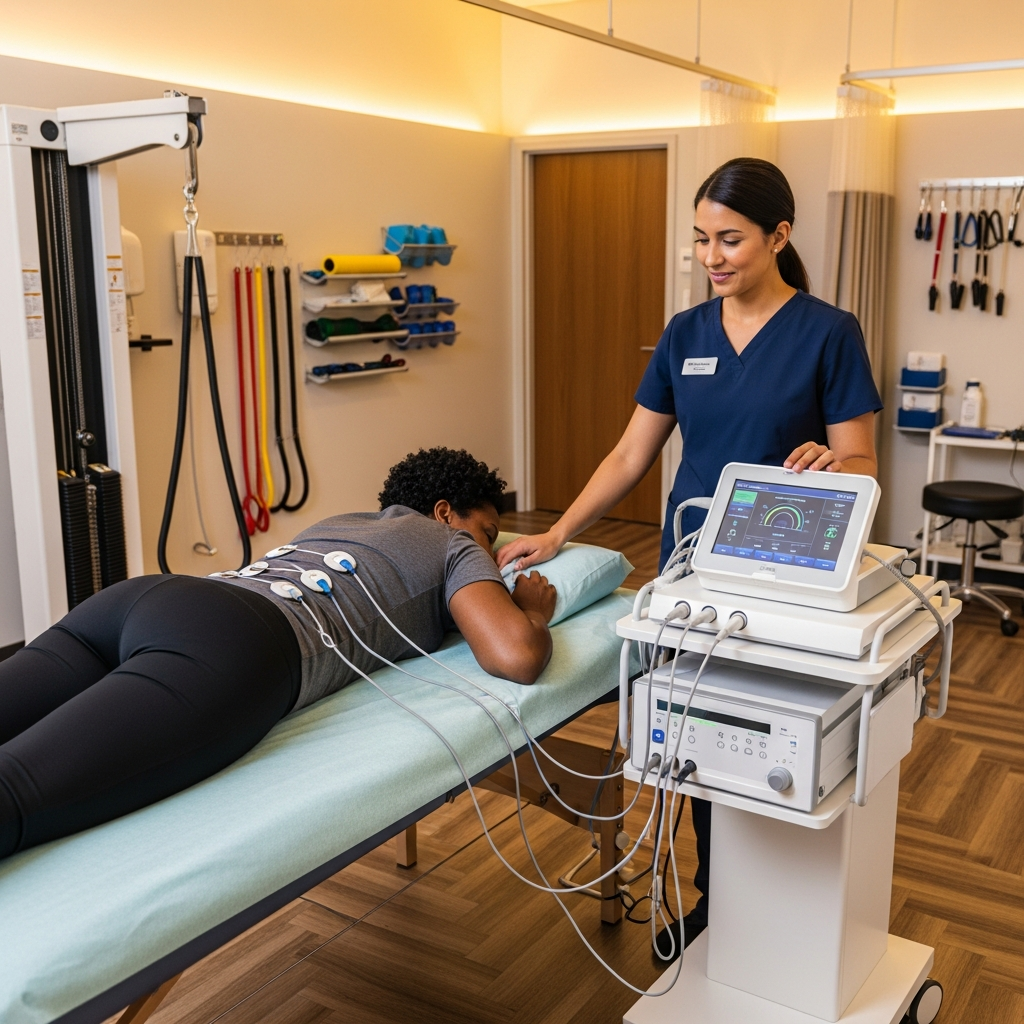
Your plan might include chiropractic adjustments, physical therapy, massage therapy, or some combination. We might recommend exercises you can do at home (don’t worry, nothing too crazy), heat or ice therapy, or specific lifestyle modifications. Some people need more hands-on treatment, others respond better to movement-based approaches.
What matters most is that we’re constantly evaluating and adjusting. If something isn’t working, we’ll try a different approach. If you’re progressing faster than expected, we’ll advance your care accordingly.
The Important Stuff Between Appointments
Treatment doesn’t just happen during your appointments – though I know it sometimes feels that way when you’re sitting in our waiting room for the third time this week.
The exercises we give you? They’re not busywork. I get it, doing neck stretches in your living room doesn’t feel as “official” as getting treatment in our clinic, but those movements are often what make the biggest difference in your long-term recovery.
Sleep matters more than you might think. Your body does most of its healing while you’re asleep, so if pain is keeping you awake, let us know. We can work on strategies to help you get better rest.
And listen – there will be good days and not-so-good days. That’s normal. Some mornings you’ll wake up feeling almost back to normal, and others you’ll feel like you’re starting over. Don’t let those rough days discourage you.
When to Call Us
You don’t have to suffer in silence between appointments. If something feels dramatically different – whether better or worse – give us a call. New symptoms, sudden increases in pain, or concerns about your medications… we’d rather hear from you than have you worry about it for days.
Actually, that reminds me – most people have questions that pop up at random times. Keep a little note on your phone. When you think of something at 10 PM, jot it down so you remember to ask at your next visit.
The goal isn’t just to get you back to where you were before the accident. We want you to feel confident in your body again, to trust that it can handle your daily activities without that nagging worry about re-injury.
You know what? After everything we’ve talked about here, I hope one thing is crystal clear – you don’t have to tough this out alone. Car accidents are traumatic enough without trying to navigate recovery by yourself, wondering if that nagging pain in your neck is “normal” or if you should just push through it.
Here’s the thing about healing… it’s not linear. Some days you’ll feel great, like you’re back to your old self. Other days? Well, you might feel like you’re starting over. That’s completely normal, and honestly, it’s exactly why having the right medical team in your corner makes such a difference.
I’ve seen too many people dismiss their symptoms in those first few days after an accident. “I’m fine,” they say. “It was just a fender bender.” But your body doesn’t always speak up immediately – sometimes it whispers first, then gradually gets louder until you can’t ignore it anymore. The smart move? Listen to those early whispers.
What I love about specialized accident rehabilitation is that these doctors get it. They understand that your shoulder pain might be connected to how you’re compensating for your sore back. They know that headaches after an accident aren’t just stress (though let’s be honest, there’s plenty of that too). They see the whole picture – not just individual symptoms scattered across your body like puzzle pieces.
And here’s something I want you to remember – seeking help isn’t admitting defeat. It’s not being dramatic or weak. It’s being smart. Think about it this way: you wouldn’t try to fix your car’s transmission with a YouTube video and some wishful thinking, right? Your body deserves that same level of professional attention.
The beautiful thing about starting treatment sooner rather than later? You’re giving yourself the best shot at a complete recovery. Those early interventions – whether it’s chiropractic care, physical therapy, or just having someone properly document your injuries – they’re like compound interest for your health. The benefits build on each other over time.
I know the whole process can feel overwhelming. Insurance calls, medical appointments, trying to get back to normal life while your body is still healing… it’s a lot. But you don’t have to figure it all out today. You just need to take that first step.
So if you’re sitting there reading this, maybe rubbing your neck or shifting uncomfortably in your chair, wondering if you should call someone – that’s your answer right there. Your body is trying to tell you something. Listen to it.
Ready to start feeling like yourself again? Our team is here to help you navigate this whole process – from that initial consultation where we actually listen to what you’re experiencing, to creating a treatment plan that fits your life, not the other way around. Give us a call, and let’s talk about what’s really going on and how we can help you get back to feeling strong, comfortable, and confident in your body again.
Because honestly? You deserve to feel good. And we’re here to help make that happen.