6 Ways Personal Injury Clinics Help You Recover Faster After an Auto Accident
You’re sitting at a red light, scrolling through your phone for just a second when — WHAM. The SUV behind you didn’t brake in time, and now your Toyota Camry looks like an accordion. Your neck feels… weird. Your back’s starting to tighten up. And honestly? You have absolutely no idea what you’re supposed to do next.
If you’ve been there, you’re not alone. Actually, you’re part of a pretty large club nobody wants to join — the 6.7 million Americans who get into car accidents every year. Most of us think we’ll just “walk it off” or that a few Advil and a heating pad will do the trick. I mean, how bad could it really be, right?
Here’s the thing though — and this is where it gets tricky — your body after a car accident is like a house after an earthquake. Sure, it might look fine from the outside. The walls are still standing, the roof’s intact, everything appears normal. But underneath? There could be foundation cracks, structural damage, issues that won’t show up for weeks or even months.
That weird neck sensation you’re feeling? It might be whiplash. That little twinge in your lower back? Could be a herniated disc waiting to make your life miserable. And that headache that started the next day… well, let’s just say it might not be from the stress of dealing with insurance companies (though Lord knows that doesn’t help).
The frustrating part is that most people — myself included, if I’m being honest — tend to minimize what happened. We tell ourselves we’re fine because we walked away from the accident. We don’t want to be dramatic or make a big deal out of nothing. Plus, who has time to sit in waiting rooms when you’ve got work deadlines and kids to pick up and life to live?
But here’s what I’ve learned from talking to countless patients who’ve walked this path: ignoring those early warning signs is like putting a Band-Aid on a leaky pipe. It might hold for a while, but eventually, you’re going to have a much bigger problem on your hands.
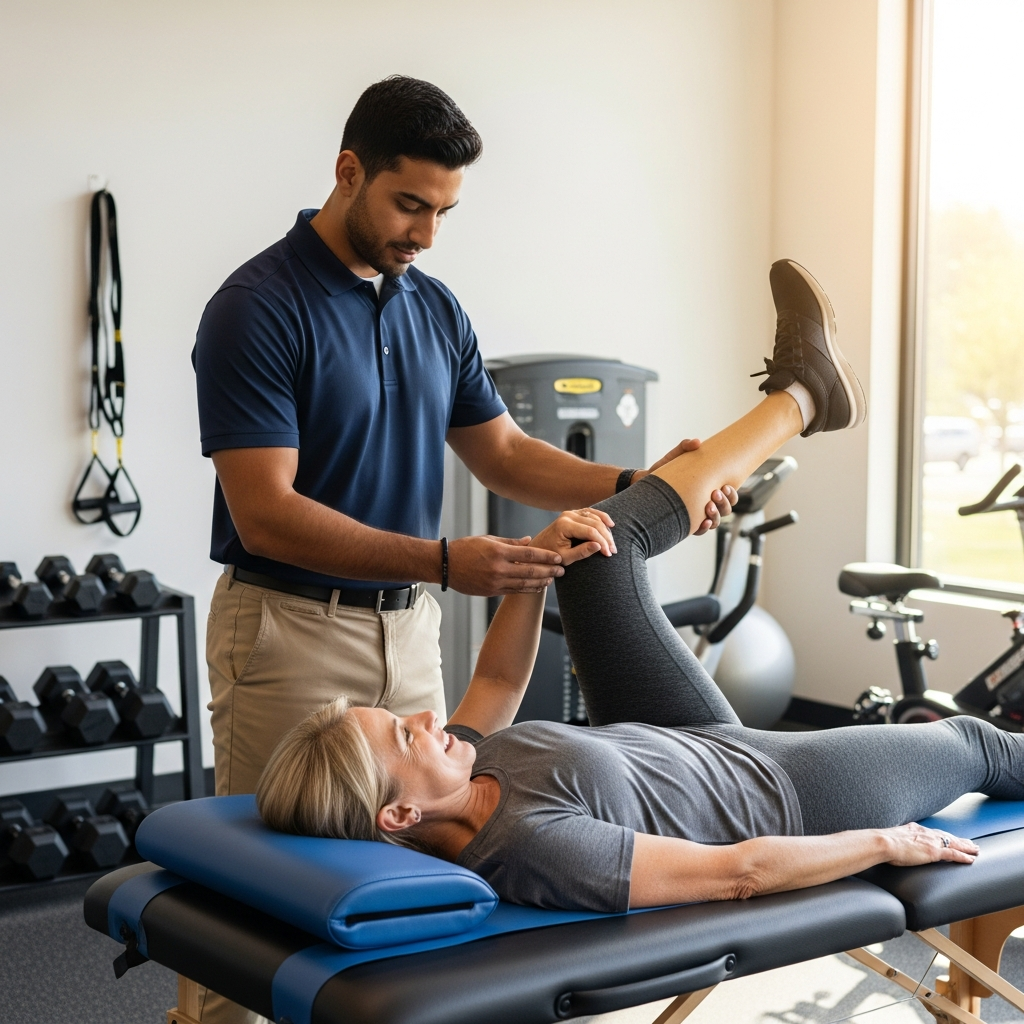
That’s where personal injury clinics come in — and no, they’re not just for people with lawyers and lawsuits and dramatic insurance battles. Think of them more like specialized repair shops for your body after it’s been through trauma. They understand exactly what happens to muscles, joints, and nerves when they get rattled around in a metal box going 35 mph.
You know what’s interesting? Most people don’t even know these clinics exist. They think their only options are the emergency room (expensive and focused on ruling out immediate life threats) or their regular doctor (who might be great with annual checkups but doesn’t necessarily specialize in accident-related injuries). It’s like trying to fix a vintage car with a mechanic who only works on modern vehicles — they might be skilled, but it’s not exactly their specialty.
Personal injury clinics, on the other hand, see accident victims every single day. They know that your shoulder pain might actually be coming from your neck. They understand why you feel worse on day three than you did immediately after the accident. And they have specific tools, treatments, and approaches designed to get you back to feeling like yourself again… not just “okay enough to function.”
The best part? Many of these clinics work directly with insurance companies, which means you might not be looking at massive out-of-pocket expenses. Some even operate on what’s called a “lien basis” — basically, they provide treatment now and get paid later when your insurance claim settles.
Over the next few minutes, we’re going to walk through six specific ways these clinics can speed up your recovery and get you back to your normal life faster. We’ll talk about immediate pain relief (because yes, you deserve to feel better right now), long-term healing strategies, and how they can actually document your injuries in ways that protect you down the road.
Because here’s the truth: you shouldn’t have to suffer through weeks or months of pain just because someone else wasn’t paying attention at that red light. Your recovery matters, and there are people specifically trained to help you get there faster than you might think possible.
Your Body After an Accident – It’s More Complicated Than You Think
You know that feeling when you stub your toe really hard, and for a split second… nothing? Then suddenly – BAM – the pain hits like a freight train? That’s kind of what happens to your entire body after a car accident, except the delayed reaction can last days or even weeks.
Here’s the thing that catches most people off guard: your body is basically running on pure adrenaline right after an accident. It’s like your internal alarm system is screaming “DANGER!” so loudly that it drowns out the pain signals trying to get through. You might walk away thinking you’re totally fine – maybe a little shaken up, but fine. Then you wake up the next morning feeling like you got trampled by a herd of very angry buffalo.
This isn’t your imagination playing tricks on you. Your muscles, ligaments, and joints just went through something they were never designed to handle. Think of it like this: your body is used to gradual movements – you turn your head slowly to look both ways before crossing the street, right? But in an accident, forces that would normally take seconds to build up happen in milliseconds. Your neck might whip from side to side faster than a tennis match on fast-forward.
The Hidden Injury Maze
Most people think of car accident injuries in terms of what they can see – cuts, bruises, maybe a broken bone if things got really bad. But the sneaky stuff? The injuries that don’t show up on Instagram photos but make your life miserable for months? Those are often the real troublemakers.
Soft tissue injuries are like that friend who seems fine at the party but then texts you at 2 AM with all their problems. Your muscles, tendons, and ligaments might seem okay initially, but they’re actually processing some serious trauma. Whiplash is probably the most famous of these – and honestly, the name makes it sound almost… casual? Like something that happens to cream when you’re making dessert. But whiplash can mess with everything from your sleep to your ability to concentrate at work.
Then there’s something called “micro-trauma” – tiny tears in muscle fibers that are too small to see but big enough to cause inflammation and pain. It’s like getting a paper cut on every single muscle fiber in your neck and back. Individually, they’re nothing. Together? They’re the reason you can’t turn your head to check your blind spot without wincing.
Why “Toughing It Out” Usually Backfires
I get it – nobody wants to be the person who makes a big deal out of everything. Maybe you grew up in a household where you had to be actively bleeding to get sympathy for an injury. But here’s what I’ve learned from talking to countless accident victims: ignoring the problem rarely makes it go away.
Your body is incredibly smart about adapting to injury, but sometimes it adapts in ways that create bigger problems down the road. Let’s say your neck hurts, so you unconsciously start holding it differently. Now your shoulder muscles are working overtime to compensate. Before you know it, you’ve got a whole chain reaction of compensation patterns that would make a chiropractor’s eyes light up like it’s Christmas morning.
Actually, that reminds me of something a physical therapist once told me – she said treating car accident injuries is like being a detective. You’re not just looking at where it hurts right now; you’re trying to figure out what your body has been doing to protect itself and whether those protective strategies are actually making things worse.
The Recovery Timeline Reality Check
If you’re expecting a nice, neat timeline for recovery – you know, “Week 1: soreness, Week 2: improvement, Week 3: back to normal” – I hate to be the bearer of bad news, but bodies don’t really work like that. Recovery is more like… well, have you ever tried to untangle Christmas lights? Sometimes you make progress, sometimes you accidentally make it worse, and occasionally you find a knot you didn’t even know was there.
Some days you’ll feel amazing and think you’re completely healed. Other days, you’ll wonder if you imagined that progress entirely. This isn’t a sign that something’s wrong with you – it’s just how healing works, especially when your injury involves multiple body systems trying to get back in sync with each other.
Getting the Most Out of Your First Visit
Here’s something most people don’t realize – that first appointment sets the tone for everything that follows. You’re probably thinking about just showing up and letting the professionals handle it, but there’s actually a lot you can do to make that visit count.
Bring everything. And I mean *everything*. Your insurance cards, the police report, photos from the accident scene (even the blurry ones from your phone), and – this is crucial – a detailed timeline of how you’ve felt since the accident. That headache that started two days later? Write it down. The shoulder stiffness you noticed when reaching for coffee? Document it.
Most clinics will do a comprehensive exam, but here’s an insider tip: they’re also watching how you move when you think they’re not looking. Don’t try to tough it out or downplay your pain – it’s not helping anyone, especially not you. Be honest about what hurts, even if it seems minor.
The Treatment Plan Dance – How to Be an Active Partner
Once your treatment plan is in place, you’re not just a passenger along for the ride. The patients who recover fastest? They treat their recovery like a part-time job… which sounds terrible, I know, but hear me out.
Ask for homework. Seriously. The best personal injury clinics will give you exercises to do at home, but if they don’t offer, request them. These aren’t just busy work – they’re specifically designed to reinforce what happens during your sessions. That five-minute stretching routine they show you might feel insignificant, but it’s often the difference between steady progress and plateauing.
And speaking of progress – keep a simple pain journal. Rate your pain from 1-10 each morning and evening, noting what activities made it better or worse. This data becomes gold when it’s time to adjust your treatment or when dealing with insurance companies.
Maximizing Insurance Benefits (Without the Headache)
Let’s talk about something that makes everyone’s eyes glaze over – insurance. But this stuff matters because running out of coverage mid-treatment is like… well, it’s like your car breaking down halfway to your destination.
Most personal injury protection (PIP) policies have limits, and good clinics will help you track where you stand. But here’s what they might not tell you: you can often negotiate payment plans or reduced rates if you’re approaching your limit. Don’t be shy about having this conversation early – waiting until you’re maxed out gives you fewer options.
Also, keep copies of everything. Every receipt, every treatment note, every communication with your insurance company. I know it’s boring, but think of it as building a case file for your own recovery story.
The Home Recovery Setup That Actually Works
Your home environment can either support your healing or work against it – and most people accidentally choose the latter without realizing it. Small changes make a huge difference.
Start with where you sleep. That old mattress that was “fine” before might now be sabotaging your recovery. You don’t need to buy a new one immediately, but consider a mattress topper or even strategic pillow placement. Your clinic can suggest specific positioning based on your injuries.
Create a “recovery station” in your living space. Keep ice packs in an easily accessible freezer spot, have a heating pad within arm’s reach of your favorite chair, and set up a small area for doing your home exercises. When everything’s convenient, you’re more likely to actually do it.
When to Push and When to Rest
This is probably the trickiest part of recovery, and honestly, even healthcare providers sometimes disagree on this. But here’s what I’ve learned from watching hundreds of patients recover successfully…
Listen to the difference between discomfort and pain. Discomfort during gentle movement or exercise? Often okay to work through. Sharp, shooting, or increasing pain? That’s your body asking you to back off.
The “good pain” versus “bad pain” conversation sounds like something from a fortune cookie, but it’s real. Good pain feels like a muscle working or stretching – you can breathe through it and it doesn’t get worse. Bad pain makes you want to protect the area and often comes with that gut feeling of “something’s not right.”
And here’s a reality check – some days you’ll feel worse before you feel better. That’s not necessarily a setback; it might just be your body responding to increased activity or treatment. The key is communication with your treatment team about these ups and downs.
Recovery isn’t linear, no matter what those progress charts make it look like. Give yourself permission to have off days while staying committed to the process.
The Reality Check: What Actually Goes Wrong During Recovery
Let’s be honest – recovery from an auto accident isn’t just about following a treatment plan and magically getting better. I’ve seen too many people get blindsided by challenges they never saw coming, and frankly… the healthcare system doesn’t always prepare you for them.
The biggest stumble? Pain that doesn’t follow a timeline. You’re expecting steady progress – like a nice, neat graph trending upward. Instead, you wake up on Tuesday feeling fantastic, then Wednesday hits like a freight train. Your neck’s screaming, your back’s in knots, and you’re wondering if you’re actually getting worse. That’s normal, by the way. Healing isn’t linear, especially when you’re dealing with soft tissue injuries that can take weeks or months to fully resolve.
Personal injury clinics see this pattern constantly, which is why the good ones prepare you for it. They’ll map out realistic expectations – not the sugar-coated version where you’re dancing in three weeks. They track your progress differently too, looking at overall trends rather than day-to-day fluctuations that can drive you absolutely crazy if you’re not expecting them.
The Insurance Maze That Nobody Warns You About
Here’s what they don’t tell you: dealing with insurance after an accident can be more exhausting than the actual injury. You’re already hurting, probably dealing with car repairs, maybe missing work… and then comes the paperwork avalanche.
Insurance adjusters are trained to minimize payouts – that’s their job, not necessarily being your advocate. They might question whether you really need that many physical therapy sessions, or they’ll suggest you should be “better by now.” Meanwhile, you’re sitting there thinking, “But my doctor says I need more treatment?”
This is where personal injury clinics become your best friend. They know the insurance language, they document everything properly, and they’ll fight for your continued care when some adjuster decides three weeks of treatment should be enough for a whiplash injury. (Spoiler alert: it usually isn’t.)
The clinic staff handles pre-authorizations, submits detailed reports, and – this is crucial – they know how to communicate with insurance companies in terms they can’t easily dismiss. It’s like having a translator who speaks fluent “insurance.”
When Life Doesn’t Stop for Your Recovery
You know what’s really hard? The world keeps spinning while you’re trying to heal. Your boss still expects you at work (even if you can barely turn your head), your kids still need to get to soccer practice, and those bills aren’t going to pay themselves.
This is where many people make their recovery more complicated by pushing too hard, too fast. You go back to work before you’re ready because you need the paycheck. You skip physical therapy appointments because they conflict with your daughter’s recital. You lift that heavy box because nobody else is around to do it… and suddenly you’re back to square one.
Personal injury clinics get this. The smart ones work around your life, not the other way around. They’ll schedule early morning or evening appointments, they’ll coordinate with your workplace about accommodations, and they’ll be brutally honest about what you can and can’t do safely.
The Emotional Rollercoaster Nobody Talks About
Let’s talk about something that catches everyone off guard – the mental and emotional side of recovery. You might find yourself unexpectedly anxious about driving again, or you’re dealing with brain fog that makes simple tasks feel impossible. Some people develop a fear of being in cars altogether.
Depression often creeps in too, especially when you’re dealing with chronic pain or limitations that affect your daily life. You’re not yourself, you can’t do the things you love, and everyone around you seems to think you should be “over it” by now.
Quality personal injury clinics recognize that treating just the physical symptoms isn’t enough. They’ll connect you with counselors who specialize in trauma recovery, or they’ll adjust your treatment plan to account for the mental health aspects of healing. Because here’s the thing – your mind and body are connected, and you can’t fully heal one without addressing the other.
The solution isn’t pretending these challenges don’t exist. It’s working with professionals who understand the whole picture and won’t act surprised when recovery gets messy. Because it will get messy… but that doesn’t mean you won’t get through it.
Setting Realistic Expectations for Your Recovery
Let’s be honest – you’re probably wondering when you’ll feel like yourself again. It’s the question everyone asks after an auto accident, and honestly? There’s no simple answer. Your neighbor might bounce back in three weeks while you’re still dealing with stiffness after three months. That doesn’t mean something’s wrong with you – it just means bodies are weird and wonderfully different.
Most people see initial improvements within the first few weeks of treatment. You might notice your headaches aren’t as intense, or maybe you can turn your head without wincing. These small wins matter more than you think. But here’s what your personal injury clinic won’t tell you in that first appointment (because they don’t want to overwhelm you): real healing often takes longer than anyone expects.
Soft tissue injuries – the kind you can’t see on an X-ray – are sneaky. They might feel better one day, worse the next. It’s like your body’s playing some cruel joke, but it’s actually just the normal healing process doing its thing. Most people need anywhere from six weeks to six months to feel significantly better, depending on the severity of their injuries and how their body responds to treatment.
What the First Month Usually Looks Like
Those first few weeks? They’re rough. You might feel like treatment isn’t working because some days you hurt more after therapy than before. This is completely normal – your body is essentially learning how to move properly again, and that process isn’t always comfortable.
Your personal injury clinic will likely start with pain management and gentle movement. Think of it like… well, like teaching someone to walk again, except your body already knows how – it’s just forgotten the right way to do it without compensating for injuries.
You’ll probably have appointments two to three times a week initially. Yes, it feels like a lot. Yes, it’s inconvenient. But this frequency isn’t about making money off your insurance – it’s because consistency is everything in early recovery. Missing appointments during this phase is like stopping antibiotics halfway through – you’re not giving your body the best chance to heal properly.
The Middle Phase: Where Real Progress Happens
Around weeks 4-8, something interesting usually starts happening. You might wake up one morning and realize you didn’t immediately think about how much you hurt. Or you’ll reach for something in the backseat of your car without that familiar stab of pain.
This is when your treatment plan typically shifts. Less focus on just managing pain, more emphasis on rebuilding strength and mobility. Your chiropractor might introduce new exercises that actually challenge you a bit. Your massage therapist might work deeper into those stubborn knots that have been hanging around since the accident.
Here’s where expectations get tricky, though. Some people hit this phase and think they’re “cured” – so they stop treatment. Then they wonder why their symptoms come creeping back a few weeks later. Think of it like physical therapy after surgery… you wouldn’t stop just because you could walk to the mailbox, right?
Planning Your Next Steps Forward
So what should you actually expect moving forward? First, understand that your personal injury clinic is going to recommend a treatment plan based on your specific injuries, not some cookie-cutter timeline. Trust that process – they’ve seen hundreds of cases like yours.
Keep a simple pain journal if you can manage it. Nothing fancy – just rate your pain 1-10 each morning and note what you did that day. It helps your treatment team adjust your care, and honestly? It helps you see progress when everything feels slow.
Don’t be surprised if your clinic wants to continue some form of treatment even after you feel “better.” Maintenance care might sound like overkill, but consider it insurance for your recovery. Those monthly adjustments or occasional massage sessions? They’re not just feel-good appointments – they’re preventing small issues from becoming big problems down the road.
Most importantly, be patient with yourself. Recovery isn’t linear, and comparing your timeline to anyone else’s will only frustrate you. Your personal injury clinic is there to guide you through the rough patches and celebrate the victories – even the small ones that might not seem like much to anyone else.
Your body went through trauma. Give it time, give it proper care, and trust the process. You will get better.
You know what’s funny? Most of us spend more time researching which Netflix show to binge next than we do thinking about what happens after a car accident. Until it happens to you, of course – then suddenly you’re thrust into this world of insurance calls, medical appointments, and that nagging pain in your neck that wasn’t there yesterday.
Here’s the thing though… you don’t have to figure this out alone.
The road back to feeling like yourself again doesn’t have to be longer than it needs to be. Those personal injury clinics? They’re not just another medical office with fluorescent lighting and outdated magazines. They’re specialized recovery partners who understand that your body – and your life – got knocked off course, and they know exactly how to help you find your way back.
Think about it this way: when your car gets damaged in an accident, you don’t take it to just any mechanic. You want someone who specializes in collision repair, someone who knows how to restore things properly. Your body deserves that same level of specialized care.
The beautiful part is how these clinics work as a team. Your chiropractor talks to your massage therapist, who coordinates with your physical therapist… it’s like having a whole crew of people who actually communicate with each other (imagine that!). No more explaining your symptoms fifteen times to fifteen different people who all seem surprised by what the last person told you.
And honestly? The documentation and legal support piece is huge. I can’t tell you how many people I’ve talked to who tried to handle everything themselves, only to realize months later that they needed help navigating insurance claims or – heaven forbid – legal issues. Having professionals who speak that language and can advocate for you… that’s priceless peace of mind.
But maybe the most important thing – and this might sound a bit cheesy, but bear with me – is that you get to focus on healing instead of managing your recovery. There’s something profoundly relieving about having experts take the reins on the complicated stuff while you channel your energy into getting better.
Your future self will thank you for taking action now rather than hoping things just work themselves out. Because let’s be honest… when has “just waiting and seeing” ever been the best strategy for anything important?
If you’re reading this because you or someone you care about was recently in an accident, please don’t wait. Even if you’re feeling “okay” right now, even if you think you can handle it on your own – reach out to a personal injury clinic in your area. Most offer free consultations, and a quick conversation could save you months of unnecessary discomfort or complications down the road.
You’ve already been through enough. Let the professionals help you get back to being you – the version of you that doesn’t wince when turning your head or worry about whether that insurance claim is being handled properly. You deserve to heal completely, and you deserve expert support while you do it.
Your recovery matters. And so do you.