Is Chiropractic Care Effective After a Car Wreck Injury?
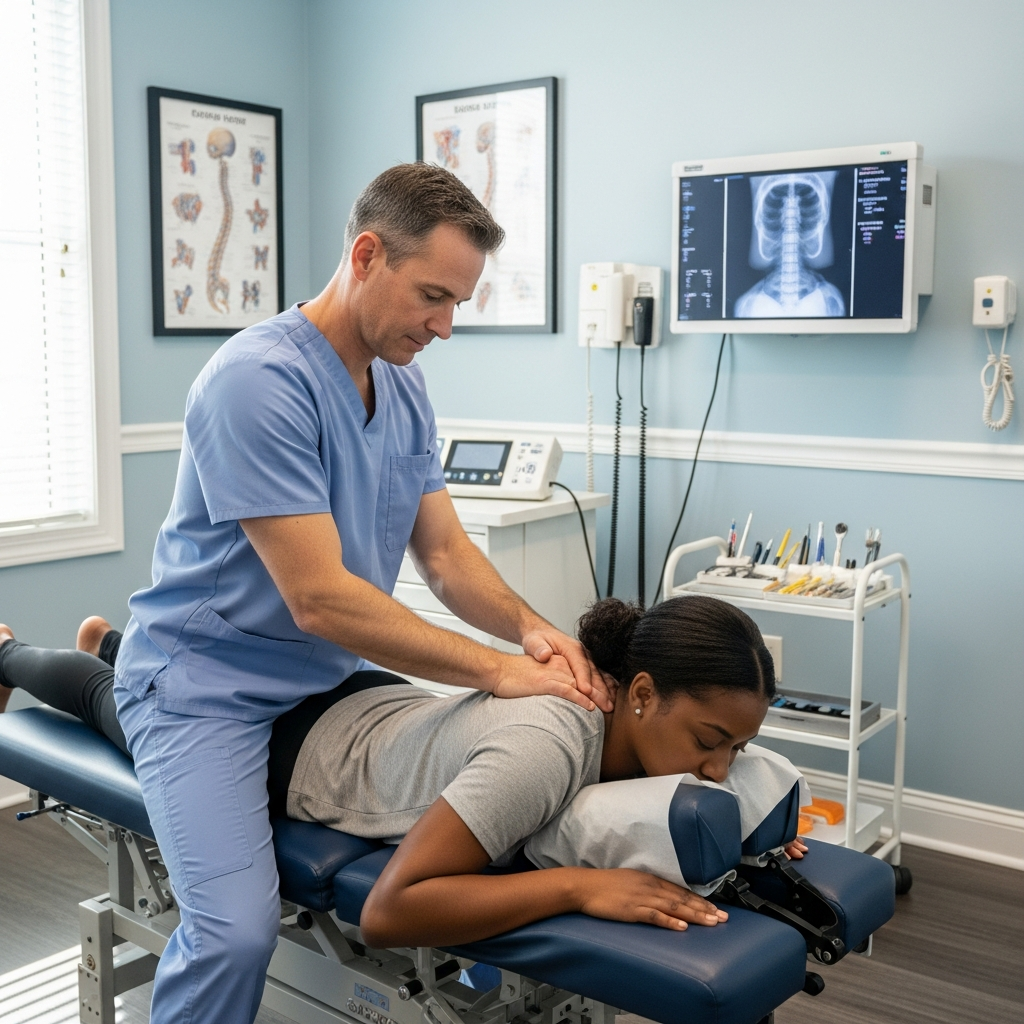
That moment right after a car accident – when the adrenaline is still pumping and someone asks if you’re okay – is one of the strangest experiences a person can have. You say “yes, I’m fine” almost automatically. And you might even believe it. Your hands are shaking, your heart is racing, and honestly, everything feels weirdly numb. So yeah, fine seems about right.
Then you wake up two days later and can barely turn your head to check your blind spot.
If that sounds familiar, you’re in extremely good company. Millions of people walk away from car wrecks feeling okay in the moment, only to have their bodies deliver some very unwelcome news a day or two later. Stiff neck. Aching shoulders. That persistent, low-grade headache that just won’t quit. Sometimes it’s a dull throb in your lower back that makes getting out of bed feel like an Olympic event. Your body was in full-on survival mode when the crash happened – flooding your system with stress hormones that essentially masked what was actually going on underneath.
And now you’re left trying to figure out what to do about it.
Why This Decision Actually Matters
Here’s the thing most people don’t realize when they’re Googling “car accident pain relief” at midnight with an ice pack on their neck – the choices you make in the first days and weeks after a wreck can genuinely affect how well you recover long-term. We’re not trying to alarm you. But soft tissue injuries, whiplash, misalignments… these aren’t the kinds of things that just disappear if you ignore them long enough. Sometimes they do. Often, they don’t.
Which brings us to chiropractic care – probably something you’ve either considered, been recommended, or maybe rolled your eyes at a little. (No judgment. A lot of people have complicated feelings about chiropractors. There’s a lot of noise out there.)
The real question you’re probably asking isn’t just “does chiropractic work?” It’s something more personal than that. It’s more like… *should I trust this for what I’m going through right now?* Is this going to actually help my specific pain, or am I going to spend money and time on something that just delays real treatment? Is it safe? Will my insurance cover it? Do I even need it if my pain is “not that bad”?
Those are exactly the right questions. And they deserve honest answers – not a sales pitch.
What You’ll Actually Get From Reading This
This article isn’t going to tell you chiropractic care is a miracle cure. It’s also not going to dismiss it as pseudoscience. What it *is* going to do is walk you through what the research actually shows, what types of car accident injuries tend to respond well to chiropractic treatment, and what the realistic expectations look like when you walk into a chiropractor’s office after a wreck.
We’ll talk about whiplash specifically – because it’s the most common post-accident complaint and also one of the most misunderstood. We’ll cover how chiropractic adjustments work on a basic level, what a typical treatment plan might look like, and importantly, when chiropractic care might *not* be the right first call.
Because sometimes it isn’t. And a trustworthy source will tell you that.
We’ll also touch on how chiropractic fits into a broader recovery picture – whether that’s alongside physical therapy, pain management, or working with your primary care doctor. Recovery after a car accident rarely happens in a straight line, and it rarely involves just one type of care.
The bottom line is this: you’ve been through something jarring – literally and figuratively. Your body absorbed a significant amount of force, and now it’s asking for some attention. You deserve to make an informed decision about how to take care of it, not just grab the first option someone pushes you toward.
So grab a comfortable seat. Maybe that ice pack too, if you need it. Let’s figure this out together.
What Actually Happens to Your Body in a Crash
Here’s something most people don’t realize: you don’t have to be in a dramatic, airbag-deploying wreck to end up with a real injury. Even a relatively minor fender-bender at 10 or 15 mph can send a significant force through your body – specifically through your neck and spine – in a fraction of a second. Your seatbelt does its job holding your torso in place, but your head? It whips forward and backward (or side to side) before your muscles even have time to tense up in response.
That’s the core problem. The injury happens faster than your body can protect itself.
The classic result is whiplash, which – honestly – sounds like something you’d laugh off. The name doesn’t do it justice. What’s actually happening is a rapid overstretching of the soft tissues in your neck: muscles, ligaments, tendons, and the small joints between your vertebrae called facet joints. Those structures get strained, inflamed, and sometimes partially torn. And because they’re deeply woven into a complex, load-bearing system, even minor damage can cause symptoms that ripple outward in confusing ways.
The Spine Is More Interconnected Than You’d Think
Think of your spine like a suspension bridge. Every cable, beam, and anchor point is doing something. When one component gets compromised, the whole structure compensates. That’s why people after a crash often come in saying things like “my neck hurts, but also my lower back is killing me, and I keep getting headaches, and my right shoulder won’t stop aching…” – and they look slightly embarrassed, like they’re exaggerating.
They’re not exaggerating. That’s just how spinal injuries work.
When vertebrae are jostled out of their normal alignment – even subtly – it can irritate nearby nerves, alter how muscles fire, and change the mechanical load on surrounding joints. Everything’s connected. So symptoms that seem unrelated often trace back to the same original insult.
Why the Delayed Onset Thing Happens (It’s Counterintuitive)
Okay, this is the part that trips people up. A lot of crash survivors leave the scene thinking they’re fine. They feel shaken up, maybe a little stiff, but nothing alarming. Then two or three days later they wake up and can barely turn their head.
What’s going on there?
Two things, mostly. First, your body floods with adrenaline in and after a traumatic event – and adrenaline is a remarkably effective short-term pain masker. You’re in fight-or-flight mode; your nervous system is not prioritizing the signal that your neck ligaments are unhappy. Second, inflammation takes time to build. The full inflammatory response – with all its swelling, stiffness, and pain signaling – often peaks 24 to 72 hours after the initial injury. So what felt like minor soreness on day one can feel genuinely debilitating by day three.
This is actually one of the strongest arguments for getting evaluated promptly even when you feel “okay.” Because by the time you feel it, the injury has been there for a while.
Where Chiropractic Care Fits Into This Picture
Chiropractic care is built around the musculoskeletal and nervous systems – which happens to be exactly where crash injuries live. Chiropractors are specifically trained to assess spinal alignment, joint mobility, soft tissue damage, and nerve involvement. It’s not a coincidence that so many accident victims end up in a chiropractor’s office.
The core of chiropractic treatment is spinal manipulation (sometimes called an adjustment) – controlled, targeted force applied to joints that have lost their normal range of motion. Think of it as manually encouraging a stuck door hinge to move freely again. When joints are locked up from trauma, the muscles around them often go into protective spasm, which creates this self-reinforcing cycle of stiffness and pain. Breaking that cycle is often where treatment has to start.
But modern chiropractic care – especially in a clinic that handles post-accident patients – is rarely *just* adjustments. Soft tissue work, therapeutic exercise, and other modalities usually play a role too. The injury isn’t just mechanical; it’s biological. Tissues are healing, nerves are irritated, muscles have learned new (bad) movement patterns. Good care addresses all of that together.
Which, actually, is what the research has been increasingly confirming…
What to Actually Do in the First 72 Hours
Here’s something most people don’t realize – the decisions you make in the first three days after a crash can genuinely shape how well you recover. Even if you feel fine right now. Especially if you feel fine right now.
First, get a medical evaluation before your first chiropractic appointment. I know that sounds like extra steps, but a physician or ER doctor needs to rule out fractures, internal bleeding, or anything that would make spinal manipulation unsafe or flat-out dangerous. Bring those records to your chiropractor. A good one will want to see them anyway.
Ice, not heat, for the first 48 hours. Heat feels amazing on a sore neck, but it increases inflammation when your tissues are already swollen and angry. Fifteen minutes on, fifteen minutes off. It’s boring advice, but it works.
Document everything. Take photos of your car, screenshot your ER paperwork, and start a simple notes app journal of your symptoms – where the pain is, how it’s affecting your sleep, whether you’re getting headaches. This isn’t just for legal reasons (though it helps there too). It helps your chiropractor see patterns they’d otherwise be guessing at.
Choosing the Right Chiropractor – Not Just Any Chiropractor
This matters more than people think. You want someone who has specific experience with trauma-related injuries, not just general wellness adjustments. These are genuinely different skill sets.
Ask directly: “How many car accident patients do you treat?” Ask if they’re familiar with whiplash-associated disorder grading, because a chiropractor who knows the difference between a Grade II and Grade III whiplash injury is someone who’s paying attention to the research.
Look for a chiropractor who collaborates with other providers – or better yet, works within a clinic that includes physical therapists, pain management specialists, or primary care. Soft tissue injuries after crashes are complicated. Anyone who tells you adjustments alone will fix everything is oversimplifying.
Actually, one more thing worth mentioning here: be a little cautious of any provider who asks you to sign a lengthy treatment contract upfront before they’ve even evaluated you. That’s a flag. Your treatment plan should evolve based on how you’re responding, not be locked in on day one.
What a Real Treatment Plan Should Look Like
A solid post-accident chiropractic plan isn’t just “come in three times a week forever.” You should expect a clear initial assessment – probably including orthopedic and neurological testing, and often X-rays. From there, the first few weeks typically focus on reducing inflammation and restoring basic range of motion. Gentle mobilization techniques, soft tissue work, maybe some low-level laser therapy or ultrasound depending on the practice.
Around weeks three to six, if you’re responding well, the work shifts toward active rehabilitation – actual exercises, not just passive treatment on a table. This is important. Muscles that were injured need to be retrained, not just adjusted. A chiropractor who only ever does passive treatment is leaving a big piece of the puzzle out.
Ask for re-evaluation milestones. Every four to six weeks, your provider should be checking measurable progress. Pain scores, range of motion measurements, functional assessments. If those numbers aren’t moving after a reasonable time frame, the plan needs to change.
Making It Work With Your Regular Doctor
This is where people often drop the ball. Your chiropractor and your primary care physician should be on the same page – which means you might have to be the one connecting those dots. Bring your chiropractic notes to your PCP appointments. Mention any medications to your chiropractor, particularly blood thinners or corticosteroids.
If your pain is severe or neurological symptoms appear – tingling down your arms, weakness in your hands, anything that feels like it’s coming from your spine radiating outward – that needs medical evaluation, not more adjustments. A chiropractor worth their license will tell you the same thing.
The Part Nobody Tells You About Recovery Timing
Here’s the honest truth most people aren’t told upfront: soft tissue injuries from crashes are notoriously slow healers. We’re talking months, not weeks, for more significant injuries. Progress is often non-linear – you’ll have good days followed by frustrating setbacks, and that’s completely normal tissue healing, not a sign that treatment isn’t working.
Showing up consistently, doing the home exercises (yes, even the boring ones), and communicating openly with your provider about what’s helping and what isn’t – that’s what actually moves the needle. It’s not glamorous advice, but it’s the real work.
When Chiropractic Care Gets Complicated
Look, most people who start chiropractic treatment after a car accident do pretty well. But “pretty well” doesn’t mean “perfectly smoothly,” and pretending otherwise would be doing you a disservice. There are real sticking points that trip people up – and knowing about them ahead of time is genuinely half the battle.
The Pain Gets Worse Before It Gets Better
This one catches people off guard constantly. You go in feeling miserable, you get adjusted, and then… you feel *more* miserable for a day or two. That soreness is real and it’s frustrating, especially when you’re already exhausted from dealing with the accident aftermath.
Here’s what’s actually happening: your body has been compensating for the injury, sort of like how you walk differently when you have a blister. When chiropractic care starts correcting those patterns, muscles that have been doing extra work suddenly get called out on it. They protest.
The solution isn’t to quit. It’s to communicate – actually tell your chiropractor exactly what you’re experiencing. They can adjust the intensity of treatment, suggest ice or heat for the interim soreness, or space out your appointments differently. A good chiropractor *wants* that feedback. They’re not guessing; they’re calibrating.
Inconsistent Attendance Quietly Wrecks Your Progress
Life happens. You miss an appointment because your kid got sick, then you skip another because work exploded, and suddenly three weeks have passed. This is probably the most common way people accidentally sabotage their own recovery – and nobody talks about it enough.
Chiropractic care works through cumulative effect. Think of it like physical therapy for a broken bone – missing sessions doesn’t just pause your progress, it can actually allow patterns of dysfunction to re-establish themselves. You end up taking two steps forward and one and a half steps back.
The honest solution? Block your appointments out like they’re non-negotiable medical appointments (because they are). Tell the front desk you want to schedule six weeks out at once. Put them in your phone with reminders. Treat them with the same seriousness you’d give a surgical follow-up, because the underlying injury deserves that same respect.
Insurance Headaches Are Real – And Exhausting
Nobody warns you about the bureaucratic marathon. Between PIP coverage, third-party liability claims, liens, and medical payment benefits, dealing with insurance after a car accident is genuinely confusing. Sometimes people stop care because they’re not sure what’s covered, or they’ve received a confusing letter, or they’re worried about money.
Here’s what helps: find a chiropractic clinic that has experience specifically with auto accident cases. These offices deal with insurance companies regularly and often have staff who can walk you through exactly what your coverage looks like. They’ve seen the confusing letters before. They speak that language. If you’re working with an attorney on your claim – which you probably should be if there are significant injuries – coordinate between your legal team and your provider. Communication between those parties matters more than most people realize.
Expecting Too Much Too Soon
This one’s tricky to talk about because hope is actually important to recovery. But there’s a version of hope that turns into frustration when reality doesn’t match expectations, and that frustration can lead people to abandon treatment prematurely.
Soft tissue injuries from car accidents can take weeks or even months to fully heal. Whiplash, in particular, is notorious for being a slow healer. Some days you’ll feel dramatically better. Then you’ll have a rough day and wonder if any of it is working. That’s normal. That’s not a sign to stop.
Set a realistic check-in point with your chiropractor – maybe at four weeks, maybe at eight – where you genuinely assess progress together. Are you sleeping better? Is your range of motion improving? Has the frequency of headaches decreased? Progress in recovery isn’t always “does my neck hurt today,” it’s a broader picture.
When Chiropractic Might Not Be Enough on Its Own
Sometimes – not always, but sometimes – a car accident injury needs a team approach. Fractures, nerve compression, significant disc herniation… these situations might need orthopedic evaluation or other intervention alongside chiropractic care. A chiropractor who’s honest with you will tell you when you need additional support, not just keep scheduling appointments. That transparency is actually a sign you’re in good hands.
The takeaway is this: challenges in recovery don’t mean recovery isn’t happening. They just mean it needs tending to.
What Realistic Recovery Actually Looks Like
Here’s the thing nobody really wants to hear but genuinely needs to: healing from a car accident injury takes time. Probably more time than you’re hoping for. That’s not pessimism – that’s just how soft tissue damage, spinal misalignment, and the general trauma of a wreck works in the real world.
Most people walking into a chiropractor’s office after an accident are secretly hoping they’ll feel dramatically better after one or two visits. And sometimes – genuinely – you do get some meaningful relief early on. But a full recovery? That’s usually measured in weeks or months, not days. If someone is promising you otherwise, pump the brakes.
A typical course of chiropractic care after a car accident might run anywhere from 6 to 12 weeks, with visits starting more frequently (maybe two to three times a week) and tapering off as you improve. Some people with more serious injuries are looking at longer timelines. Some with minor sprains wrap up sooner. Your situation is yours – don’t compare it to your cousin who “was totally fine in two weeks.”
The First Few Visits Might Feel Weird
This catches a lot of people off guard. After your initial adjustments, you might feel a little sore or achy – almost like you worked out muscles you forgot you had. That’s actually pretty normal. Your body is responding to changes it wasn’t expecting, and some temporary discomfort is part of the process.
What you’re watching for, though, is a general trend. Not perfection visit by visit, but slow, steady progress over time. Maybe your range of motion improves. Maybe you’re sleeping a little better. Maybe the headaches that were coming every day are now showing up every few days instead. Those small wins matter. They’re signs that things are moving in the right direction.
If you’re several weeks in and feeling *worse* – not just plateaued, but genuinely worse – that’s worth a conversation with your chiropractor and possibly your primary care physician. Chiropractic care is effective for many accident injuries, but it’s not the right tool for every single problem.
Be Honest With Your Provider (Seriously)
This sounds obvious, but it’s worth saying. Tell your chiropractor exactly where it hurts, how it’s changed, what makes it better, what makes it worse. Don’t downplay symptoms because you feel awkward or like you’re complaining. Don’t exaggerate them either. Just… be real.
Your treatment plan should evolve as you do. A good chiropractor will regularly reassess and adjust your care based on how you’re actually responding – not just run you through the same routine on autopilot week after week. If your neck is improving but your lower back is now screaming at you, that matters. Say something.
What Comes After Active Treatment
This is the part people sometimes skip, and then they wonder why things creep back. Once your active treatment phase winds down – once you’re not coming in three times a week – there’s usually a maintenance or self-care component to think about.
That might look like specific stretches or exercises your chiropractor has recommended. It might mean periodic check-ins every month or so. It could involve paying more attention to your posture, your workspace setup, how you’re sleeping. None of this is complicated. It’s just the ongoing maintenance your body needs after going through something genuinely traumatic.
Actually, that reminds me – a lot of people underestimate how much a car accident affects them psychologically as well as physically. Anxiety, sleep disruption, even some hypervigilance around driving… these things are real and they can slow physical recovery too. Mention it to your care team if you’re dealing with any of that.
Talking to Other Members of Your Care Team
Chiropractic care works really well alongside other treatments – physical therapy, massage, pain management, sometimes even counseling. It doesn’t have to be either/or. If your chiropractor seems resistant to a collaborative approach or dismisses what other providers are telling you, that’s worth paying attention to.
The goal – everyone’s goal, including yours – is getting you back to feeling like yourself. That might take longer than you want. There will probably be frustrating days in the middle where progress feels invisible. But with realistic expectations and consistent care, most people do get there.
You just have to give it the time it actually needs.
So here’s the bottom line – if you’ve been in a wreck and you’re dealing with pain, stiffness, headaches, or that general feeling that something just isn’t *right* in your body, you don’t have to white-knuckle it through the recovery process alone. And you definitely don’t have to accept “well, the X-rays look fine” as the final word on how you feel.
The research on chiropractic care after auto accidents is genuinely encouraging. It’s not miracle work – no honest practitioner is going to promise that – but for the kind of soft tissue injuries, spinal misalignments, and nerve irritation that car crashes so commonly cause, it’s one of the most well-matched treatments out there. Your body took a sudden, violent force it wasn’t prepared for. The goal is to help it heal in an organized, intentional way rather than just… hoping for the best.
And there’s something to be said for that. Hope is lovely, but a plan is better.
What Getting Help Actually Looks Like
A lot of people hesitate because they’re not sure what “getting evaluated” even means. Will it be expensive? Complicated? Will someone pressure them into a long treatment contract before they’ve even had a chance to think?
Those are real concerns, and they’re worth voicing. A good care team – whether that’s a chiropractor, a medical provider, or a clinic that combines both – should *listen* before they recommend anything. They should explain what they’re seeing, what they think is going on, and what options make sense for your specific situation. Not a one-size-fits-all protocol. Your situation.
Actually, that’s one reason many people end up at medical weight loss and wellness clinics that take a more integrated approach – because having your whole health picture considered, not just the one squeaky wheel, tends to produce better outcomes. Especially if stress, inflammation, or disrupted sleep from the accident are compounding things.
You Deserve to Feel Like Yourself Again
Car wrecks have this sneaky way of stealing small pieces of your normal life. Maybe you can’t turn your head comfortably to check your blind spot. Maybe you’ve stopped going on your evening walks because your back just doesn’t cooperate anymore. Maybe you’re snapping at people you love because you’re exhausted from hurting.
Those losses matter. They’re worth addressing.
Waiting too long – hoping the pain will just resolve on its own – sometimes works out. But sometimes it just lets compensatory patterns set in, where your body starts favoring one side or holding tension in ways that create *new* problems down the line. Earlier intervention tends to mean shorter recovery. That’s not a sales pitch; that’s just physiology.
If any of this resonates with you, we’d genuinely love to help. Reach out to our clinic whenever you’re ready – no pressure, no hard sell, just a real conversation about what you’re experiencing and what might actually help. You can call us, fill out a contact form, or stop by if that feels easier. Whatever works for you.
You’ve already been through enough. The next step should feel like relief, not another stressor. We’re here when you’re ready.