7 Rehab Techniques Used for Car Wreck Injuries in Irving
You’re sitting at that red light on Highway 183, scrolling through your phone for just a second – when WHAM. The world tilts sideways, your coffee flies everywhere, and suddenly you’re dealing with the aftermath of what seemed like such a minor fender-bender. But here’s the thing nobody tells you: your body doesn’t distinguish between “minor” and “major” when it comes to the physics of impact.
Maybe it wasn’t you behind the wheel. Maybe it was your spouse who came home that evening, moving a little stiffly, dismissing your concerns with “I’m fine, honey – it was barely a bump.” Or perhaps it’s been weeks since your accident, and you’re starting to realize that persistent neck ache isn’t just going away on its own like you hoped it would.
Sound familiar? You’re definitely not alone in this.
Irving sees its fair share of vehicle accidents – we’re talking about a city crisscrossed by major highways where thousands of commuters navigate daily traffic. And here’s what’s really frustrating: the injuries that seem “invisible” at first often become the most persistent problems down the road. That slight headache that started three days after your accident? The shoulder that’s been gradually getting stiffer? The lower back that protests every morning when you get out of bed?
These aren’t just annoyances you have to live with. They’re your body’s way of telling you that something shifted during that impact – something that needs attention before it becomes a much bigger problem.
But here’s where it gets tricky. Walk into most doctor’s offices after a car accident, and you’ll likely walk out with a prescription for pain medication and advice to “take it easy.” Don’t get me wrong – sometimes that’s exactly what you need initially. But what happens when the pills run out and the pain is still there? What about when “taking it easy” starts affecting your work, your sleep, your ability to play with your kids or enjoy activities you love?
That’s where rehabilitation comes in – and I don’t just mean the basic physical therapy your insurance company grudgingly approves for six sessions. I’m talking about comprehensive rehab techniques specifically designed to address the unique ways car accidents affect your body. Because here’s the reality: when you’re in a vehicle collision, even at relatively low speeds, your body experiences forces it was never designed to handle.
Your spine compresses, your muscles brace for impact in ways that create lasting tension patterns, and your nervous system goes into protective mode – sometimes staying there long after the danger has passed. It’s like your body’s alarm system gets stuck in the “on” position, constantly sending signals that something’s wrong even when the initial injury has healed.
The good news? There are specific rehabilitation techniques that address these exact issues. Not generic approaches, but targeted methods that understand the biomechanics of vehicle collisions and how they affect human physiology. Some of these techniques might surprise you – they go way beyond the typical “ice it and stretch” advice you’ve probably heard.
In Irving, we’re seeing remarkable results when people get connected with the right combination of these specialized rehab approaches. We’re talking about folks who thought they’d have to live with chronic pain getting back to their normal activities. People who were worried about long-term complications finding real relief and restoration of function.
Over the next several minutes, we’re going to walk through seven specific rehabilitation techniques that are making a real difference for car accident injuries right here in Irving. Some of these you might have heard of, others might be completely new to you. But here’s what they all have in common: they work by addressing the root causes of post-accident pain and dysfunction, not just masking the symptoms.
You’ll learn why timing matters so much with these injuries (spoiler alert: sooner is almost always better), which techniques work best for different types of collision injuries, and most importantly – how to find qualified practitioners who understand these specialized approaches.
Because honestly? You shouldn’t have to accept that persistent pain or stiffness as your new normal. There are better options out there.
Why Car Accidents Hit Your Body Like a Perfect Storm
You’re driving along, maybe thinking about what to grab for dinner, when BAM – someone runs that red light and suddenly your world turns upside down. Literally. Your body, which was just peacefully sitting there, gets thrown around like a rag doll in a washing machine.
Here’s the thing that most people don’t realize: your body isn’t designed for sudden stops. Think about it – we evolved to handle gradual forces, like climbing hills or lifting heavy objects. But a car crash? That’s like asking your smartphone to survive being dropped from a skyscraper. Something’s gonna break.
The forces involved are honestly pretty mind-boggling. Even at just 30 mph, your body experiences forces that can be 10-15 times your body weight. It’s like having several people suddenly jump on your back while you’re trying to stay upright. No wonder things get… complicated.
The Sneaky Nature of Crash Injuries
Here’s where things get tricky (and honestly, a bit frustrating for everyone involved). Unlike a broken bone that shows up crystal clear on an X-ray, many car accident injuries are what doctors call “soft tissue injuries.” We’re talking muscles, tendons, ligaments – all the squishy stuff that holds you together but doesn’t photograph well.
Whiplash is probably the poster child for this. Your head whips forward and backward faster than your neck muscles can react – like trying to catch a ball that’s already hit you in the face. The damage happens in milliseconds, but the pain? That can stick around for months or even years if it’s not treated properly.
And here’s something that catches people off guard: you might feel completely fine right after the accident. Adrenaline is one heck of a painkiller. I’ve seen people walk away from crashes feeling invincible, only to wake up the next morning feeling like they’ve been hit by… well, a car.
Why Your Body Holds Onto Trauma
This is where it gets really interesting – and a little weird if I’m being honest. Your body has this amazing ability to compensate when something’s not working right. It’s like when one leg of a table breaks, so you unconsciously lean on the other three legs harder.
After a crash, your brain starts sending different signals to your muscles. Maybe your neck hurts, so you start holding your shoulders differently. Then your back compensates for the weird shoulder position. Before you know it, you’re walking around like you’re carrying an invisible backpack full of rocks, and you can’t figure out why everything hurts.
The technical term for this is “compensation patterns,” but I like to think of it as your body’s attempt to be helpful that actually makes things worse. Kind of like when your well-meaning friend tries to “fix” your computer and somehow makes it slower than before.
The Inflammation Game
Here’s another piece of the puzzle that trips people up: inflammation. After an injury, your body floods the area with inflammatory chemicals – it’s like sending in a cleanup crew after a house fire. The intention is good, but sometimes the cleanup crew hangs around way longer than they should.
In the short term, inflammation helps with healing. But when it becomes chronic? That’s when you get that persistent ache that seems to move around your body like it’s playing hide and seek. One day it’s your neck, the next day it’s your lower back, and you’re left wondering if you’re losing your mind.
Why “Wait and See” Often Backfires
A lot of insurance companies (and honestly, some doctors too) will tell you to “wait and see” how you feel. The idea is that many injuries resolve on their own given enough time. And sure, sometimes they do.
But here’s what I’ve learned from working with thousands of patients: the longer you wait, the more entrenched those compensation patterns become. It’s like letting weeds grow in your garden – much easier to pull them when they’re small than after they’ve taken root and spread everywhere.
The research actually backs this up. People who start rehabilitation within the first few weeks after an accident tend to have better outcomes than those who wait months to address their injuries. Time might heal all wounds, but apparently it’s not always great at healing them *properly*.
That’s where targeted rehabilitation comes in – but we’ll get into the specifics of how that actually works in just a bit…
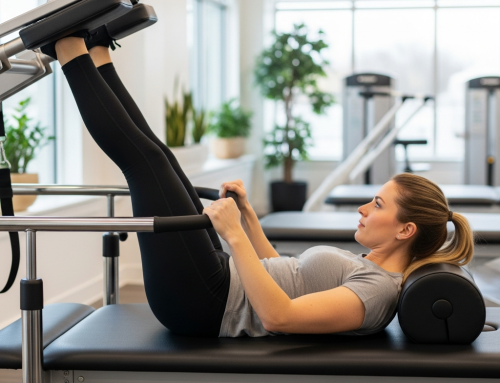
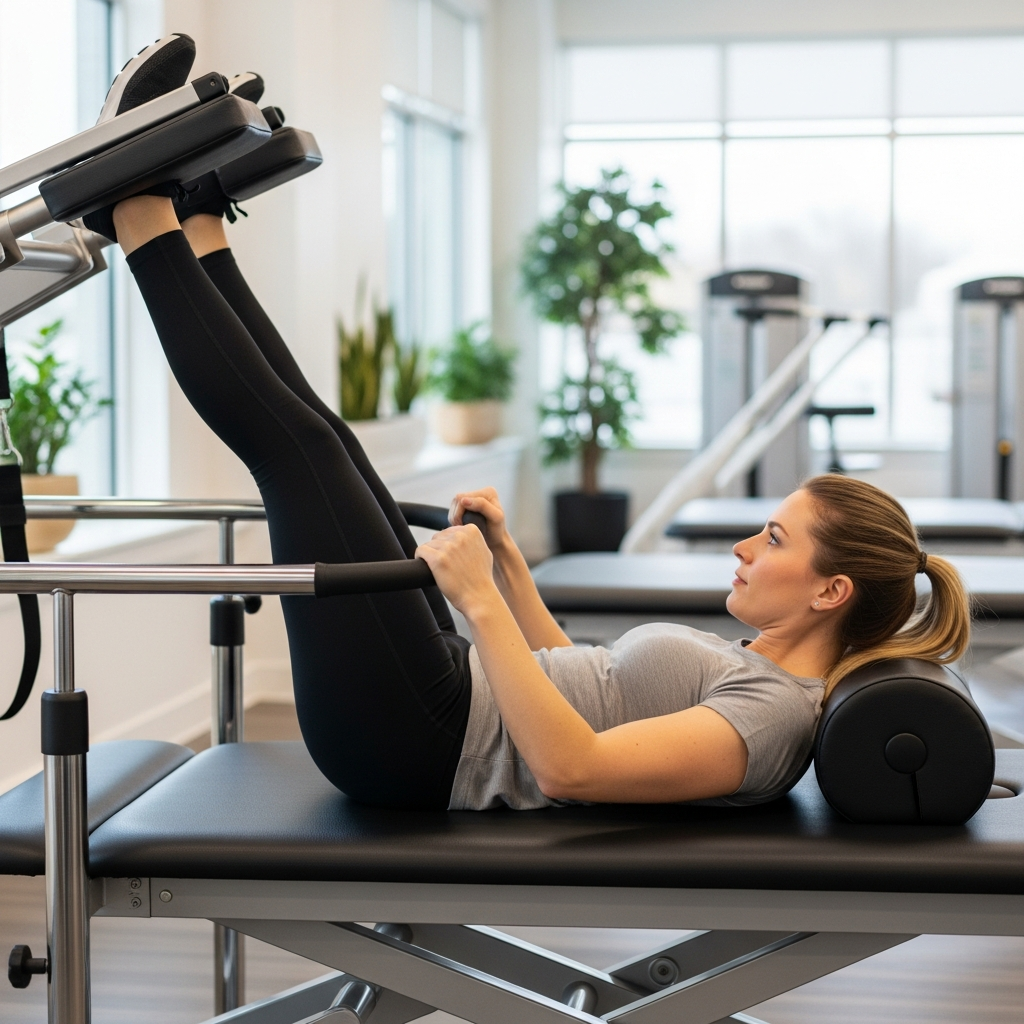
Getting the Most Out of Your Physical Therapy Sessions
Here’s something your PT probably won’t tell you upfront – showing up isn’t enough. I’ve seen too many people go through the motions for weeks, wondering why they’re not improving. The secret? Come prepared with a pain journal. Track your pain levels, what movements hurt, when you feel best during the day… your therapist can’t read your mind, and that data is gold.
Also – and this might sound weird – wear clothes you can move in, but bring a change of shirt. You’re going to sweat, and sitting in a damp shirt during the education portion isn’t doing you any favors. Oh, and eat something light about an hour before your session. Low blood sugar and rehabilitation exercises? Not a great combo.
Making Massage Therapy Actually Work for You
Most people think massage is just about relaxation, but therapeutic massage after a car accident is serious medicine. Here’s what I wish every patient knew: communicate constantly. Your massage therapist needs real-time feedback about pressure, pain levels, and what feels helpful versus what doesn’t.
Drink more water than you think you need afterward – like, annoyingly more water. Your lymphatic system is working overtime to flush out toxins that get released during deep tissue work. And don’t plan anything strenuous for the rest of the day. Your body is essentially doing internal cleanup work, and it needs energy for that.
One more thing… if you’re dealing with whiplash, ask specifically about suboccipital release techniques. These muscles at the base of your skull get incredibly tight after car accidents, and many massage therapists won’t address them unless you ask.
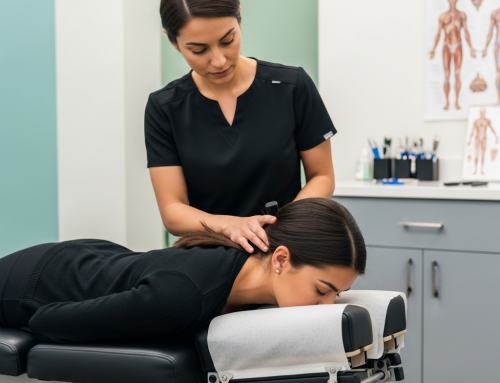
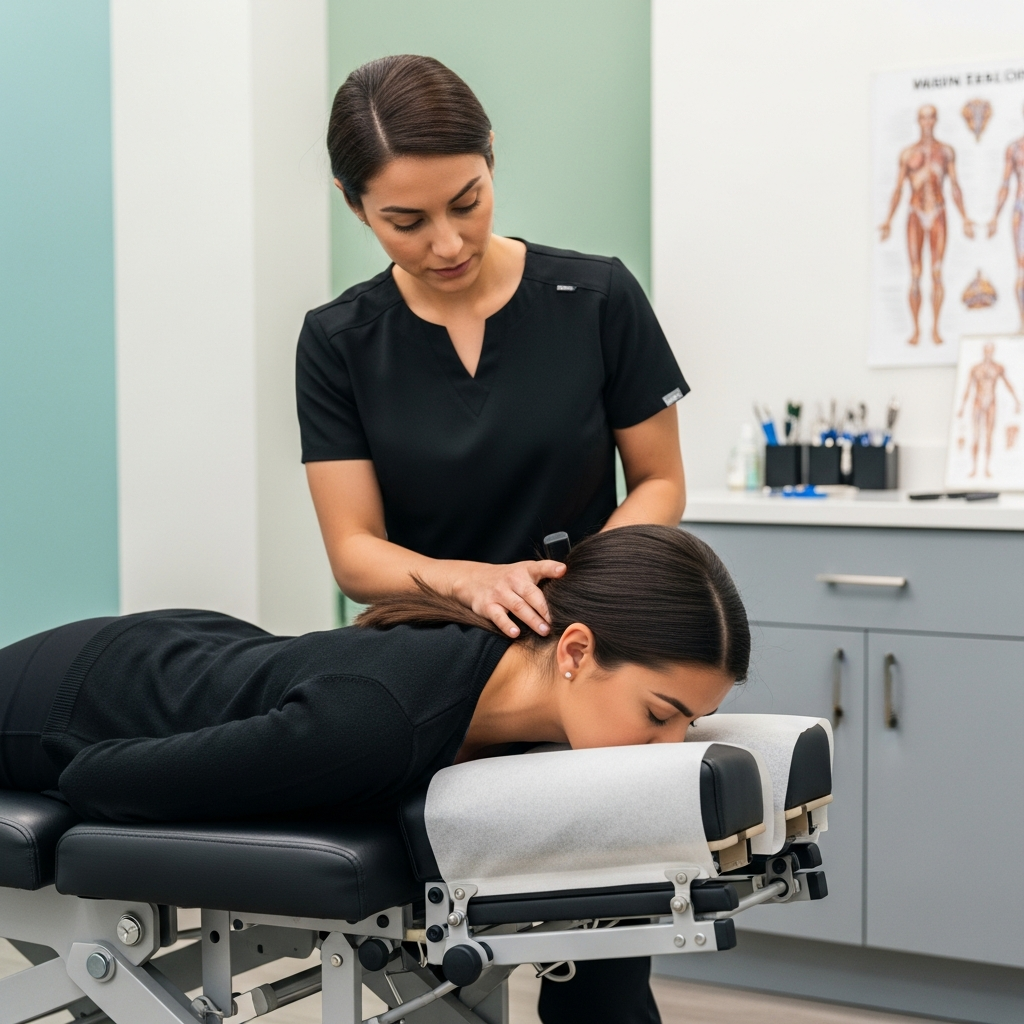
Maximizing Your Chiropractic Care
The biggest mistake I see people make with chiropractic treatment? They expect instant miracles, then get discouraged after a few sessions. Here’s the reality – your body has been compensating for injuries, sometimes for weeks before you got treatment. Those compensation patterns don’t disappear overnight.
Before each adjustment, spend five minutes walking or doing gentle movements to warm up your muscles. Cold, tight muscles don’t adjust as well, and you’ll get better results when your body is slightly warmed up. Also, schedule your appointments for times when you can go home and rest afterward if possible. I know that’s not always realistic, but afternoon appointments work better than rushing back to a desk job.
Acupuncture Success Strategies
If you’re nervous about needles – and honestly, most people are – start with ear acupuncture. It’s less intimidating and incredibly effective for pain and stress management. The needles are tiny, and your ears have tons of nerve endings that connect to the rest of your body.
Timing matters more than you might think. Don’t come to acupuncture sessions completely stressed out from traffic or work drama. Arrive ten minutes early, sit in your car, and just breathe. The calmer your nervous system is when you start, the better your body responds to treatment.
Home Exercise Programs That Actually Get Done
Let’s be honest – most home exercise sheets end up buried under mail or forgotten in gym bags. Here’s how to make them stick: pick ONE exercise to start with. Not five, not ten. One. Master it completely before adding another.
Set a phone alarm for the same time every day. Not a reminder, an actual alarm. And pick a time that makes sense for your life – not some aspirational 6 AM routine if you’re not a morning person.
Also, modify everything for your actual living space. If the exercise requires lying on the floor but you’ve got carpets that smell like three generations of pets… find an alternative. Your couch, your bed, even standing versions usually exist.
Pain Management Techniques for Real Life
Ice versus heat – everyone gets confused about this. Here’s the simple rule: if it’s swollen, red, or happened in the last 48 hours, use ice. Everything else? Heat usually wins. But honestly, trust your body. If something feels good and helps with pain, it’s probably right for you.
For breakthrough pain episodes, try the 4-7-8 breathing technique. Breathe in for 4 counts, hold for 7, exhale for 8. Repeat three times. It activates your parasympathetic nervous system and can dial down pain signals faster than you’d expect.
Keep a small arsenal of comfort tools in your car and at work – a tennis ball for trigger points, instant heat packs, whatever helps. Car accident recovery isn’t just about formal treatment sessions… it’s about managing symptoms throughout your regular life.
When Your Body Fights Back Against Recovery
Here’s the thing nobody tells you about car accident rehabilitation – your body’s going to throw some curveballs. One day you’re feeling great, crushing your physical therapy exercises… then boom. You wake up the next morning feeling like you got hit by that same car all over again.
This isn’t your imagination, and it’s not a sign you’re doing something wrong. Recovery is messy. Your nervous system is still on high alert, your muscles are learning new movement patterns, and honestly? Sometimes inflammation just decides to have a party without inviting you.
The solution isn’t to push through everything (though your inner tough guy might disagree). It’s about learning to read your body’s signals. Keep a simple pain journal – not anything fancy, just quick notes about how you feel each morning and evening. You’ll start noticing patterns. Maybe rainy weather makes your neck ache more. Maybe you feel worse after sitting at your desk for hours. These insights become your roadmap for managing flare-ups before they derail your progress.
The Insurance Maze That Makes Your Head Spin
Let’s be real about insurance coverage for rehab – it’s like trying to solve a puzzle where half the pieces are missing and the other half keep changing shape. Your adjuster says you need pre-authorization for that MRI. Your doctor’s office says they submitted the paperwork three weeks ago. Meanwhile, you’re sitting there in pain, wondering if you should just pay out of pocket or wait it out.
Here’s what actually helps: Get everything in writing. Every phone call, every approval, every denial. I know it sounds tedious, but trust me – that paper trail becomes your lifeline when claims get disputed. And they will get disputed, because… well, because that’s what insurance companies do.
Also, don’t assume your case manager knows what treatments work best for car accident injuries. They might try to push you toward the cheapest options, not necessarily the most effective ones. Your job is to advocate for the care you need. Come armed with research about why that specific type of therapy is recommended for your particular injuries.
When Progress Feels Like Watching Paint Dry
Recovery from car accident injuries isn’t linear – it’s more like a stock market chart with all those ups and downs and sideways movements that make you question everything. You might nail your exercises one week, then struggle with basic movements the next. It’s maddening, especially when you’re eager to get back to your normal life.
The progress plateau is real, and it usually hits around the 6-8 week mark. Your brain starts getting impatient because the dramatic improvements from the first few weeks have slowed down. This is actually when the real work begins – when your body starts making those deeper, more subtle changes that lead to lasting recovery.
Here’s what helps: celebrate micro-wins. Could you turn your head a few degrees further today? Did you sleep through the night without waking up in pain? These aren’t consolation prizes – they’re legitimate progress markers that your healing brain needs to acknowledge.
The Social Pressure to “Get Over It”
People mean well, they really do. But when your coworker says “You look fine to me!” or your aunt suggests you just need to think more positively… well, it’s hard not to feel like screaming into a pillow.
Invisible injuries are the worst because everyone expects you to bounce back like nothing happened. Your whiplash doesn’t show up in selfies. Your chronic headaches don’t have a visible cast for people to sign. And explaining why you can’t lift that box or why you need to leave the party early gets exhausting.
You don’t owe anyone a detailed explanation of your symptoms. A simple “I’m still recovering” is enough. Save your energy for the people who actually get it – your medical team, close family, maybe a support group of other accident survivors.
Making Rehab Fit Into Real Life
The biggest challenge? Fitting all these appointments into a life that didn’t pause when you got injured. Work deadlines don’t disappear. Kids still need rides to soccer practice. Bills don’t pay themselves.
Most successful patients find ways to batch their appointments – physical therapy right after doctor visits, or scheduling everything on the same two days each week. Some employers are more flexible than others about medical leave, but don’t assume yours won’t work with you until you ask.
And here’s a practical tip that makes a huge difference: prep your home for rehab success. Set up a designated exercise space, even if it’s just a corner of your bedroom. Keep your ice packs, resistance bands, and pain medication in one easily accessible spot. When you’re hurting, the last thing you want to do is hunt around for your heating pad.
What to Really Expect During Recovery
Let’s be honest – you’re probably wondering how long this is going to take. And that’s completely normal! I get this question constantly, and I wish I could give you a neat timeline tied up with a bow. But here’s the thing… every car accident is different, every body heals differently, and every person’s life circumstances are different.
That said, I can give you some realistic expectations that’ll help you plan – and more importantly, help you recognize that what you’re experiencing is normal.
For most people dealing with whiplash or soft tissue injuries, you’re looking at anywhere from 6-12 weeks of consistent rehab. Now, before you panic about that timeline – remember that “recovery” doesn’t mean you’ll be miserable for three months straight. It’s more like… imagine healing as climbing a mountain with lots of rest stops. Some days you’ll feel amazing (those are the good days!), others might feel like you’re sliding backward a bit.
The first 2-3 weeks are usually the most challenging. Your body is still figuring out what happened, inflammation is doing its thing, and honestly? You might feel worse before you feel better. This is where a lot of people get discouraged and think the treatment isn’t working.
But here’s what’s actually happening during those tough early weeks – your tissues are healing, your nervous system is calming down, and your brain is literally rewiring itself to move in healthier patterns. It’s incredible work happening behind the scenes, even when it doesn’t feel like it.
Signs You’re Actually Making Progress
Sometimes progress feels invisible, especially when you’re in the thick of it. But there are subtle signs that show your body is healing – you just need to know what to look for.
Maybe you’re sleeping through the night more often (even if it’s just one extra hour). Or perhaps you can turn your head to check your blind spot without that sharp catch. These small victories? They’re actually huge wins.
You might notice that your pain is changing quality – instead of that constant ache, maybe it’s more of an occasional twinge. That’s actually your nervous system settling down. Or you realize you went two hours without thinking about your neck… that’s your brain learning to trust your body again.
Keep a simple note in your phone about these little improvements. Trust me, on the rough days (and there will be some), looking back at your progress can be incredibly motivating.
Creating Your Recovery Timeline
Your rehab team will work with you to create a realistic plan, but it helps to understand the general phases. Think of it like renovating a house – you can’t put up wallpaper before you fix the foundation.
Phase 1 (Weeks 1-3): This is all about damage control. Reducing inflammation, gentle movement, protecting healing tissues. You’re not trying to win any flexibility contests here – you’re just helping your body remember how to move without fear.
Phase 2 (Weeks 4-8): Now we start rebuilding. Strengthening exercises become more important, range of motion improves, and you might start feeling more like yourself. This is often when people want to rush ahead – but patience here pays off big time.
Phase 3 (Weeks 8-12+): Fine-tuning and getting back to your normal activities. This might include sport-specific training, work conditioning, or just making sure you can carry groceries without worry.
When to Adjust Expectations
Sometimes recovery takes longer than expected, and that doesn’t mean you’re failing or that something’s wrong. Maybe you had pre-existing issues that got aggravated. Maybe your job involves a lot of computer work that’s slowing neck healing. Maybe you’re dealing with the stress of insurance claims and car repairs on top of everything else.
Life happens, and it affects healing. If your progress stalls, that’s when your rehab team might suggest additional techniques or modify your program. Sometimes what looks like a setback is actually your body asking for a different approach.
Your Role in Recovery
Here’s the part nobody really talks about – you’re not a passive participant in this process. Sure, your therapists will do amazing work during your appointments, but the real magic happens in the other 23 hours of your day.
Following through with home exercises (even when you don’t feel like it), managing stress, getting decent sleep, staying hydrated… these aren’t just nice-to-have suggestions. They’re the foundation that makes everything else work.
And remember – asking for help isn’t giving up. Whether that’s modifying work duties, asking family to help with household tasks, or just being honest with your rehab team about what’s really going on at home.
You know what? Dealing with injuries after a car accident isn’t just about the physical pain – though that’s certainly real and demanding of attention. It’s about getting your life back piece by piece, day by day. And honestly, that’s exactly why having the right rehabilitation techniques in your corner makes such a difference.
Whether you’re working through whiplash that’s been nagging you for weeks, or dealing with more complex injuries that seem to touch every part of your daily routine, these proven approaches we’ve talked about aren’t just medical procedures. They’re your pathway back to feeling like yourself again. Physical therapy helps rebuild what was damaged. Chiropractic care realigns what was thrown off course. Massage therapy… well, it reminds your body what it feels like to truly relax again.
Finding Your Way Forward
The thing about recovery is that it rarely follows a straight line. Some days you’ll feel like you’re making incredible progress – maybe you slept through the night without waking up in pain, or you finally drove to the grocery store without that anxious grip on the steering wheel. Other days? You might feel like you’re starting over. That’s completely normal, by the way. Your body is doing complex work behind the scenes, even when it doesn’t feel like it.
What matters most is having a team that understands this reality. Professionals who won’t rush you through cookie-cutter treatments, but who’ll actually listen when you say “this particular movement still hurts” or “I’m worried about how long this is taking.” Because here’s the truth – every person’s recovery unfolds differently, and the best rehabilitation happens when your treatment plan reflects your specific situation, your goals, and yes, even your fears about getting better.
You Don’t Have to Figure This Out Alone
If you’re sitting there right now, maybe still dealing with pain or limitations that are affecting your work, your family time, your sleep… you don’t have to keep pushing through on your own. Actually, trying to “tough it out” often backfires – I’ve seen too many people whose initial injuries became chronic problems simply because they waited too long to get proper help.
The rehabilitation techniques we’ve explored today are available right here in Irving, and the practitioners using them genuinely want to help you reclaim your comfort and mobility. They understand that behind every injury is a person who just wants to get back to their normal life – playing with their kids, sleeping comfortably, working without constant distraction from pain.
So if any of this resonates with you, if you’re tired of hoping the pain will just go away on its own… why not make that call? Schedule a consultation. Come in and talk about what you’re experiencing. Most importantly, start getting the care that can actually make a difference.
You’ve already been through enough. Let’s get you the support you need to truly heal – not just survive, but thrive again. You deserve to feel like yourself, and with the right help, you absolutely can get there.