7 Steps to Recovery After a Motor Vehicle Accident Injury
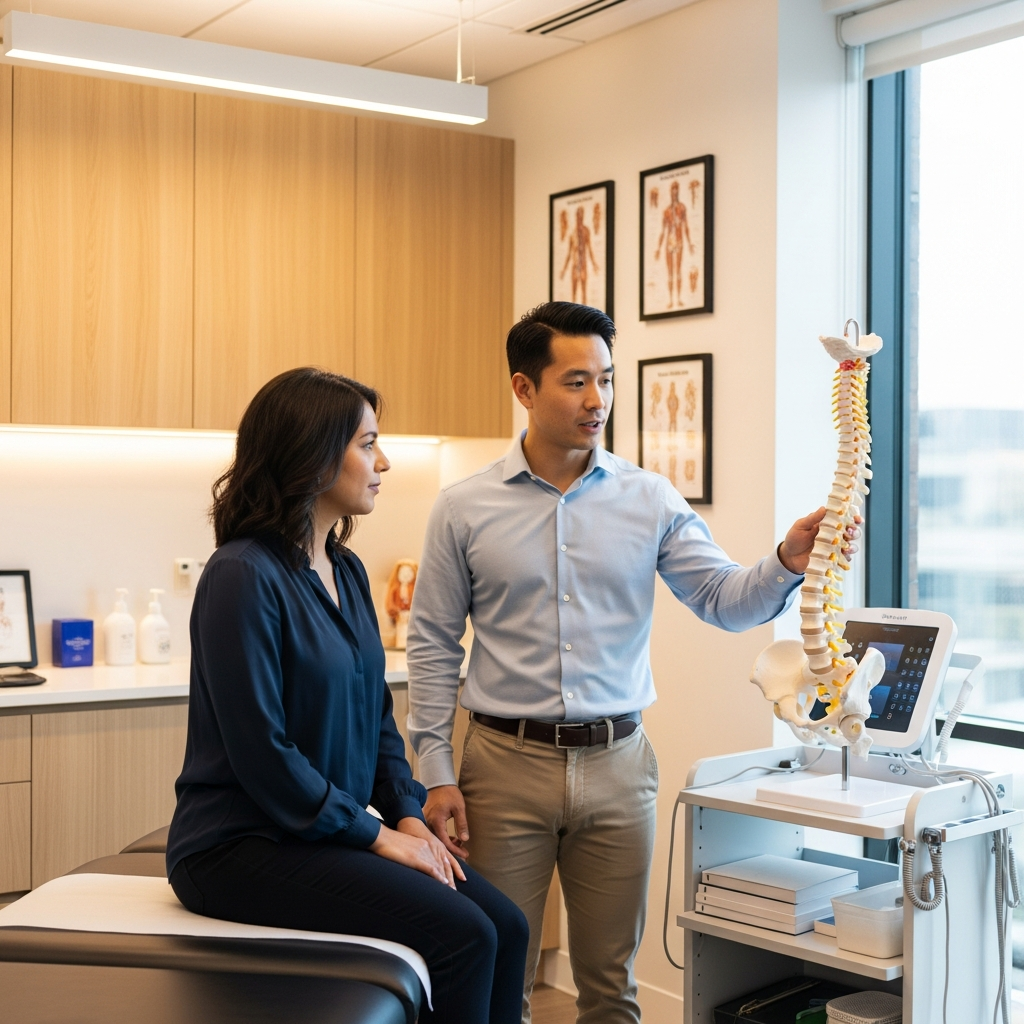
You’re sitting at a red light, maybe checking your phone for just a second, when WHAM – your whole world gets turned upside down. Literally. The next thing you know, you’re dealing with insurance adjusters, doctor appointments, and a body that just doesn’t feel quite right anymore.
Sound familiar?
If you’ve been in a car accident – whether it happened yesterday or six months ago – you’re probably discovering that recovery isn’t just about fixing your car and moving on. Your body? Well, that’s a completely different story.
Maybe your neck feels like someone replaced your vertebrae with rusty hinges. Or your back screams every time you try to get out of bed in the morning. Perhaps you’ve got this weird tingling in your arm that your doctor keeps saying will “probably get better with time.” Fun times, right?
Here’s what nobody tells you about motor vehicle accidents: the real challenge isn’t the dramatic moment of impact. It’s everything that comes after. The weeks and months of wondering if you’ll ever feel normal again. The frustration of explaining to well-meaning friends why you can’t just “shake it off.” The mounting medical bills that seem to multiply faster than your symptoms.
And let’s be honest – you’ve probably Googled your symptoms at 2 AM, spiraling down a rabbit hole of worst-case scenarios. (We’ve all been there… don’t worry, Dr. Google isn’t always right.)
Why Your Body Needs More Than Time
You know that old saying, “time heals all wounds”? Yeah, well, whoever came up with that clearly never dealt with whiplash or a herniated disc. Your body is incredibly smart – it can heal from a lot of things. But sometimes, especially after the jarring forces of a car accident, it needs a little help getting back on track.
Think of it like this: if your house got hit by a tornado, you wouldn’t just wait for it to fix itself, would you? You’d assess the damage, make a plan, and start rebuilding – piece by piece, room by room. Your body deserves the same thoughtful approach.
The thing is, motor vehicle accident injuries are sneaky. That adrenaline rush from the crash can mask pain for hours, even days. You might walk away thinking you’re fine, only to wake up the next morning feeling like you got hit by a truck. (Which, technically, you kind of did.)
What Makes This Different
Look, you’ve probably already been to your doctor. Maybe they gave you some pain medication and told you to “take it easy.” And hey, that’s not bad advice… but it’s often not enough.
Recovery from a car accident isn’t just about managing pain – though trust me, we’ll definitely talk about that. It’s about understanding what actually happened to your body during those terrifying few seconds, and then systematically addressing each piece of the puzzle.
We’re talking about everything from the obvious stuff – like that persistent headache or stiff neck – to the things you might not have connected to the accident yet. Sleep problems, anyone? Difficulty concentrating? That general feeling that your body just isn’t cooperating with you anymore?
Here’s What You’re Going to Learn
Over the next few minutes, we’re going to walk through seven specific steps that can transform your recovery. Not generic advice you could find in any health magazine, but real, practical strategies that address the unique challenges of motor vehicle accident injuries.
We’ll start with the immediate priorities – the things you need to do right now to set yourself up for success. Then we’ll dig into the longer-term strategies that’ll help you not just get back to where you were, but maybe even come out stronger on the other side.
You’ll learn why that “wait and see” approach your first doctor suggested might actually be working against you. We’ll talk about building your recovery team (spoiler alert: it’s bigger than just your primary care doctor). And yes, we’ll address the elephant in the room – how to navigate this whole process when you’re dealing with insurance companies and legal stuff too.
Most importantly? You’re going to understand that feeling frustrated with your recovery doesn’t mean you’re weak or impatient. It means you’re human, and you deserve a plan that actually works.
Your Body’s Immediate Response to Trauma
When your car gets hit – even in what seems like a minor fender bender – your body doesn’t just absorb the impact and move on. Think of it like a snow globe that’s been violently shaken. Everything inside is suddenly… displaced. Your muscles tense up instantly (we’re talking milliseconds here), your neck whips around in ways it was never meant to move, and your nervous system basically hits the panic button.
Here’s what’s actually happening in those split seconds: your brain is desperately trying to protect you by flooding your system with adrenaline and other stress hormones. It’s like your internal alarm system going haywire – which is exactly what you want in a life-threatening situation, but it also means you might not feel pain right away. Some people walk away from accidents feeling fine, only to wake up the next morning feeling like they’ve been hit by… well, a car.
The Hidden Nature of Soft Tissue Injuries
This is where things get tricky – and honestly, a bit frustrating for anyone who’s been through it. Unlike a broken bone that shows up clearly on an X-ray, soft tissue injuries are sneaky. Your ligaments, tendons, and muscles can be stretched, torn, or inflamed in ways that don’t photograph well but hurt like hell.
I’ve seen people come into our clinic weeks after an accident, almost apologizing for still being in pain. “But the X-rays looked normal,” they’ll say, as if their discomfort isn’t real. Here’s the thing – normal X-rays don’t mean normal function. Your neck might look fine on film, but if the muscles supporting it are in spasm or the ligaments are inflamed… you’re going to feel it.
Whiplash is probably the most common example. During impact, your head becomes this heavy bowling ball on top of your spine, and it gets whipped back and forth faster than your neck muscles can compensate. The result? Microscopic tears in muscle fibers, stretched ligaments, and sometimes nerve irritation that can persist for months if not properly addressed.
Why Pain Shows Up Later (The 48-72 Hour Rule)
You know how you don’t feel sore after a really intense workout until the next day? Same principle applies here, except amplified. The initial adrenaline rush masks a lot of the immediate pain signals. Plus, inflammation – which is your body’s natural healing response – takes time to really get going.
Most medical professionals talk about this 48-72 hour window when symptoms typically peak. Your body is basically playing catch-up, realizing what happened and responding accordingly. This delayed response can be really confusing… and honestly, it makes some people question whether their pain is “real” or if they’re somehow making it worse by thinking about it.
Trust me on this – if you’re hurting, you’re hurting. Your body doesn’t lie about these things.
The Ripple Effect Throughout Your Body
Here’s something that might surprise you: an injury from a car accident rarely stays put in one spot. Your body is this incredible interconnected system – like a complex spider web where tugging on one strand affects everything else.
Say you injure your neck. Well, now those neck muscles are tight and not working properly, so your shoulders compensate. Then your mid-back starts working overtime to pick up the slack. Before you know it, you’ve got this chain reaction of compensation patterns that can affect everything from your posture to how you sleep.
I’ve had patients come in with lower back pain that we eventually traced back to a neck injury from months earlier. The body is remarkably good at adapting… sometimes too good. It’ll find ways to work around injured areas, but those workarounds often create new problems down the line.
The Psychological Component Nobody Talks About
Let’s be honest about something that doesn’t get discussed enough – car accidents are traumatic. I don’t just mean physically. Even a relatively minor collision can leave you feeling anxious about driving, hypervigilant about other cars, or just generally shaken up.
This psychological stress can actually amplify physical pain and slow down healing. It’s not that the pain is “all in your head” – it’s that your head and your body are more connected than we often realize. Stress hormones can increase inflammation, disrupt sleep, and make your nervous system more sensitive to pain signals.
Sometimes people feel guilty about this psychological component, like they should just “get over it.” But here’s the thing – your body doesn’t differentiate between physical and emotional trauma. It all gets processed through the same systems, and it all affects your recovery.
Document Everything (Yes, Even the Weird Stuff)
Here’s something most people don’t realize – that nagging headache three days after your accident? Document it. The fact that you can’t concentrate at work? Write it down. I’ve seen too many clients wish they’d kept better records when their symptoms got worse months later.
Start a simple daily log on your phone. Nothing fancy – just note how you’re feeling, what hurts, what you can’t do that you normally could. Trust me, six months from now when you’re sitting across from an insurance adjuster, you’ll be grateful for these details. Your brain might be foggy right now (totally normal after an accident, by the way), but your phone remembers everything.
Take photos of your injuries – even if they seem minor. That small bruise on your shoulder? It might be connected to the chronic pain you develop later. And don’t forget about your car… actually, photograph everything at the scene if you’re able to.
Build Your Medical Dream Team
This isn’t about finding the fanciest doctors in town – it’s about finding the right ones for YOU. Start with your primary care physician, but don’t stop there. If you’re dealing with back pain, you might need a combination of orthopedic care, physical therapy, and maybe even massage therapy.
Here’s an insider tip: ask each provider who else they recommend. Good medical professionals know other good medical professionals. It’s like a professional friendship network, and you want to tap into it.
Don’t be afraid to speak up during appointments. That doctor who rushes through your visit and dismisses your concerns? Find someone else. You’re not being dramatic – you’re being smart. Your recovery depends on having providers who actually listen to what you’re experiencing.
Master the Insurance Game (Without Losing Your Sanity)
Dealing with insurance companies after an accident feels like speaking a foreign language while juggling flaming torches. But here’s the thing – they’re hoping you’ll get frustrated and give up. Don’t give them that satisfaction.
Keep copies of EVERYTHING. Every email, every phone call summary, every form they send you. Create a dedicated folder (physical or digital) just for accident-related paperwork. When they ask for the same document for the third time, you’ll have it ready.
Get claim numbers for everything and use them religiously. It’s like a secret password that gets you to the right person faster. And here’s a pro tip: always ask for the name of the person you’re speaking with and jot down the date and time of your call.
If you’re feeling overwhelmed by the insurance maze, consider hiring someone who speaks their language fluently – whether that’s a personal injury attorney or a public adjuster, depending on your situation.
Create Your Recovery Environment
Your home should become your healing sanctuary, not a source of additional stress. Look around – are there things that could make your daily life easier while you recover?
Maybe it’s moving your bedroom to the first floor if stairs are brutal right now. Or setting up a little station with ice packs, heating pads, and medications so you’re not hunting for relief when pain strikes. Small adjustments can make a huge difference.
Don’t underestimate the power of comfort items either. That soft blanket, your favorite tea, a good book series – these aren’t luxuries during recovery, they’re necessities. Your nervous system has been through trauma, and it needs all the comfort it can get.
Stay Connected (But Set Boundaries)
Here’s something nobody warns you about – some people in your life won’t understand why you’re not “back to normal” yet. They might minimize your experience or push you to do things you’re not ready for.
It’s okay to set boundaries. “I’m still recovering and can’t do that right now” is a complete sentence. You don’t owe anyone a detailed explanation of your limitations.
On the flip side, lean on the people who do get it. Whether that’s family, friends, or a support group for accident survivors, don’t try to go through this alone. Sometimes just talking to someone who says “Yeah, that makes total sense” can be incredibly healing.
Remember – recovery isn’t a straight line. Some days will be better than others, and that’s completely normal. Be patient with yourself, stay organized with your documentation, and don’t hesitate to advocate for what you need. You’ve got this.
When Your Body Betrays Your Plans
You know that feeling when you’re finally ready to tackle physical therapy… but your back decides to throw a tantrum the moment you try to get dressed? Yeah, that’s not in any recovery handbook, but it’s absolutely real.
The thing is, recovery isn’t linear. You’ll have days when you feel like you’re getting somewhere – maybe you walked to the mailbox without wincing, or you slept through the night for the first time in weeks. Then boom. You wake up feeling like you got hit by that car all over again.
Here’s what actually helps: tracking the good moments, even the tiny ones. Not for some wellness guru Instagram post, but because your brain needs proof that progress is happening. Keep a simple note in your phone. “Turned my head to check blind spot without sharp pain.” Small stuff counts.
Also? Stop comparing today’s you to last month’s you. That person didn’t have whiplash and a bruised ego. Give yourself the same patience you’d give your best friend going through this mess.
The Insurance Company Runaround (And Your Sanity)
Let’s be honest – dealing with insurance feels like speaking a foreign language while someone plays death metal in your ears. They’ll ask for the same form seventeen times, deny coverage for treatments your doctor specifically recommended, and somehow make you feel like you’re asking for a kidney when you just want your MRI covered.
The solution isn’t pretty, but it works: become absolutely obsessive about documentation. Every phone call, every email, every claim number – write it down with dates and names. I’m talking spreadsheet-level organization here, which probably sounds awful when you can barely remember if you took your pain meds this morning.
But here’s the thing – that paperwork trail becomes your weapon. When they say “we have no record of that conversation,” you’ve got receipts. When they deny something they previously approved, you’ve got proof. It’s tedious as hell, but it saves your sanity (and your wallet) in the long run.
Consider hiring a personal injury attorney if your case is complex. Yes, it feels like another thing on your plate, but a good lawyer handles the insurance circus so you can focus on actually getting better.
When Pain Becomes Your Unwelcome Roommate
Chronic pain after an accident is like having the world’s worst houseguest who never leaves and eats all your food. It changes everything – how you sleep, work, interact with people, even how you think about the future.
The medical establishment often treats pain like a math problem. Rate it one to ten. Take this pill. Do these exercises. But pain isn’t just physical – it’s emotional, mental, exhausting in ways that don’t show up on X-rays.
What actually helps? Building a toolkit that goes beyond medication. I’m not talking about toxic positivity or pretending meditation cures everything. I mean practical stuff: heat therapy for muscle tension, gentle movement on good days, establishing sleep routines that work around your limitations.
And please – find someone to talk to who actually gets it. Whether that’s a counselor, support group, or even online communities. Pain is isolating enough without trying to tough it out alone.
The Hidden Emotional Aftermath
Nobody warns you about the weird guilt that shows up. Guilt for missing work, for needing help with grocery bags, for not being your usual self with your family. Or the anger – sometimes at the other driver, sometimes at your own body for not healing fast enough.
Then there’s the anxiety about driving again. Maybe you find yourself gripping the steering wheel like it’s going to save your life, or scanning every intersection like a hawk. That’s not weakness – that’s your nervous system trying to protect you from another trauma.
The solution isn’t to push through these feelings or minimize them. It’s to acknowledge that recovering from an accident means healing both your body and your sense of safety in the world. That takes time, and it’s completely normal to need professional help sorting through it.
Getting Your Life Back (Spoiler: It Might Look Different)
Here’s the truth nobody wants to say out loud: you might not go back to exactly who you were before. And weirdly… that’s not necessarily a bad thing. Maybe you’ll be more careful about saying yes to everything. Maybe you’ll finally prioritize that physical therapy you kept postponing.
Recovery isn’t about returning to your old life – it’s about building a new one that works with where you are now.
What Recovery Actually Looks Like (And It’s Not Linear)
Here’s what no one tells you about recovering from a car accident – it’s messy. One day you’re feeling pretty good, thinking you’ve turned a corner, and then… boom. You wake up stiffer than a frozen fish stick. That’s completely normal, by the way.
Recovery isn’t this neat little upward line on a graph. It’s more like a toddler’s drawing – lots of zigzags, some backward steps, and the occasional scribble that makes no sense at all. Your body is literally rebuilding itself at the cellular level, and that takes time. More time than you probably want it to take.
Most people start feeling noticeably better around the 6-8 week mark, but – and this is important – “better” doesn’t mean “back to your old self.” Think of it more like… you know when your phone battery is at 60%? It works, but it’s not quite ready for a marathon Netflix session yet.
The First Few Weeks: Patience is Your Superpower
Those initial weeks can feel like watching paint dry in slow motion. Your body is doing the heavy lifting of healing, which means it’s using most of its energy for that rather than, say, helping you feel like a functional human being.
You might notice your sleep is all over the place – either you’re exhausted all the time or lying awake at 3 AM wondering if that weird ache in your shoulder is normal (it probably is). Your appetite might be wonky too. Some days you’ll want to eat everything in sight, other days the thought of food is about as appealing as doing taxes.
Here’s something that caught me off guard when I was dealing with my own injury recovery – the emotional stuff hits harder than you expect. One minute you’re fine, the next you’re tearing up at a commercial for breakfast cereal. Your brain is processing trauma while your body is healing, and that’s… a lot.
Month 2-3: The Frustrating Middle Ground
This is where things get tricky. You’re feeling better than those first awful weeks, but you’re still not yourself. It’s like being stuck in traffic – you can see where you want to go, but you’re not moving as fast as you’d like.
This is when a lot of people make the mistake of pushing too hard too fast. I get it – you want your life back. But your tissues are still remodeling (fancy medical speak for “still healing”), and overdoing it now can actually set you back.
Think of your healing process like renovating a house. Sure, the foundation might be solid by now, but you wouldn’t hang a chandelier before the ceiling is properly reinforced, right?
Months 3-6: Finding Your New Normal
Here’s where recovery gets interesting. You start realizing that maybe this isn’t about getting back to exactly who you were before – maybe it’s about becoming someone even better. Someone who actually listens to their body, who doesn’t ignore pain signals, who’s learned the art of saying “no” to things that don’t serve them.
Most of our patients hit a real turning point somewhere in this timeframe. Not everyone – some take longer, some (lucky ducks) get there sooner. But this is often when people start feeling like themselves again, just… upgraded.
When to Expect More Help (And When to Celebrate Small Wins)
You should definitely loop in your healthcare team if your pain is getting worse instead of better, if you’re developing new symptoms, or if your mental health is taking a nosedive. Actually, that reminds me – don’t tough it out if you’re struggling emotionally. Car accidents can mess with your head in ways that sneak up on you.
But also? Celebrate the small stuff. The first day you wake up without immediately thinking about your pain. The first time you laugh – really laugh – without it hurting. The day you realize you drove somewhere without white-knuckling the steering wheel.
Recovery isn’t just about your body getting better. It’s about rebuilding your confidence, your sense of safety in the world, your trust in your own resilience. And that… that’s actually pretty amazing when you think about it.
Your future self is going to thank you for the patience you show yourself now.
You’re Stronger Than You Know
Recovery after a car accident isn’t just about healing your body – though that’s obviously huge. It’s about reclaiming your confidence, your routine, your sense of normal. And honestly? That can feel overwhelming some days.
But here’s what I’ve learned from working with countless people who’ve walked this path: you’re more resilient than you think. Your body wants to heal. Your mind wants to find its equilibrium again. Sometimes it just needs the right support and – let’s be honest – a little patience with yourself.
The steps we’ve talked about aren’t a magic formula that works overnight. Think of them more like… well, like learning to drive again after that first scary experience behind the wheel. You start slow, you practice the basics, and gradually you build back that confidence. Some days will feel like huge victories. Others might feel like you’re barely treading water. Both are completely normal.
What matters most is that you’re not trying to figure this out alone. Whether it’s your medical team helping you understand what your body needs, a counselor helping you process the emotional stuff (and there’s always emotional stuff), or even just friends who check in regularly – that support network isn’t optional. It’s essential.
Your recovery timeline is yours alone. Don’t let anyone – including that voice in your head – tell you you should be “over it” by now or moving faster than you are. Some people bounce back in weeks; others need months or even longer. Neither is wrong. Your body and mind will heal at their own pace, and your job is to support that process, not rush it.
Actually, that reminds me of something important: celebrating the small wins along the way. Maybe it’s sleeping through the night without pain waking you up. Or driving to the grocery store without your heart racing. Or simply having a day where you don’t think about the accident every hour. These aren’t just nice moments – they’re proof that you’re healing.
Ready to Take the Next Step?
If you’re reading this and thinking, “Okay, but where do I even start?” – that feeling is so valid. Sometimes the hardest part is just… beginning.
That’s exactly why we’re here. Our team understands that recovery after an accident touches every part of your life – your physical health, your mental well-being, your daily routines, even your relationships. We don’t just look at symptoms; we look at you as a whole person trying to get back to feeling like yourself again.
You don’t need to have all the answers before you reach out. You don’t need to be “ready” or have your thoughts perfectly organized. Sometimes the best first step is just saying, “I need help figuring this out.”
Give us a call when you’re ready – whether that’s today or next month. We’ll listen to your story, help you understand your options, and work together to create a plan that actually makes sense for your life. Because you deserve to feel strong and confident and pain-free again. And we’d love to help you get there.