How Personal Injury Physicians Support Recovery
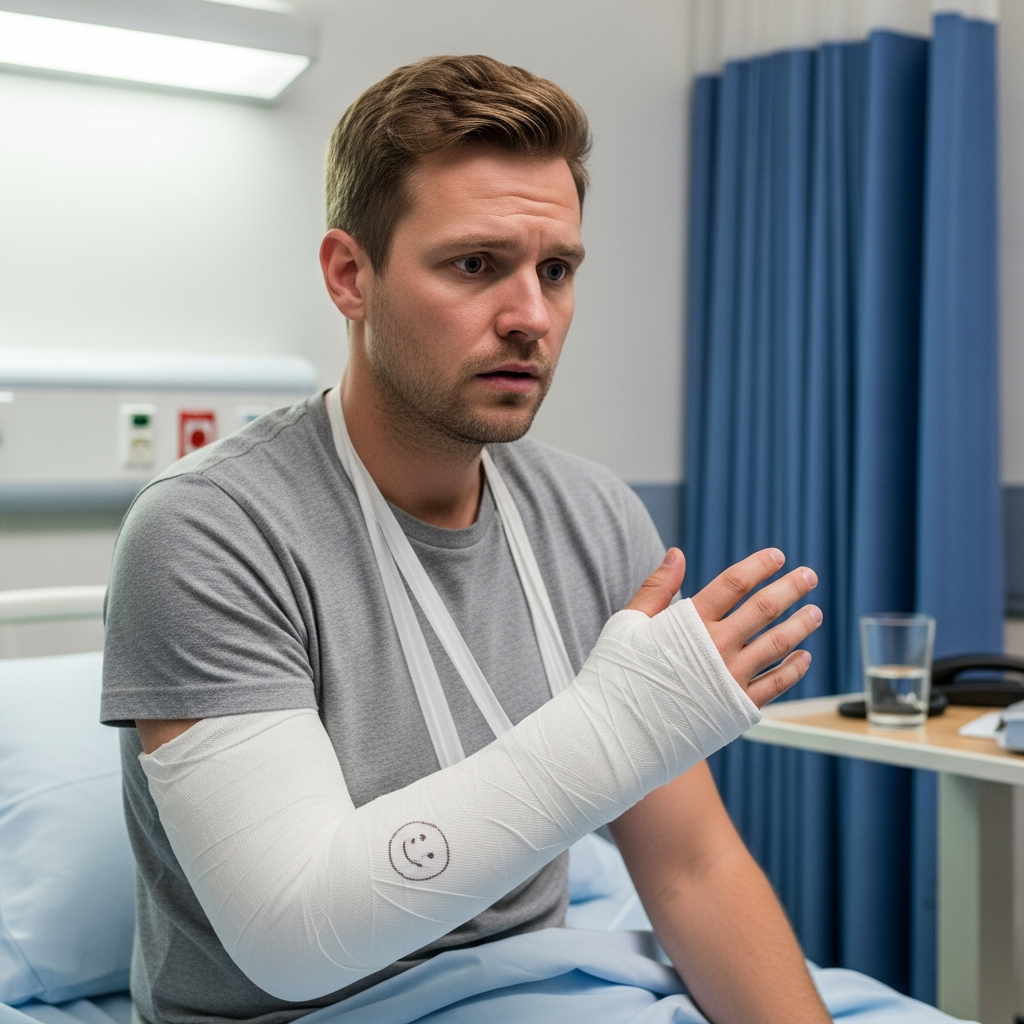
You’re driving to work on a Tuesday morning, same route you’ve taken a thousand times before, when some guy runs a red light and slams into your passenger side. The airbags deploy, your coffee goes flying, and suddenly you’re sitting in an intersection wondering what the hell just happened.
Fast forward three weeks. The insurance paperwork is drowning your kitchen table, your neck feels like someone’s been using it as a wishbone, and you’re popping ibuprofen like Tic Tacs. Your regular doctor squeezed you in for ten minutes, prescribed some muscle relaxers, and basically told you to “take it easy.” But here’s the thing – you don’t feel like you’re getting better. Actually, you feel… stuck.
Sound familiar? Maybe your story involves a slip on an icy sidewalk, or that time you tweaked your back moving furniture (why did you think you could lift that dresser alone?). The details don’t really matter. What matters is that crushing feeling when you realize the medical system you thought would catch you is… well, let’s just say it’s not exactly built for situations like yours.
This is where most people make a critical mistake. They assume any doctor can handle injury recovery – that a sprained wrist is a sprained wrist, whether it happened playing tennis or getting rear-ended. But here’s what I’ve learned after years of working with people who’ve been exactly where you are: not all injuries are created equal, and definitely not all doctors understand the unique challenges that come with personal injuries.
Personal injury physicians? They’re playing an entirely different game.
Think about it this way – if you needed heart surgery, you wouldn’t go to a podiatrist, right? These doctors have spent years understanding not just how bodies heal from trauma, but how to navigate the maze of insurance companies, legal documentation, and frankly, the emotional rollercoaster that comes with someone else turning your life upside down.
I remember talking to Sarah (name changed, but the story’s real) who spent six months ping-ponging between specialists after her car accident. Her orthopedist focused on her broken wrist. The neurologist looked at her headaches. Her primary care doctor managed her prescriptions. But nobody – and I mean nobody – was looking at Sarah as a whole person trying to piece her life back together. She felt like a medical ping-pong ball, bouncing from appointment to appointment with no one really… seeing her.
That’s when she found a personal injury physician who changed everything.
Here’s what’s interesting (and what most people don’t realize): personal injury medicine isn’t just about treating your immediate injuries. Sure, they’ll absolutely handle your whiplash or torn rotator cuff – but they understand that your body is one interconnected system. They know that trauma doesn’t just affect the part that got hurt… it affects how you sleep, how you work, how you move through the world.
And let’s talk about something nobody warns you about – the paperwork tsunami that follows any personal injury. Regular doctors often treat medical records like an afterthought. Personal injury physicians? They document everything with the precision of a Swiss watchmaker, because they understand that proper documentation isn’t just good medicine… it’s your lifeline when it comes to insurance claims and potential legal proceedings.
But maybe the most important thing they bring to the table is something you can’t put in a medical chart: they actually get it. They’ve seen how a “minor” fender-bender can derail someone’s entire year. They understand that healing isn’t just about getting your range of motion back – it’s about getting your confidence back, your sleep back, your normal life back.
In the next few thousand words, we’re going to walk through exactly how these specialized physicians approach recovery differently. You’ll discover why timing matters so much more than you think, how they coordinate care in ways that’ll make your head spin (in a good way), and what questions you should be asking to find the right fit for your situation.
Because here’s the truth nobody tells you: the doctor you choose in those crucial first weeks after an injury can be the difference between bouncing back stronger… or dealing with lingering issues for years to come.
What Actually Happens When Your Body Gets Hurt
Think of your body like a finely tuned orchestra. When everything’s working right, all the instruments play in harmony – your muscles, bones, nerves, and soft tissues creating this beautiful symphony of movement. But when you get injured? It’s like someone just threw a wrench into the violin section.
The thing is, our bodies are surprisingly good at compensating. You hurt your right shoulder, so you start favoring your left side. Your back’s acting up, so you change how you walk. Before you know it, you’ve got this whole cascade of issues that weren’t there before. It’s kind of like when one domino falls and takes out half the set.
The Hidden Complexity of “Simple” Injuries
Here’s where it gets interesting – and honestly, a bit frustrating if you’re the one dealing with the pain. What looks like a straightforward injury on the surface often has layers upon layers of complexity underneath.
Take whiplash, for example. You’d think it’s just your neck getting jerked around in a car accident, right? But that sudden motion affects your cervical spine, your shoulder muscles, sometimes even triggers headaches or dizziness. Your brain might start guarding against certain movements, which creates tension in completely different areas. It’s like your body develops its own little protection program… except sometimes that program goes a bit overboard and starts protecting you from movements you actually need to heal.
And don’t even get me started on how chronic pain works. Actually, let me get started on it – because this stuff matters. When pain sticks around longer than it should (we’re talking months, not days), your nervous system basically gets stuck in alarm mode. It’s like having a car alarm that won’t turn off, even though the danger has passed.
Why Your Body’s Repair System Needs a Coach
Your body wants to heal – that’s not the problem. The problem is that sometimes it needs a little guidance on *how* to heal properly. Think about it like this: if you broke your leg and just left it alone, the bone would probably grow back together… but it might grow back crooked, or weak, or in a way that causes problems down the road.
This is where personal injury physicians come in, though they’re not always called that. You might see them listed as physiatrists, pain management specialists, or rehabilitation doctors. The name doesn’t matter as much as what they do – they’re basically the conductors trying to get your body’s orchestra back in tune.
The Domino Effect Goes Both Ways
Here’s something that’s both frustrating and hopeful: just like injuries can create a cascade of problems, proper treatment can create a cascade of improvements. When you address the root cause – say, that misaligned vertebra that’s been throwing everything else off – suddenly your headaches might ease up, your sleep improves, and you’re not walking around with one shoulder hiked up to your ear.
But (and this is important) this process takes time. I know, I know… in our instant-everything world, waiting for your body to heal feels impossibly slow. Your body’s been developing these compensation patterns for weeks or months – it’s not going to unlearn them overnight.
When “Just Push Through It” Becomes Counterproductive
We’ve all heard the advice to “just push through the pain” or “walk it off.” Sometimes that works great for minor bumps and bruises. But with significant injuries? That approach can actually make things worse.
Think about trying to drive a car with a flat tire. You *could* keep going, but you’re going to damage the rim, throw off your alignment, and probably create a much bigger (and more expensive) problem. Same thing happens when you try to power through an injury that actually needs attention.
Your pain system isn’t just being dramatic – it’s trying to tell you something. The trick is learning to distinguish between the pain that means “hey, back off a bit” and the pain that means “something’s seriously wrong here.” That’s… actually harder than it sounds, which is why having someone who understands these signals can be incredibly valuable.
The bottom line? Your body is amazingly resilient, but it’s also complex. Sometimes it needs a little professional help to find its way back to that harmonious state where everything works together smoothly.
Finding the Right Personal Injury Doctor (It’s Trickier Than You Think)
Here’s what most people don’t realize – not every doctor understands personal injury cases. You’ll want someone who’s actually worked with insurance companies and lawyers before, because trust me, your family doctor who’s amazing at treating your annual cold? They might be completely lost when it comes to documenting injuries for legal purposes.
Look for physicians who specifically mention personal injury or auto accident treatment on their websites. These doctors know how to write reports that insurance adjusters can’t easily dismiss, and they understand the timeline pressures you’re facing. Actually, that reminds me – ask upfront about their experience with cases like yours. A good PI doctor won’t hesitate to share their background.
Timing Your Medical Care (The 72-Hour Rule Everyone Ignores)
I see this mistake constantly… people think they can “tough it out” for a week or two after an accident. Here’s the thing though – insurance companies love gaps in treatment. They’ll argue that if you were really hurt, you would’ve sought help immediately.
The magic window is 72 hours. Even if you feel “okay-ish,” get checked out within three days. Adrenaline is a liar – it masks pain and injury symptoms that can take days to surface. Whiplash, soft tissue damage, even some brain injuries… they’re sneaky like that.
And here’s a pro tip: if you go to the ER first (which you should if there’s any chance of serious injury), make sure to follow up with a personal injury physician within that 72-hour window. ER doctors are great at ruling out life-threatening issues, but they’re not documenting every ache and pain that might matter later.
The Documentation Game – Your Secret Weapon
This is where personal injury doctors really earn their keep. They’re not just treating you – they’re building your case, piece by piece.
Keep a daily symptom journal, but here’s what nobody tells you: be specific about how injuries affect your actual life. Don’t just write “neck hurts.” Write “couldn’t turn head to check blind spot while driving” or “had to ask my daughter to help wash my hair.” Your doctor needs these real-world details to paint the full picture.
Take photos of visible injuries every few days, even as they heal. Bruises change color, swelling goes down… you want that timeline documented. Your phone’s timestamp will be your friend here.
Working WITH Your Doctor (Not Against the Process)
Personal injury treatment often feels frustratingly slow – and that’s actually intentional. Your doctor isn’t dragging things out to rack up bills (well, the good ones aren’t). They’re following protocols that protect your case.
Be honest about your pain levels, but here’s the nuance… don’t downplay symptoms because you’re “tough” or worry you’re being dramatic. These doctors have seen it all. They can tell the difference between real pain and exaggeration. But they can’t help what they don’t know about.
Also? Show up to appointments. I know it sounds obvious, but missed appointments create gaps that insurance companies will exploit faster than you can say “pre-existing condition.”
Understanding the Treatment Timeline
Personal injury recovery isn’t linear – it’s more like a roller coaster that occasionally goes backwards. Some days you’ll feel great, others you’ll wonder if you’re getting worse. This is normal, and your PI doctor expects it.
Most treatment plans run 6-12 weeks initially, but don’t panic if you need longer. The goal is getting you to “maximum medical improvement” – basically, as good as you’re going to get with treatment. Your doctor will know when you’ve reached that point, and that’s when settlement discussions typically begin.
The Money Talk (Because Someone Has to Bring It Up)
Here’s something that catches people off guard – many personal injury physicians work on what’s called a “lien basis.” Essentially, they provide treatment now and get paid when your case settles. It sounds great (and often is), but make sure you understand the terms upfront.
Ask about fees, what happens if your case doesn’t settle, and whether you’ll owe anything out of pocket. Some doctors require payment for certain services regardless… better to know now than get surprised later.
The bottom line? A good personal injury physician is part doctor, part advocate, part strategic partner. They’re not just healing your body – they’re protecting your future. Choose wisely, follow their lead, and trust the process. Your future self will thank you.
When Your Body Feels Like a Stranger
You know that moment when you try to do something you’ve done a thousand times before – reaching for a coffee mug, bending to tie your shoes – and your body just… doesn’t cooperate? It’s jarring, honestly. Many patients tell us they feel betrayed by their own bodies after an injury.
This disconnect between what your mind expects and what your body can deliver creates more than just physical frustration. It messes with your sense of self. One day you’re running marathons (or at least chasing your kids around the yard), and the next you’re wincing when you roll over in bed.
The solution isn’t to push through the pain – that’s actually counterproductive. Instead, work with your physician to set micro-goals. Maybe this week it’s walking to the mailbox without discomfort. Next week, it’s carrying a gallon of milk. These small victories help rebuild trust between your brain and body… and they’re surprisingly satisfying when you actually achieve them.
The Insurance Maze That Makes Your Head Spin
Let’s be real – dealing with insurance after a personal injury is like trying to solve a Rubik’s cube while blindfolded. You’re already dealing with pain, doctor appointments, and maybe missed work, and now you’ve got to navigate prior authorizations, coverage limits, and claims adjusters who seem to speak in code.
Here’s what trips people up most: not understanding that your personal injury physician can be your advocate in this process. They know which treatments insurance typically covers, how to document medical necessity, and – crucially – how to communicate with insurance companies in their preferred language.
Don’t try to handle insurance communications alone. Your physician’s office likely has staff who deal with this stuff daily. Let them help you understand what’s covered, what requires pre-approval, and how to appeal denials. It’s not admitting defeat – it’s being smart about using available resources.
When Pain Becomes Your Unwelcome Roommate
Chronic pain after an injury is… well, it’s exhausting in ways people don’t expect. It’s not just the physical discomfort – though that’s certainly part of it. It’s the way pain hijacks your thoughts, affects your sleep, changes how you interact with family and friends.
What really gets to people is the unpredictability. You might have three good days, start feeling hopeful, then wake up on day four feeling like you’re back to square one. That emotional roller coaster? It’s completely normal, and frankly, anyone dealing with ongoing pain experiences it.
Your personal injury physician understands this cycle intimately. They can help you develop realistic expectations for healing timelines – which, by the way, are rarely linear. Some days you’ll feel better, some worse, and that’s part of the process, not a sign that treatment isn’t working.
The key is learning pain management strategies that go beyond just medication. This might include physical therapy techniques you can do at home, stress reduction methods, or activity modifications that let you stay engaged with life while you heal.
The Mental Game Nobody Talks About
Here’s something that catches people off guard: the psychological impact of a personal injury often lingers longer than the physical symptoms. You might find yourself anxious about activities you used to love, hypervigilant about potential re-injury, or dealing with depression because your regular routines have been disrupted.
After a car accident, for example, many patients tell us they’re nervous drivers for months afterward – even after their physical injuries have healed. Sports injuries can leave athletes afraid to fully commit to their sport again. These responses aren’t weakness; they’re your brain trying to protect you from further harm.
Personal injury physicians who really get it will address these concerns head-on. They might recommend counseling, refer you to support groups, or simply validate that what you’re experiencing is normal. Sometimes just hearing “this is a typical response to what you’ve been through” can be incredibly reassuring.
Building Your Recovery Support Network
Recovery doesn’t happen in isolation, even though it can feel pretty lonely sometimes. One of the biggest challenges is that friends and family – bless them – often don’t know how to help. They might offer advice that doesn’t fit your situation, or worse, minimize your experience because you “look fine.”
Your personal injury physician can help you identify the right support team, whether that includes physical therapists, mental health counselors, support groups, or even just connecting you with other patients who’ve been through similar experiences. Sometimes knowing you’re not the only one dealing with these challenges makes all the difference.
What to Expect in Those First Few Weeks
Let’s be honest – recovery isn’t a straight line, and anyone who tells you otherwise hasn’t been through it themselves. You’re probably wondering how long this is going to take, when you’ll feel “normal” again, and what normal even means anymore.
Most people start seeing their personal injury physician within the first week or two after an accident. Don’t worry if you’re not feeling dramatically better after that first appointment – that’s completely normal. Your doctor is gathering information, ruling out serious complications, and creating a baseline. Think of it like… well, like getting your bearings after being turned around. You need to know where you are before you can figure out where you’re going.
The first month is usually about managing the immediate symptoms – pain, inflammation, sleep disruption (because let’s face it, everything hurts worse at night). Your physician might adjust your treatment plan several times during this period. That’s not a sign that something’s wrong; it’s a sign that they’re paying attention to how your body responds.
The Reality Check You Probably Need
Here’s something most people don’t talk about: you might feel worse before you feel better. I know, I know – not exactly what you want to hear when you’re already frustrated. But when you start moving more, or begin physical therapy, or even just start sleeping better… your body sometimes protests.
Your personal injury physician has seen this pattern hundreds of times. They know the difference between “good pain” (your body healing and adapting) and concerning pain (something that needs immediate attention). That’s why those follow-up appointments matter so much – even when you feel like you’re not making progress.
Recovery timelines? They’re all over the map. Soft tissue injuries might start feeling better in 6-8 weeks, but could take months to fully resolve. Back injuries… well, they’re particularly stubborn. Some people bounce back in a few months, others need a year or more. Your physician can give you a better sense of your specific situation, but even then – and this is important – your body gets the final say.
Building Your Support Network
Your personal injury physician is just one piece of the puzzle, though they’re often the piece that helps everything else fit together. They might refer you to
– Physical therapists (who’ll probably become your temporary best friends and occasional tormentors) – Massage therapists or chiropractors – Mental health counselors (because trauma affects more than just your body) – Specialists if something specific needs attention
Don’t feel like you’re being shuffled around. Think of your physician as a conductor – they’re making sure everyone’s playing the same song. Actually, that reminds me… make sure all your providers know about each other. It sounds obvious, but you’d be surprised how often things fall through the cracks.
The Paperwork Reality (Sorry, But It Matters)
Let’s talk about something nobody enjoys but everyone needs to handle: documentation. Your personal injury physician is documenting everything – not to bore you with paperwork, but because this information matters for your treatment AND for any legal or insurance matters down the road.
Keep track of your appointments, bring a list of questions (seriously, write them down – pain and stress make you forget things), and don’t downplay your symptoms. If it hurts, say it hurts. If you’re struggling emotionally, mention it. Your physician needs the whole picture.
Moving Forward (One Day at a Time)
Recovery isn’t just about getting back to where you were – sometimes it’s about finding a new normal that works for you. Your personal injury physician understands this. They’ve seen people adapt, overcome, and often end up stronger or more aware of their bodies than before.
The relationship you build with your physician during this time often extends well beyond the acute recovery phase. They become someone who really knows your body’s story, your patterns, your challenges. That’s valuable information for your health going forward.
Be patient with yourself. Ask questions. Follow the treatment plan, but speak up if something isn’t working. Your recovery is a collaboration between you, your physician, and frankly… time. Some days will be better than others, and that’s perfectly normal too.
Finding Your Way Forward
You know what? After working with countless patients over the years, I’ve seen something remarkable happen time and time again. People walk into our clinic feeling broken – not just physically, but emotionally too. They’re carrying this weight of uncertainty… wondering if they’ll ever feel like themselves again, if the pain will ever truly go away, if anyone really understands what they’re going through.
And here’s the thing – that feeling is completely valid. When you’re dealing with an injury, especially one that wasn’t your fault, it’s like your whole world gets turned upside down. One day you’re living your normal life, and the next? Everything hurts, simple tasks feel impossible, and suddenly you’re navigating this maze of medical appointments, insurance calls, and legal complexities that nobody prepared you for.
But what I’ve learned – and what I want you to know – is that having the right medical team in your corner changes everything. Not just any doctors, mind you, but physicians who truly get what personal injury recovery looks like. They understand that your healing isn’t just about fixing what’s broken on the X-ray. It’s about restoring your confidence, your sleep, your ability to play with your kids or get back to work without wincing.
These specialists become your advocates in ways you might not expect. They document every detail of your recovery (which matters more than you’d think when it comes to insurance claims). They coordinate with other providers so you’re not repeating your story fifty times to fifty different people. They fight for the treatments you need, even when insurance companies try to cut corners. And maybe most importantly… they believe you when you say something hurts.
I’ve watched patients rediscover hope they thought they’d lost forever. The woman who couldn’t lift her coffee cup after a rear-end collision – she’s back to her morning yoga routine. The construction worker who thought his career was over after a workplace fall – he returned to the job he loves, stronger and more aware of his body than before.
Recovery isn’t always linear, and it’s rarely quick. Some days will feel harder than others, and that’s okay. What matters is that you don’t have to navigate this alone. The right medical support can make the difference between just “getting by” and truly getting your life back.
Your injury may have changed your story, but it doesn’t get to write the ending. With proper care, dedicated specialists who understand your unique situation, and yes – patience with yourself – healing is absolutely possible. Not just the kind where you can function again, but the kind where you can thrive.
If you’re struggling right now, feeling overwhelmed by everything you’re facing… please don’t wait. Reach out to healthcare providers who specialize in exactly what you’re going through. You deserve care that sees the whole picture of who you are and who you want to be again.
Your recovery matters. You matter. And with the right support team, you’re going to be amazed at just how resilient you really are.